

Published Jun 29, 2025 | 11:05 AM ⚊ Updated Jun 29, 2025 | 11:05 AM

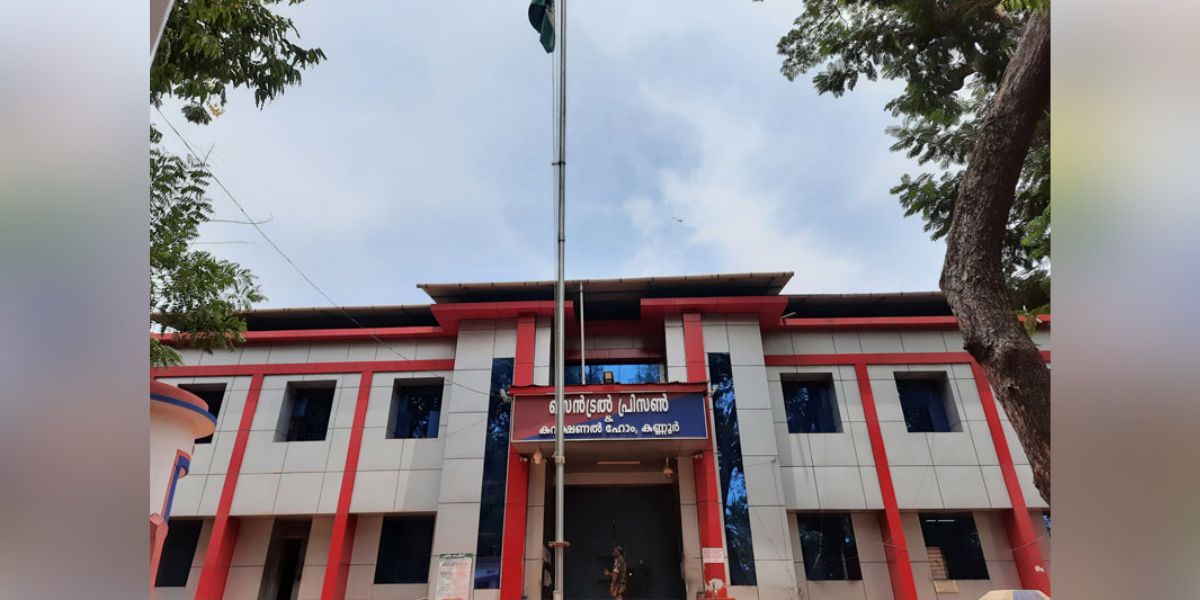
Kannur Central Jail

The Kannur Central Jail in Kerala set a remarkable example in sustainable water management, reducing its annual water bill by ₹34 lakh through the dedicated efforts of its employees’ collective, Haritha Sparsham.
According to jail superintendent K Venu, the jail, which once paid between ₹4 lakh and ₹6 lakh monthly to the Kerala Water Authority, achieved this feat by switching to efficient water usage practices and maximising the use of its 21 wells.
A detailed study on water distribution inside the prison identified areas of excess consumption, leading to a revamp of the water management system. A significant innovation was the conversion of kitchen wastewater for agricultural use.
Though a conventional sewage treatment plant was unaffordable at ₹75 lakh, the prison constructed a traditional filtering system using sand, charcoal, sugarcane waste, and metal scraps available on-site, said the jail authorities. This indigenous setup, with the help of skilled inmates, purified the water to a pH of 6.5, making it suitable for vegetable cultivation within the jail.
Strict monitoring of water use, cleaning of wells, and awareness campaigns among inmates also contributed to the savings. As a result, the total water bill dropped from ₹55.46 lakh in 2023-24 to ₹20.78 lakh in 2024-25.
The initiative is part of broader green efforts in the jail, including projects like Kaiyoppu, Nallapadam, and Haritha Karma Sena, aimed at making the prison self-sufficient, plastic-free, and environmentally responsible.



