

Published Dec 09, 2025 | 11:58 AM ⚊ Updated Dec 09, 2025 | 12:11 PM

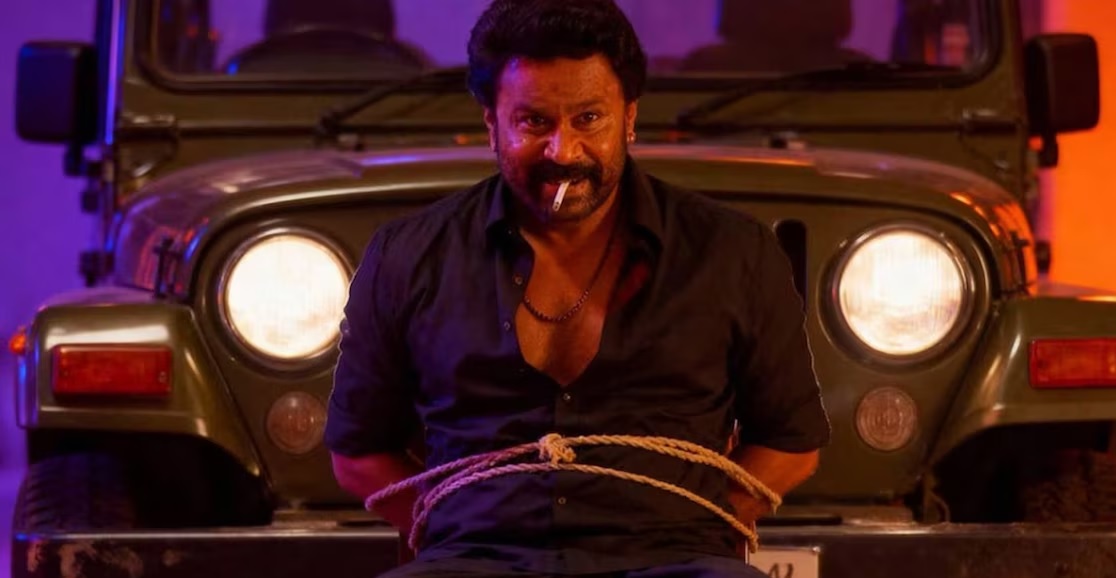
Despite the verdict, Bha Bha Ba (Bhayam, Bhakthi, Bahumanam), his ambitious Christmas comeback, is trending on screens and social media.
Synopsis: The “third-rate joke” formula that Dileep had long relied on was increasingly losing appeal, particularly among younger viewers who criticised the insensitivity in his films. His altered public image clearly impacted his box office performance. Despite this, the release of Bha Bha Ba, directed by newcomer Dhananjay Shankar, was scheduled for the Christmas market, signalling continued confidence in Dileep’s drawing power.
Actor Dileep has been cleared of charges in the 2017 actress abduction and sexual assault case.
Regardless of the verdict, cinema screens and social media are abuzz with heavy promotions for the film Bha Bha Ba, his ambitious comeback project aimed at the Christmas box office.
The timing of the release has fuelled speculation that the actor was confident about the verdict, with the film slated to hit screens on 18 December and its teasers drawing loud cheers in theatres.
Despite years of professional setbacks, Dileep now has a slate of projects back on track. He even travelled straight from a film set in Thodupuzha for his 152nd film to be present in court when the verdict was delivered.
Film associations that he once controlled moved quickly to welcome him back and extend public support after the verdict, making it clear that he is planning a major comeback not just on the silver screen but also behind the scenes of Mollywood.
But is this simply the return of a star or the beginning of a quiet reshaping of power and politics within the industry?
At the time of the sexual assault in February 2017, Dileep was one of the leading actors in Malayalam cinema, widely regarded as a producer’s favourite because his films reliably drew family audiences and offered substantial box office guarantees.
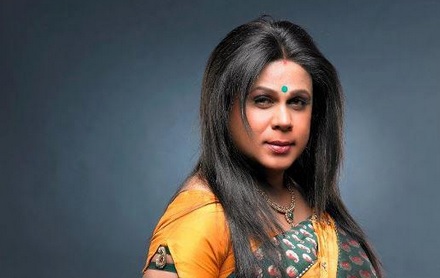
Dileep in Mayamohini
He also commanded the highest satellite TV value for a period, owing to his image as a family-friendly star.
However, as political correctness and social awareness began influencing Mollywood, Dileep’s films came under criticism. He was often accused of making jokes about rape, gender, disability and marginalised communities. It was a type of humour that had worked well with a large section of the audience but was increasingly seen as problematic.
Films such as Mayamohini, where he portrayed a woman in sexually charged comic situations, and others like Kunjikoonan, Chanthupottu and Pachakkuthira, often played jokes at the expense of people with physical challenges, gender minorities and intellectual disabilities through insensitive depictions.
By the time the case emerged, audiences were starting to feel that Dileep’s films were out of touch with contemporary sensibilities. This period also saw a wave of newcomers and fresh talent entering the industry, which shifted audience interest.
The “third-rate joke” formula that Dileep had long relied on was increasingly losing appeal, particularly among younger viewers who criticised the insensitivity in his films.
The case became a major topic of public discussion, and except for Ramaleela, which was released during this period and was a commercial success, Dileep’s subsequent projects struggled.
Films like Kammara Sambhavam, Shubharathri, Jack & Daniel, My Santa, Voice of Sathyanathan and Bandra failed to connect with audiences. Only Prince & Family and Court Samaksham Balan Vakkeel garnered limited attention.
His altered public image clearly impacted his box office performance.
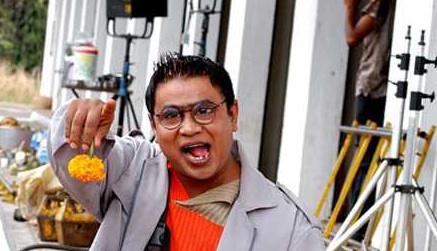
Dileep in Pachakkuthira
Despite this, the release of Bha Bha Ba, directed by newcomer Dhananjay Shankar, was scheduled for the Christmas market, signalling continued confidence in Dileep’s drawing power.
The film featured notable names such as Mohanlal in a guest role, along with younger talents and other prominent figures like Vineeth Sreenivasan, Dhyan Sreenivasan and Saranya Ponvannan.
The script and direction were handled by the young duo Fahim Safar and Noorin Ferrier, who chose Dileep for their first major project.
Dileep has also been busy with other projects and is currently shooting D152, directed by Jagan Shaji Kailas, son of veteran filmmaker Shaji Kailas.
He has lined up the films Parakkum Pappan and an untitled project with director Haneef Adeni’s QubeS Entertainments for release in 2026.
Ratheesh Raju, a young Malayalam director, expressed scepticism about the idea that Dileep’s comeback could reshape industry trends.
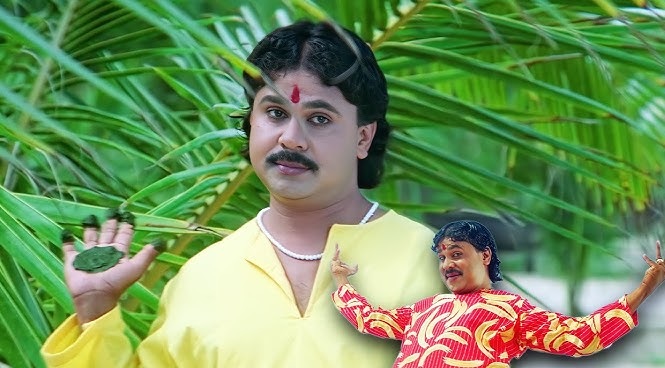
Dileep in Chanthupott
“Kerala has the highest film literacy in India. The audience has changed drastically. Women and children were once Dileep’s biggest supporters, but after the case, many began distancing themselves because of their emotional connection to Manju Warrier and the survivor,” he told South First.
“The new generation is more sensitive and politically aware. They won’t tolerate rape jokes or insensitive content just for laughs. Stars like Mammootty and Mohanlal continue to thrive because they trust strong content and are open to experimental films like Bhramayugam. Even they used to interfere in scripts, but their approach has evolved.”
Ratheesh continued: “Dileep, on the other hand, meddled with his last flop Pavi the Caretaker, changing the script and adding outdated jokes, which the director later admitted. If Dileep insists on following only his personal interests, he won’t succeed. But if he adapts to new trends, he could find success again.”
Producers and distributors were once heavily influenced by him, but now there is no centralised power. Everyone has equal chances, and the era of one star controlling industry politics is over.
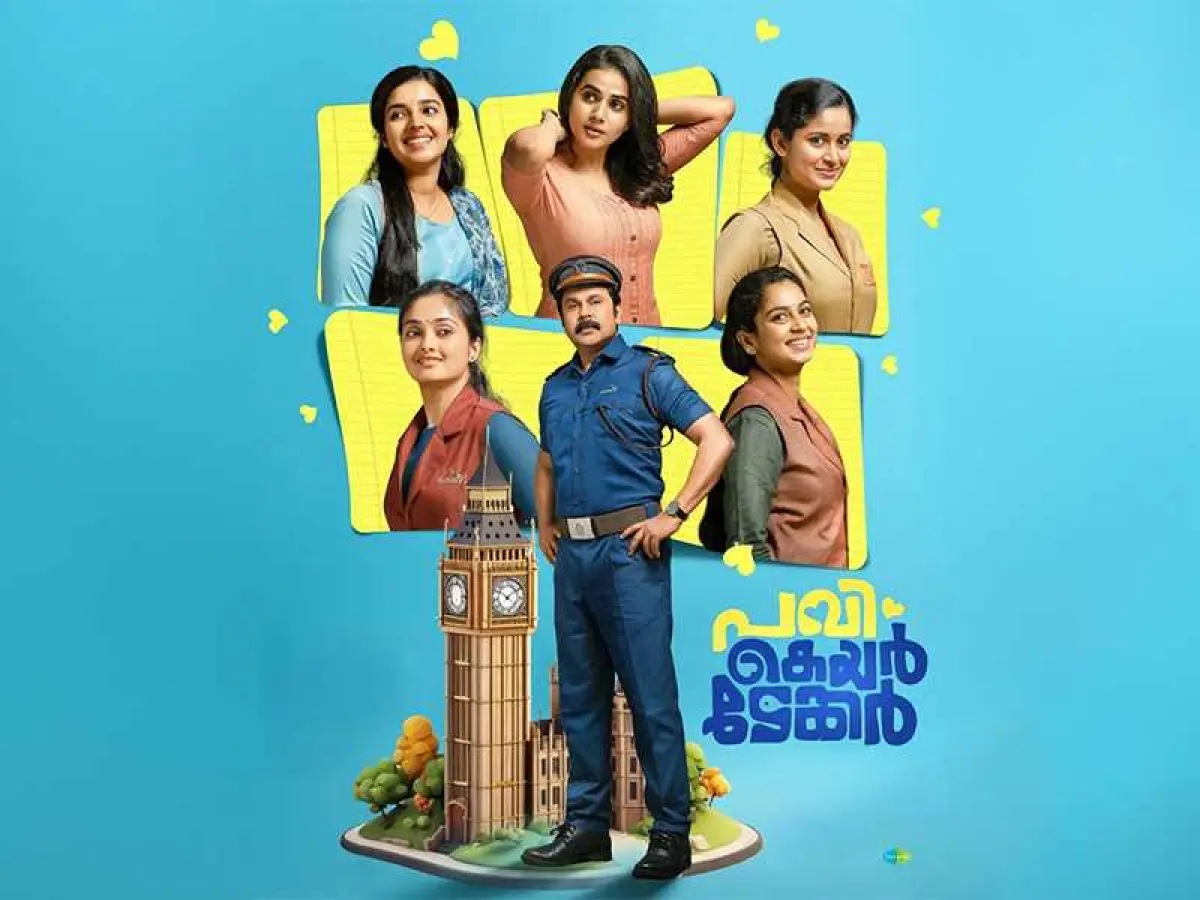
Pavi the caretaker
Today, it is the theme that rules. Films like Lokah and Eko have succeeded in theatres purely based on story, not star power.
Sruthi K, a film institute student, highlighted the persistent bias against actresses in Malayalam cinema.
“We praise only a handful of evergreen actresses, while many talented women shift to other South Indian industries for respect, dignity and better pay. Actresses like Remya Nambeesan, Rima Kallingal and Parvathy Thiruvoth are often sidelined.”
She continued: “Parvathy has resisted the bias successfully, thanks to her immense talent, but others like Rejisha Vijayan, Anupama Parameshwaran, Anumol and Samyuktha are focusing on other industries, where they get more opportunities. Nikhila Vimal has openly acknowledged that Tamil cinema offers more respect. Unfortunately, this bias will persist, regardless of who comes back to Mollywood.”
After the verdict, the Association of Malayalam Movie Artists (AMMA), long criticised for its male-dominated leadership and past support of Dileep, issued a brief statement: “Let law take its course. AMMA respects the court.”
Historically, AMMA backed Dileep during the 2017 assault case, reinstating him in 2018 despite outrage from members and the Women in Cinema Collective.
In August 2024, AMMA’s leaders, including Mohanlal, resigned amid harassment allegations.
In August 2024, AMMA’s entire executive committee, including President Mohanlal, resigned, citing moral responsibility after the Hema Committee report revealed widespread harassment and allegations against senior members like Siddique, sparking calls for industry reform.
In August 2025, actor Shwetha Menon became AMMA’s first woman president, pledging reforms on women’s safety, pay parity and inclusion.
Yet, with Dileep cleared by the court, AMMA’s statement signals an implicit welcome for his comeback, even as questions linger about the association’s commitment to the survivor.
However, Dileep finally spoke to the media, saying the conspiracy against him began with Manju Warrier’s statement and was backed by the police and certain media outlets. “The aim was to frame me and destroy my career and life,” he said, while thanking his family, friends and lawyers for standing by him.
By openly referencing his ex-wife, Dileep’s remarks hint at shifting dynamics within film associations. Attention now turns to AMMA’s woman chief. Will she respond to his comments about Manju or stay silent?
Minutes after the verdict, Dileep’s supporters gathered outside the court, celebrating with sweets and crackers.
Kerala Film Producers Association vice president Suresh Kumar reiterated his long-held stance, saying the verdict validated what he had believed since visiting Dileep in jail seven years ago. “This was a conspiracy targeting Dileep, orchestrated by the police and certain film industry insiders,” he told South First.
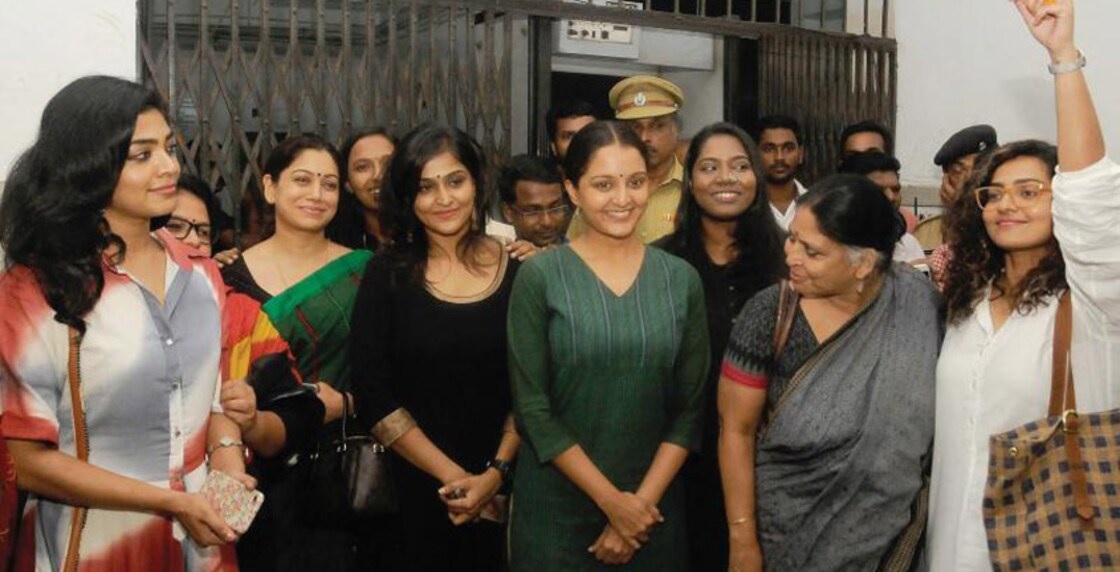
WCC Members
Meanwhile, actor Rima Kallingal, recently awarded the Kerala Film Critics Award for Best Actor (Female) for her performance in Theatre – The Myth of Reality, expressed her disappointment at being repeatedly questioned about AMMA’s leadership and case details instead of her craft.
“I just won an award for my performance, yet no one asks about my work. I am an artist first, it feels like that has been forgotten,” she said.
Rima, along with a few other women who stood with the survivor, continues to pay the personal and professional price of speaking out.
While debates rage over Dileep’s future, few remember what these women lost to stand with their colleague—their work, their peace, their safety.
It was women who suffered, women who stood united, women who sacrificed careers and lives, and it is women who will carry the trauma. In Mollywood, it is always women who pay the price.


