

Published Apr 17, 2026 | 2:31 PM ⚊ Updated Apr 17, 2026 | 2:31 PM

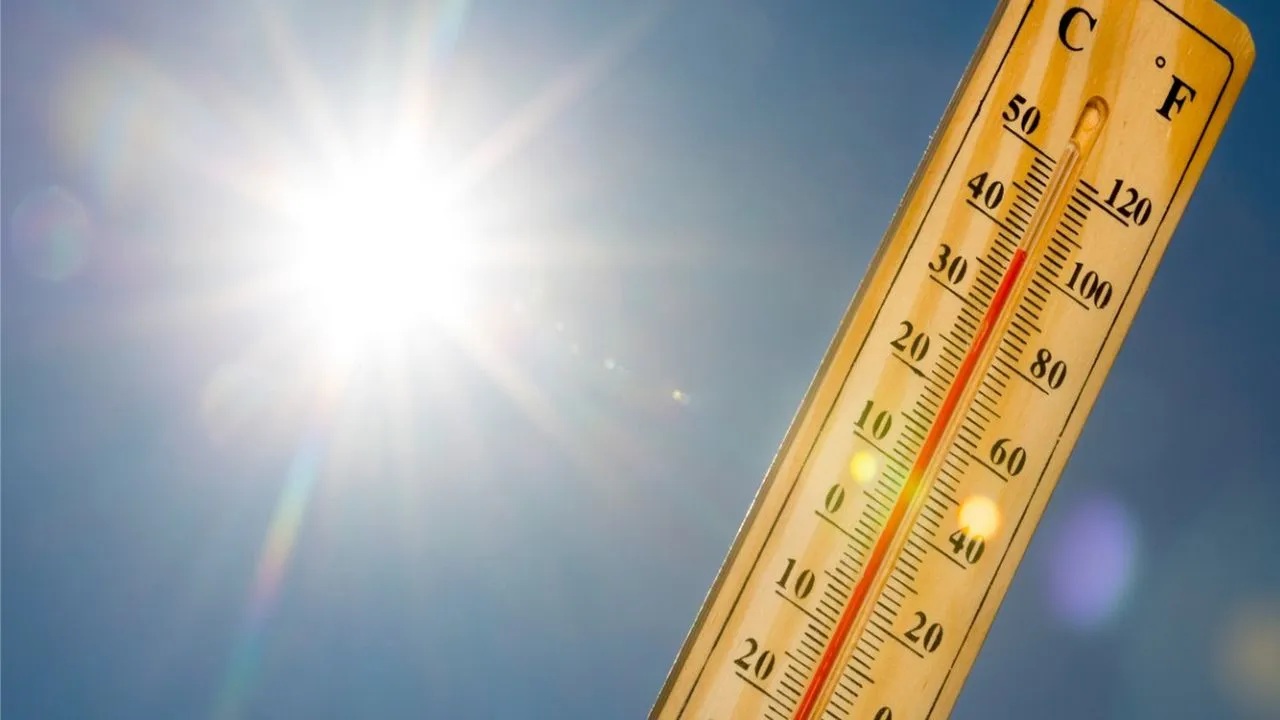
Outdoor workers, fishermen, tourists, bikers and people with existing health conditions are particularly vulnerable.

Synopsis: With temperatures continuing to soar across Kerala, the state stepped up its response by activating dedicated heatstroke clinics in major hospitals, even as authorities warn that the coming days could see little relief. The move comes amid a yellow alert issued by the Kerala State Disaster Management Authority.
With temperatures continuing to soar across Kerala and humidity compounding discomfort, the state stepped up its response by activating dedicated heatstroke clinics in major hospitals, even as authorities warn that the coming days could see little relief.
The state Health Department said the clinics are part of a broader Heat Health Action Plan to tackle a likely surge in heat-related illnesses.
Facilities have been equipped with essential medicines, cooling systems, and strengthened surveillance to monitor cases of sunstroke and dehydration.
Also Read: Telangana issues heat wave advisory as temperatures set to rise by 2-3°C
The move comes amid a yellow alert issued by the Kerala State Disaster Management Authority, which has forecast above-normal maximum temperatures across several districts between 17 and 19 April.
Palakkad is expected to touch 40°C, while Kollam may see 39°C and Kottayam 38°C. Some other districts, including Ernakulam, Thrissur and Kozhikode, are likely to record around 37°C, with Thiruvananthapuram at 36°C.
Hot and humid conditions are set to prevail across the state, barring hilly regions. Health authorities have flagged the high ultraviolet (UV) index between 11 am. and 3 pm as a major concern, urging people to avoid direct sun exposure during these hours.
“Continuous exposure can lead to sunstroke or heatstroke. Self-protection is critical,” the department said, adding that children, the elderly, pregnant women and those with underlying illnesses are particularly vulnerable.
People working outdoors have been advised to reschedule duties to early mornings or evenings.
Also Read: 24 years of data reveal South India faces the worst round-the-clock heat in the country
The government has also called for immediate medical attention in case of symptoms such as dizziness, fatigue, nausea, excessive sweating, reduced urination or fainting.
Medical experts caution that prolonged exposure to ultraviolet rays can cause skin and eye damage, weaken the immune system and, in extreme cases, contribute to serious illnesses, including cancer.
Hydration remains the key defence.
Authorities recommend drinking water — even without thirst — and other fluids, such as buttermilk, lemon water, and salted porridge in the diet. The public has also been advised to avoid carbonated and overly sweetened drinks, which may worsen dehydration.
Residents are encouraged to wear loose, light-coloured cotton clothing, use umbrellas or hats when stepping out, and ensure proper ventilation indoors.
Special care has been urged to prevent children and the elderly from being left in parked vehicles or exposed to direct sunlight.
As the heat shows no immediate signs of easing, officials stress that awareness and early intervention — backed by the newly operational heat stroke clinics — will be crucial in minimising health risks across the state.
(With inputs from Dileep V Kumar.)



