

Published Apr 28, 2026 | 11:17 AM ⚊ Updated Apr 28, 2026 | 11:17 AM

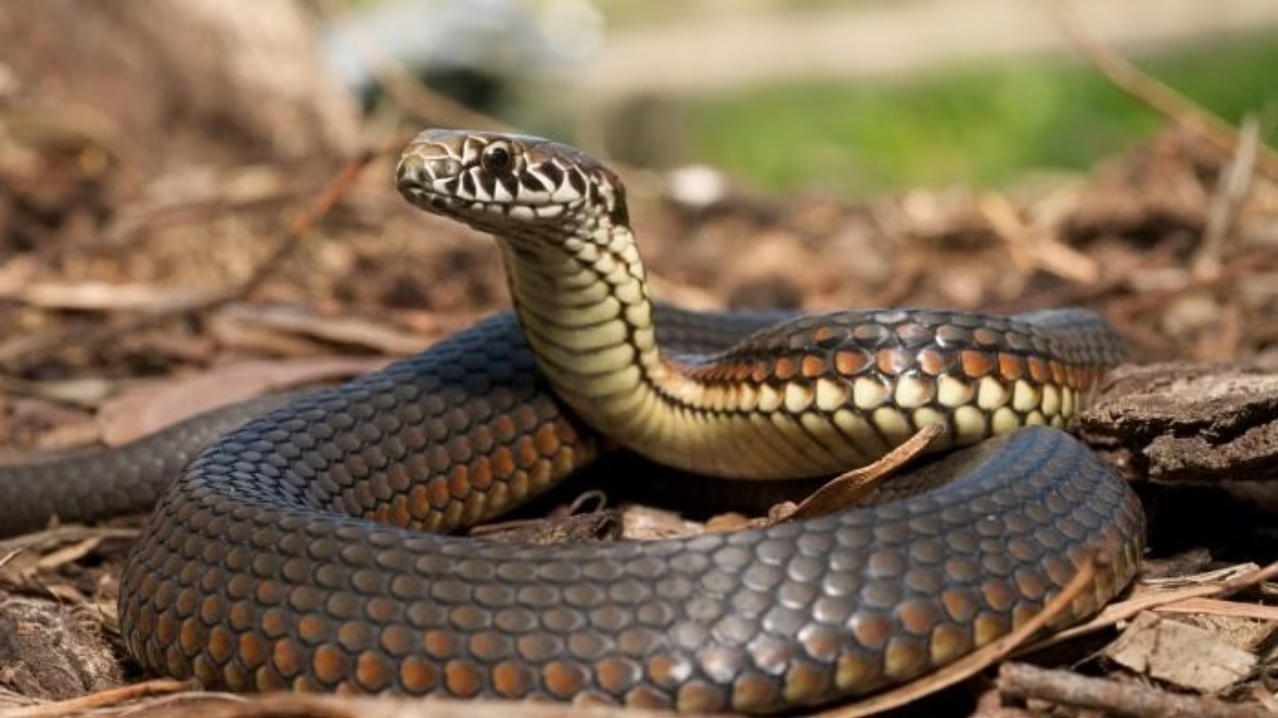
Kerala has recorded around 600 snakebite deaths in the past decade.

Synopsis: Recent reports of rising snakebite deaths have created a quiet panic in Kerala, especially among those living near forests, plantations, and high-altitude areas, where spotting snakes is part of daily life. However, a forest department official stated that the current panic is largely due to fear driven by increased media focus on snakebites and suspected snakebites.
Passing through low-lighted areas, closed rooms, and the moment before starting a vehicle — these everyday situations are now approached with unusual caution across Kerala. People pause, listen and stay alert. A faint hissing sound from any corner is enough to trigger anxiety.
Recent reports of rising snakebite deaths have created a quiet panic, especially among those living near forests, plantations, and high-altitude areas, where spotting snakes is part of daily life.
Recently, six snakebite deaths were reported in Kerala. However, according to Forest Department data, only three have been officially verified as snakebite fatalities so far. The remaining cases are still awaiting clarification and postmortem results.
Despite growing awareness — people using the SARPA app (Snake Awareness, Rescue, and Protection App) app and calling trained snake catchers instead of killing snakes — one major issue persists: Most people still struggle to identify snake species.
This becomes critical during treatment; although identifying the snake is not mandatory, it plays an important role in timely and effective medical care.
Also Read: Kerala finally declares snakebite a notifiable disease
Speaking to South First, Kerala Forest Department Biodiversity Cell Chief and SARPA State Nodal Officer, Muhammed Anwar Yunus, explained the types of venomous snakes commonly found in Kerala and those primarily responsible for fatalities.
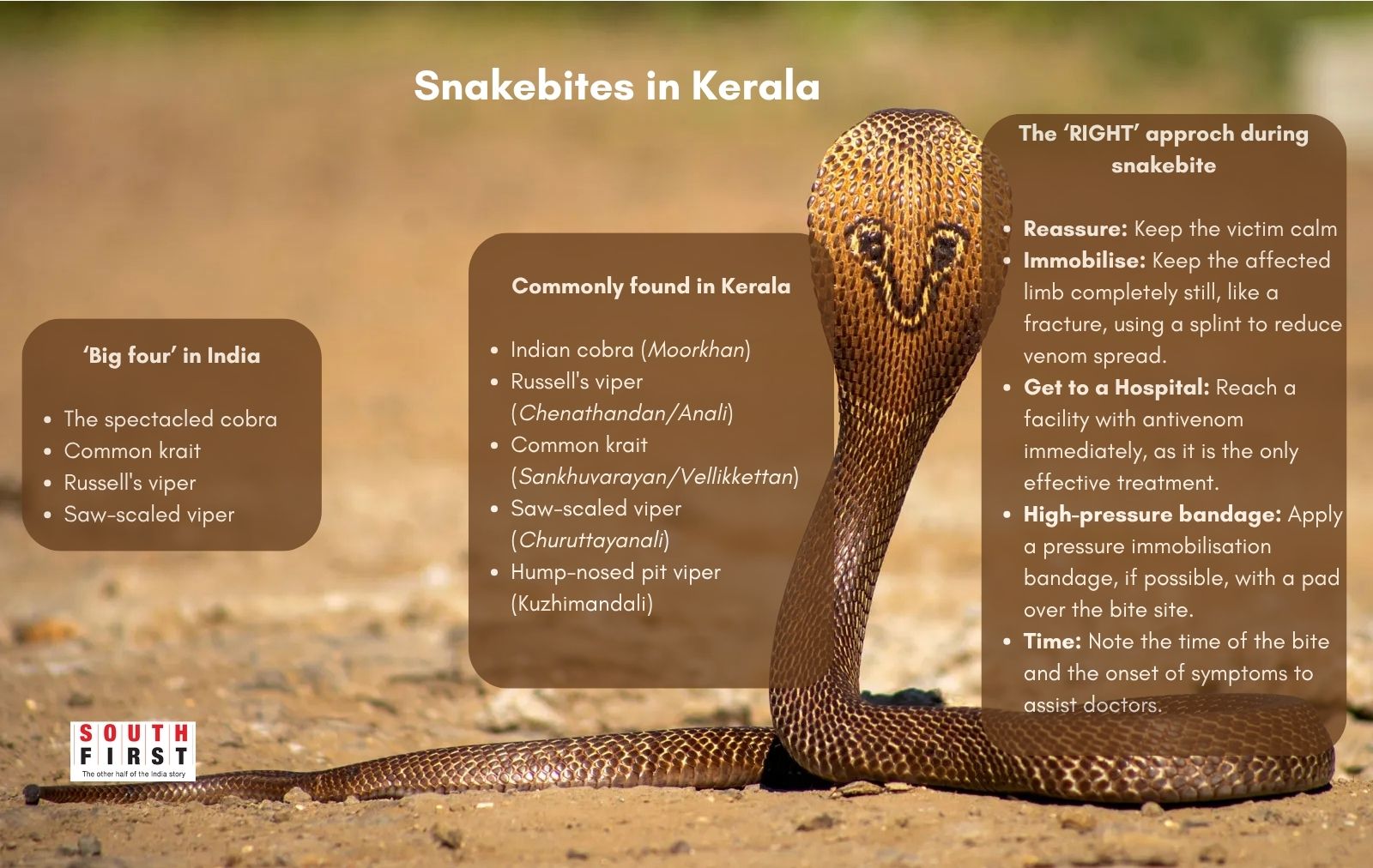
“In India, it is the ‘big four’ that cause most snakebite deaths,” he said. These include four highly venomous species — the spectacled cobra, common krait, Russell’s viper and saw-scaled viper.
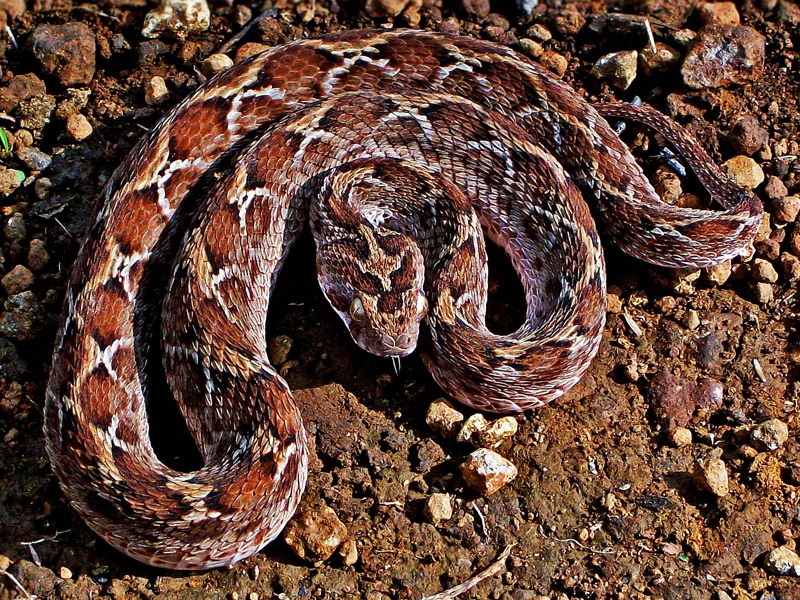
Saw-scaled viper (Creative Commons)
In Kerala, three of these are commonly found:
Compared to the cobra and Russell’s viper, the common krait is rarely seen because it is mostly active at night.
In certain dry parts of Kasaragod, Kannur and Palakkad, the saw-scaled viper (Churuttayanali) is occasionally spotted, though it is not common across the rest of the state.
However, Kerala has another significant contributor to venomous bites. Nearly one-fourth of such cases are caused by the hump-nosed pit viper (Kuzhimandali), a species found only in the South Western Ghats.
While its bite is generally not fatal for a healthy adult, it can lead to serious complications in children, the elderly and adults with existing health conditions such as heart disease or those under medication.
A government doctor, speaking to South First on condition of anonymity, explained that the effects of a snakebite can differ from person to person depending on age, immunity and underlying health conditions.
However, venomous snakes in Kerala tend to produce certain identifiable symptom patterns. Recognising these early and seeking immediate medical care can be lifesaving.
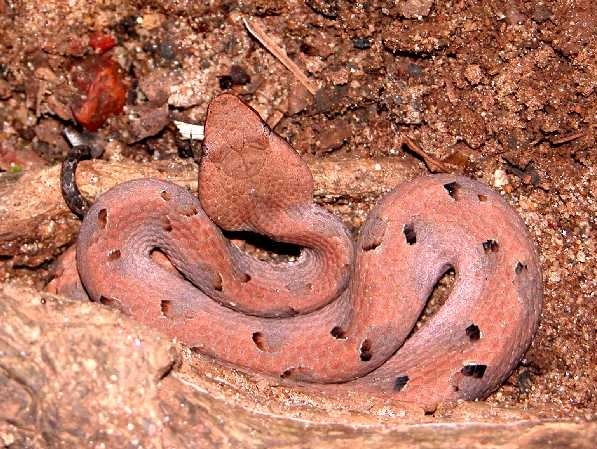
Hump-nosed Pit Viper (Creative Commons)
Bites from viper species are typically very painful and produce immediate local reactions. Victims often experience intense pain at the bite site followed by rapid swelling, blistering- sometimes blood-filled and tissue damage in severe cases.
Swelling of nearby lymph nodes may also occur.
Systemic symptoms can include vomiting, severe headache, fever and reduced urine output.
In some cases, around one in ten patients may develop acute kidney injury, which can progress to Acute Renal Failure (ARF).
Another serious complication is a blood-clotting disorder known as Venom-Induced Consumption Coagulopathy (VICC).
Management mainly involves supportive care such as wound treatment, antibiotics if required, blood products and dialysis in cases of kidney failure.
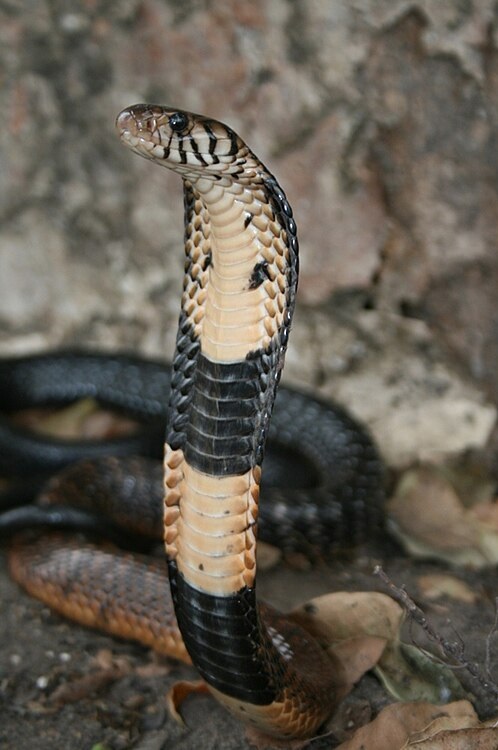
Cobra (Creative Commons)
Cobra bites are primarily neurotoxic and can show symptoms quickly, often within 15 minutes to two hours.
Early signs include drooping eyelids (ptosis), difficulty keeping the eyes open and problems with swallowing or speaking due to paralysis of facial and throat muscles.
Victims may also report nausea, vomiting, abdominal pain, dizziness, low blood pressure and excessive sweating.
Local pain, swelling, and tissue damage can also be present.
As the venom progresses, it can lead to respiratory failure, paralysis of limbs and even loss of consciousness.
Without urgent medical care and anti-venom, the paralysis can affect breathing and become fatal.
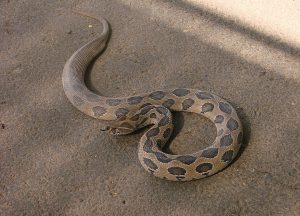
Russell’s Viper (Creative Commons)
Bites from Russell’s Viper are known for causing severe pain almost immediately, along with rapid swelling and bruising around the bite area.
Blistering and tissue destruction may follow.
The venom affects the blood, leading to symptoms such as bleeding from the gums, blood in urine or vomit and clotting abnormalities.
Symptoms can appear quickly, sometimes within just a few minutes.
Kidney failure is a major risk, and the bite can result in significant tissue necrosis. This species is also considered aggressive and tends to inflict deep, damaging bites.
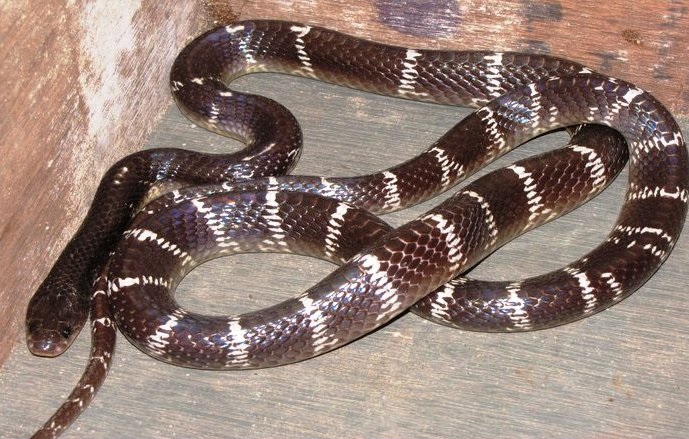
Common Krait (Creative Commons)
The common krait presents a very different and more deceptive pattern. Its bite is often painless and may leave little to no visible mark, frequently occurring at night while the victim is asleep.
Early symptoms can be delayed by one to six hours and may begin with abdominal pain, which is often mistaken for other conditions.
Gradually, neurological symptoms develop, including drooping eyelids, difficulty speaking and swallowing, and progressive paralysis. Eventually, the venom can lead to respiratory failure.
Since the bite is subtle and symptoms are delayed, it is often described as a “silent killer”.
Also Read: Common blood thinner possible cheap antidote to snakebite, study finds
Responding to concerns over panic triggered by widely circulated snake images, often shared without proper representation warnings, Anwar Yunus said that most of the reported cases in Kerala have not been conclusively linked to snakebites.
He questioned how such images are being used without even basic warnings, especially when the cause of many incidents remains unverified.
 He pointed out that the only confirmed case involving an identified species was in Kodaly, Thrissur, where eight-year-old Aljo died following a bite from a common krait.
In Kilimanoor, 75-year-old Sudharma died on 20 April after a suspected snakebite near her home’s well, but this remains unconfirmed. Similarly, the death of 65-year-old Indira from Kayamkulam in Alappuzha has not been established as a snakebite case, as no antivenom was administered and there were no clear signs of envenomation.
“In the past week, six deaths have been reported, but we still cannot conclusively state that all were due to snakebites. So far, only three cases have been confirmed: Aljo (8) from Thrissur, who died on 19 April; Dikshal (8) from Thiruvananthapuram, who died on 23 April; and Sudharma (75) from Kilimanoor, who died on 20 April. However, Sudharma’s case remains doubtful, though it has been included in the list,” he told South First.
He added that the deaths reported on 26 April, Nafeesa (70) from Kannur and Vishalakshi (75) from Idukki, are yet to be verified, with postmortem reports awaited.
“In the 2026 calendar and financial year, a total of six snakebite fatalities have been reported, but the Forest Department has officially confirmed only three so far,” he noted.
Yunus emphasised that the media has a responsibility to inform rather than alarm, stressing that awareness must come from credible sources rather than fear-driven reporting.
Highlighting the role of fear in worsening outcomes, Yunus said anxiety itself can lead to serious complications, including heart attacks and is a major factor behind fatalities in suspected snakebite cases.
“There is a simple principle in snakebite management — do it RIGHT,” he explained.
R – Reassure: Keep the victim calm
I – Immobilise: Keep the affected limb completely still, like a fracture, using a splint to reduce venom spread.
G – Get to a Hospital: Reach a facility with antivenom immediately, as it is the only effective treatment.
H – High-pressure bandage: Apply a pressure immobilisation bandage, if possible, with a pad over the bite site.
T – Time: Note the time of the bite and the onset of symptoms to assist doctors.
He further noted that many deaths are linked more to panic than venom.
Drawing a comparison, he said that despite Australia recording between 40,000 and 50,000 snakebite incidents annually, fatalities remain as low as three to four due to high levels of awareness and timely medical response.
More than anything, he stressed that what saves a life in those critical moments is the presence of mind; staying calm, acting quickly and trusting the process of treatment. Fear can take over in seconds, but so can the right response.
(Edited by Muhammed Fazil.)



