

Published Jan 24, 2026 | 10:29 AM ⚊ Updated Jan 24, 2026 | 10:00 PM

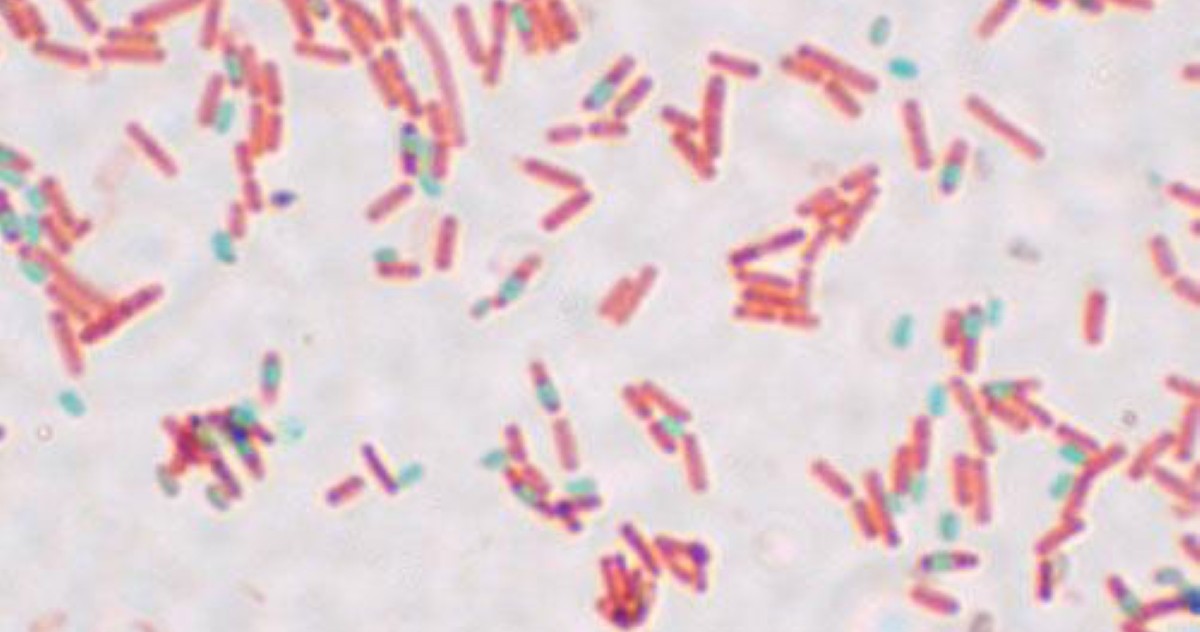
Bacillus Subtilis. (Wikimedia commons)
Synopsis: Widely found in the environment, fermented foods and the human gut, Bacillus subtilis is among the most extensively studied microorganisms and serves as a key model organism in microbiology and biotechnology.
Kerala has become the first state in the country to officially designate a state microbe. On Friday, 23 January, the state announced Bacillus subtilis as the state microbe.
According to The Hindu, the announcement was made at a function held in Thiruvananthapuram on Friday. Chief Minister Pinarayi Vijayan made the announcement while dedicating the Centre of Excellence in Microbiome (CoEM), established by the government, to the people.
Widely found in the environment, fermented foods and the human gut, Bacillus subtilis is among the most extensively studied microorganisms and serves as a key model organism in microbiology and biotechnology.
Known for its ability to form heat-resistant spores that can survive for long periods, the bacterium is also genetically competent, allowing it to take up external DNA—making it a valuable tool for genetic and biomedical research.
Its fully sequenced genome and strong protein-secretion capacity have made it a major workhorse in industrial biotechnology.
According to global scientific studies, Bacillus subtilis is also valued for its probiotic properties.
It helps improve gut health by producing antimicrobial compounds that inhibit harmful pathogens, supports digestion, and strengthens the intestinal barrier—benefits that have led to its use in human and animal probiotic supplements worldwide.
The initiative springs from a simple but powerful idea: microorganisms are far more than pathogens. They are central to digestion, immunity, soil health, agriculture, ecological balance, and sustainable livelihoods.
The concept of a State Microorganism, it’s said was proposed by Dr. Sabu Thomas, Director of the CoEM, with the aim of sparking informed public discourse on the immense and often overlooked benefits microbes provide in everyday life, while also encouraging their conservation.
Recognising the scientific and symbolic value of the proposal, the Kerala government constituted an expert committee chaired by the Executive Vice President of the Kerala State Council for Science, Technology and Environment (KSCSTE).
The panel brought together clinicians, microbiologists, academicians, scientists, and representatives of the State Biodiversity Board.
At the national level, India took a similar symbolic step more than a decade ago.
In October 2012, Lactobacillus delbrueckii subsp. bulgaricus—a probiotic bacterium central to the production of curd, yoghurt, and cheese—was declared the National Microbe of India by the Ministry of Environment and Forests.
The decision followed an innovative public voting process conducted aboard the Science Express Biodiversity Special, with schoolchildren across the country choosing the microbe that best represented India’s biological and cultural heritage.
Then Minister of State for Environment and Forests Jayanthi Natarajan announced the decision, highlighting the role of microbes in nutrition and immunity.
Kerala’s initiative builds on that national precedent but goes a step further by embedding microbiome science into its development vision.
The Centre of Excellence in Microbiome, under whose aegis the declaration will be made, was initiated by the Government of Kerala through KSCSTE, in partnership with the Kerala Development and Innovation Strategic Council (K-DISC), and with scientific mentoring from the Rajiv Gandhi Centre for Biotechnology (RGCB).
The CoEM aims to promote cutting-edge research, innovation, and entrepreneurship across domains such as human health, animal health, agriculture, aquaculture, and environmental sustainability.
Guided by the motto “Microbes for Life”, the centre seeks to harness microbiota from human, animal, plant, aquatic, and environmental ecosystems to generate solutions to pressing health and environmental challenges.
(Edited by Sumavarsha, with inputs from Dileep V Kumar)


