

Published Jan 20, 2026 | 9:50 AM ⚊ Updated Jan 20, 2026 | 9:50 AM

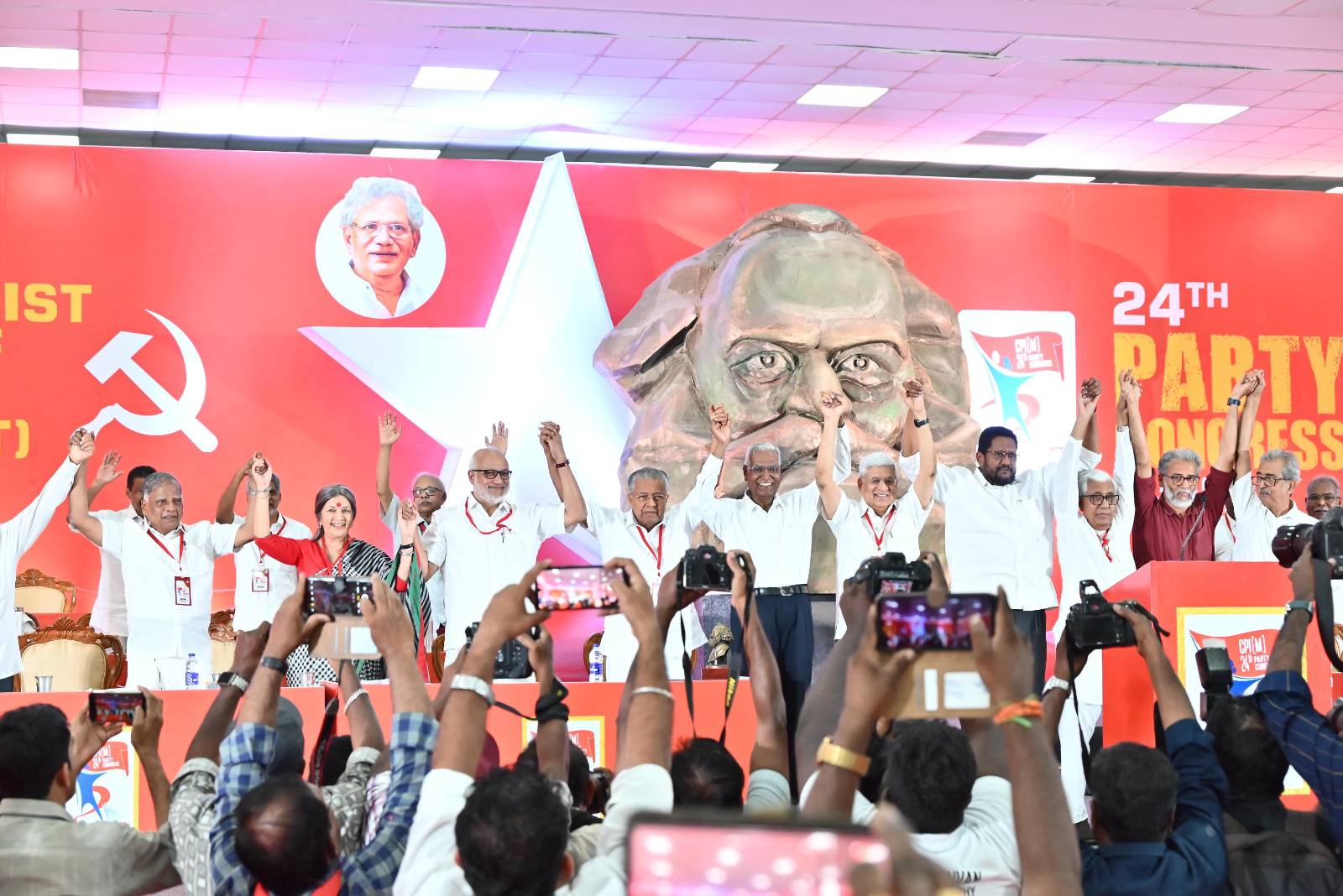
Inaugural session of the CPI(M)'s 24th party congress in Madurai on Wednesday, 2 April. (X)
Synopsis: The secular credentials flaunted by the CPI(M) seem to be waning in Kerala, especially after the comments made by some of its leaders and the meetings of the chief minister with religious leaders. However, for many within the party, the fear is that losing the “secular” tag could prove far more damaging than any short-term tactical gains.
For decades, the CPI(M) has worn its secular credentials as both shield and sword — against majoritarian Hindutva, minority fundamentalism, and any politics that fractures society along religious lines.
In Kerala, where the Left has been in power for a decade, this self-image has been central to its claim of moral and political distinctiveness: A state held up as an antidote to the polarisation tearing through much of India.
Yet, as Kerala edges towards another high-stakes Assembly election, that carefully curated image is beginning to fray.
The recent reference to Marad in Kozhikode — a place name that still carries the weight of one of Kerala’s darkest episodes of communal violence — and Fisheries and Culture Minister Saji Cherian’s controversial remarks on electoral polarisation in north Kerala have together reopened an uncomfortable debate.
Are these merely cautionary signals against creeping communalism, as the CPI(M) insists? Or do they reflect a tactical shift that risks normalising the very identities the Left once sought to erase from electoral arithmetic?
What began as a cautionary reference to Kerala’s troubled past unfolded into a revealing moment in the CPI(M)’s contemporary political strategy, with the Marad riots emerging once again as a potent symbol in an increasingly charged public discourse.
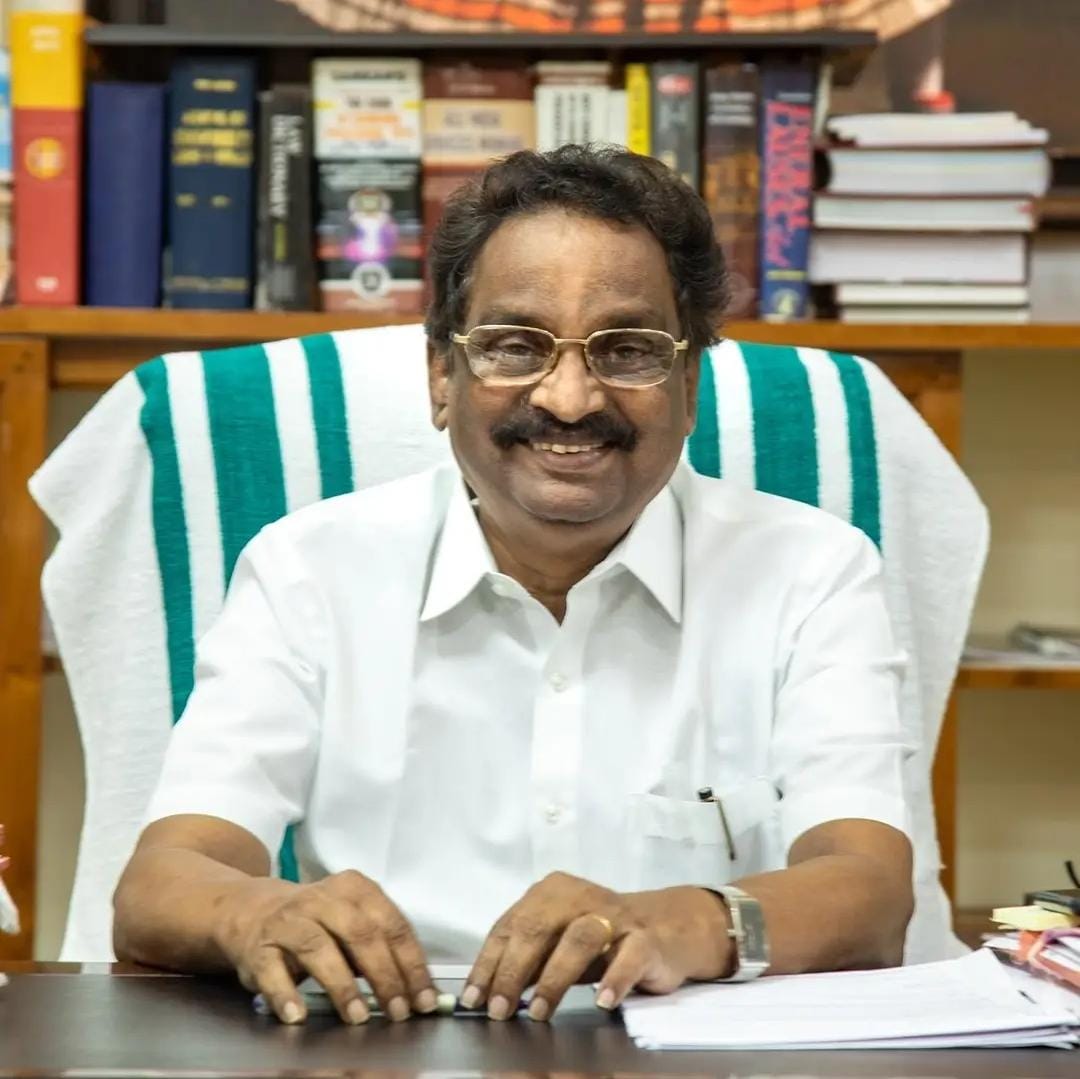
AK Balan.
Sree Narayana Dharma Paripalana (SNDP) Yogam Chairman Vellappally Natesan’s praise of the Pinarayi Vijayan government, on 31 December 2025, for preserving communal peace set the tone, but it was CPI(M) leader AK Balan’s warning about a possible return to “Marad-like” conditions under a UDF regime that pushed the debate into sharper, more polarised territory.
The legal notice from Jamaat-e-Islami — and Balan’s defiant refusal to retract — transformed a political statement into a contest over intent, memory and narrative control.
By stepping in forcefully to defend Balan, Chief Minister Pinarayi Vijayan framed the controversy not as a communal provocation but as a reminder of governance failures under previous administrations, invoking Marad as evidence of a time when the state, he argued, lacked the political will to confront extremist pressure.
The parallel controversy over Minister Saji Cherian’s remarks on electoral polarisation in north Kerala adds another layer to this unfolding picture.
Speaking at a public event, Cherian linked the outcome of the recent local body elections in Kasaragod municipality and the Malappuram district panchayat to communal polarisation, suggesting that merely looking at the names of the winners would reveal the trend.
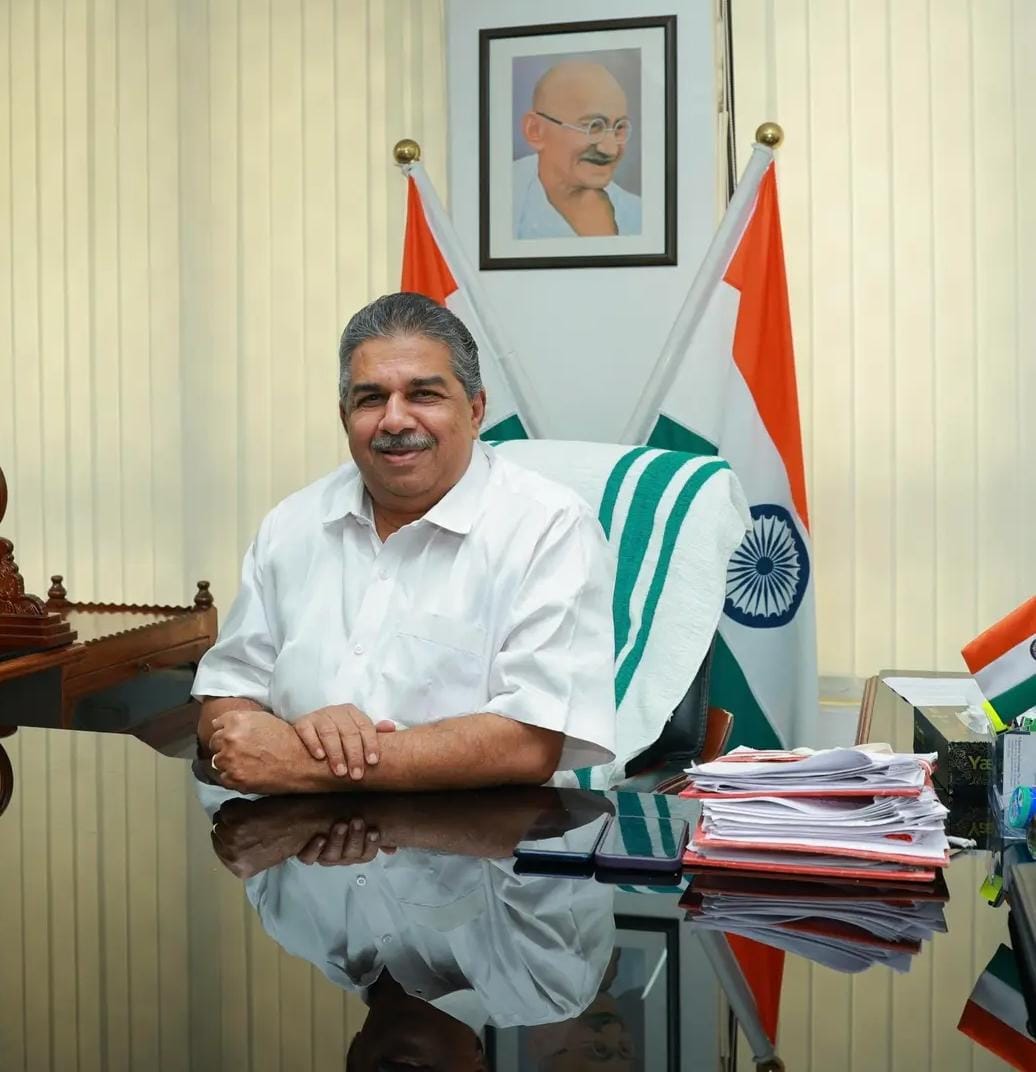
Saji Cheriyan.
He argued that candidates lacking majority support from their own communities would struggle to win anywhere in Kerala, and warned against turning the State into “another Uttar Pradesh or Madhya Pradesh” by importing divisive politics.
Together, the two episodes suggest a new CPI(M) that is increasingly willing to speak openly about religion, identity and voting patterns — while carefully insisting that its target is addressing communalism and not targeting any religious groups.
At the same time, the Opposition — especially the Congress — argues that the remarks linked to Marad and the controversial statement by senior minister Cheriyan signal a conscious turn towards polarising discourse.
Leader of Opposition in Kerala Assembly VD Satheesan and former Leader of the Opposition Ramesh Chennithala accused the Left of abandoning Kerala’s long-held secular consensus to recover political ground ahead of the 2026 Assembly election.
By invoking Marad — a byword for communal trauma in the state — and defending or downplaying Cheriyan’s comments, the Congress claims the CPI(M) is testing narratives that subtly pit communities against each other while maintaining plausible deniability at the top.
The Congress leadership argued that this represents a tactical shift after recent electoral setbacks, aimed at consolidating vote banks through fear and suspicion rather than governance.
Marad, a small coastal hamlet under the Beypore Grama Panchayat near Kozhikode, became synonymous with communal violence in Kerala in the early 2000s.
Spanning barely two square kilometres and inhabited mainly by Hindu and Muslim fisherfolk, the area’s tensions erupted into two violent episodes that shocked the state.
The Thomas P Joseph Commission of Inquiry, which inquired into the Marad riots of 2003, traced the roots of the conflict as early as 1954.
A minor New Year’s Eve dispute on 31 December 2001 — initially settled by local elders — escalated into a communal riot on 3–4 January 2002.
The Commission found that the involvement of activists linked to the CPI(M), IUML and BJP/RSS aggravated tensions, turning a local issue into organised violence.
Five people were killed, many were injured, and homes and fishing boats were destroyed. It’s said that delayed prosecution and easy bail for the accused, the Commission noted, fuelled resentment and a sense of injustice, particularly among relatives of Muslim victims.
This culminated in the 2 May 2003 massacre, when about 90 armed men attacked Marad beach, killing eight Hindus and one Muslim.
The assault was found to be premeditated, involving Muslim fundamentalist elements, NDF and IUML activists, with tacit local political backing.
Marad remains a stark lesson in how communal polarisation, political opportunism and administrative failure can combine with tragic consequences.
Political analyst Joseph C Mathew viewed the episode as part of a larger attempt by the CPI(M) to consolidate Hindu votes by constructing a counter-narrative against the Congress-led UDF.
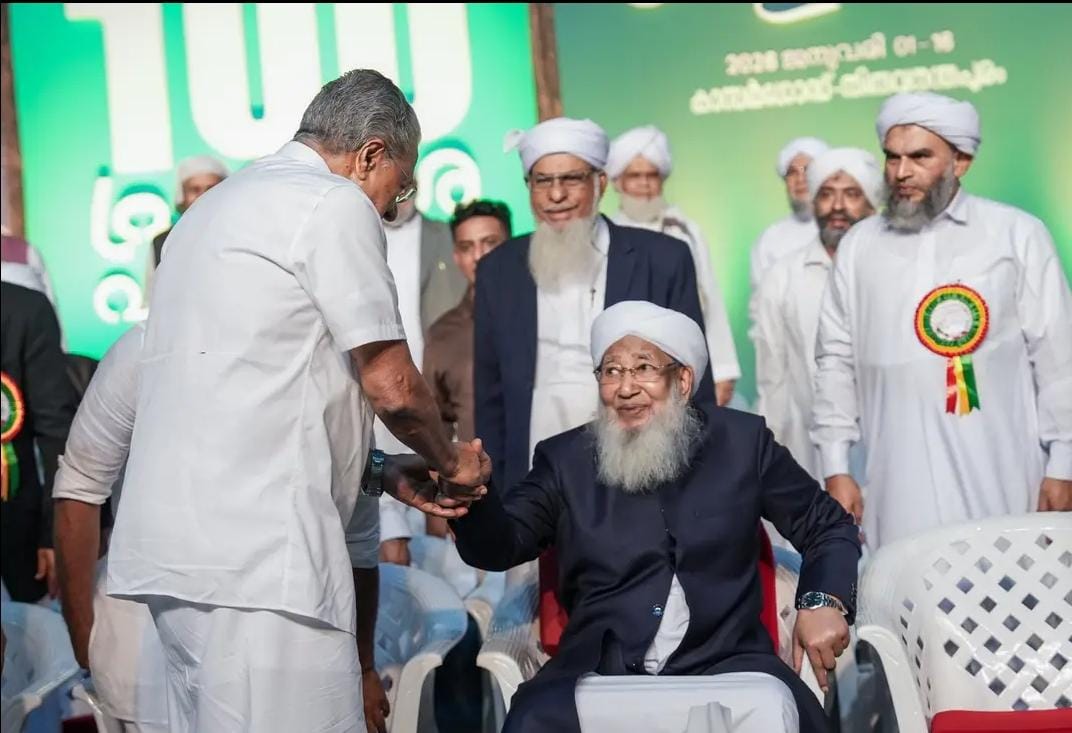
Chief Minister Pinarayi Vijayan with Kanthapuram AP Aboobacker Musliyar.
He argued that the party is acutely aware that controversies such as the Sabarimala gold theft episode dented its standing among sections of the Hindu community, and that recent remarks must be read as an effort to politically corner the Congress by playing up anxieties around minority appeasement.
“At the same time, the chief minister is clearly reaching out to Muslim community leaders,” Mathew told South First, pointing to the chief minister’s participation — within a span of three days — in the concluding leg of Kerala Muslim Jamaat (KMJ) president Kanthapuram AP Aboobacker Musliar’s Kerala Yatra and the 70th anniversary celebrations of Samastha Kerala Jem-iyyathul Ulama’s south zone.
“However, remarks by leaders like AK Balan and Saji Cheriyan end up spoiling such efforts,” he said, underlining the contradiction between outreach politics and rhetorical missteps.
Left political commentator NM Pearson believes the CPI(M), rattled by its recent electoral setbacks, is attempting to regain the initiative by pushing the Congress onto the defensive.
According to him, the party is trying to advance a narrative that a future UDF government would allow Muslim organisations disproportionate influence in governance.
However, Pearson warned that persisting with this line could backfire. “Such arguments don’t have lasting political value and risk undermining the CPI(M)’s ideological commitment to secularism and its historic opposition to communal politics,” he cautioned.
That concern appears to resonate strongly within the party itself.
A CPI(M) district committee member told South First that while the party has long positioned itself as an “iron wall” against communalism, that wall rests on the trust of all communities.
Remarks that appear to rationalise electoral outcomes by pointing to the religious composition of districts like Malappuram or Kasaragod, he warned, create a dangerous grey area that both the UDF and BJP are quick to exploit.
“By invoking ghosts like Marad, we are playing on a pitch prepared by our enemies,” the leader said. “We are supposed to fight elections across all 140 constituencies on the LDF’s development record — not on a communal census.”
The unease is even sharper at the grassroots.
A local committee member said such statements have made cadre-level work significantly harder. “We deal with people door to door in multi-religious wards. When senior leaders make sweeping comments about the ‘mentality’ of voters, the CPI(M)’s image as a shield against the RSS feels cracked,” he said.
For many within the party, the fear is that losing the “secular” tag, especially among younger voters, could prove far more damaging than any short-term tactical gains.
As one cadre put it bluntly, “We want to win on our merits, not by amplifying the very anxieties the BJP thrives on.”
(Edited by Muhammed Fazil.)


