

Published Jan 25, 2026 | 8:00 AM ⚊ Updated Jan 25, 2026 | 8:00 AM

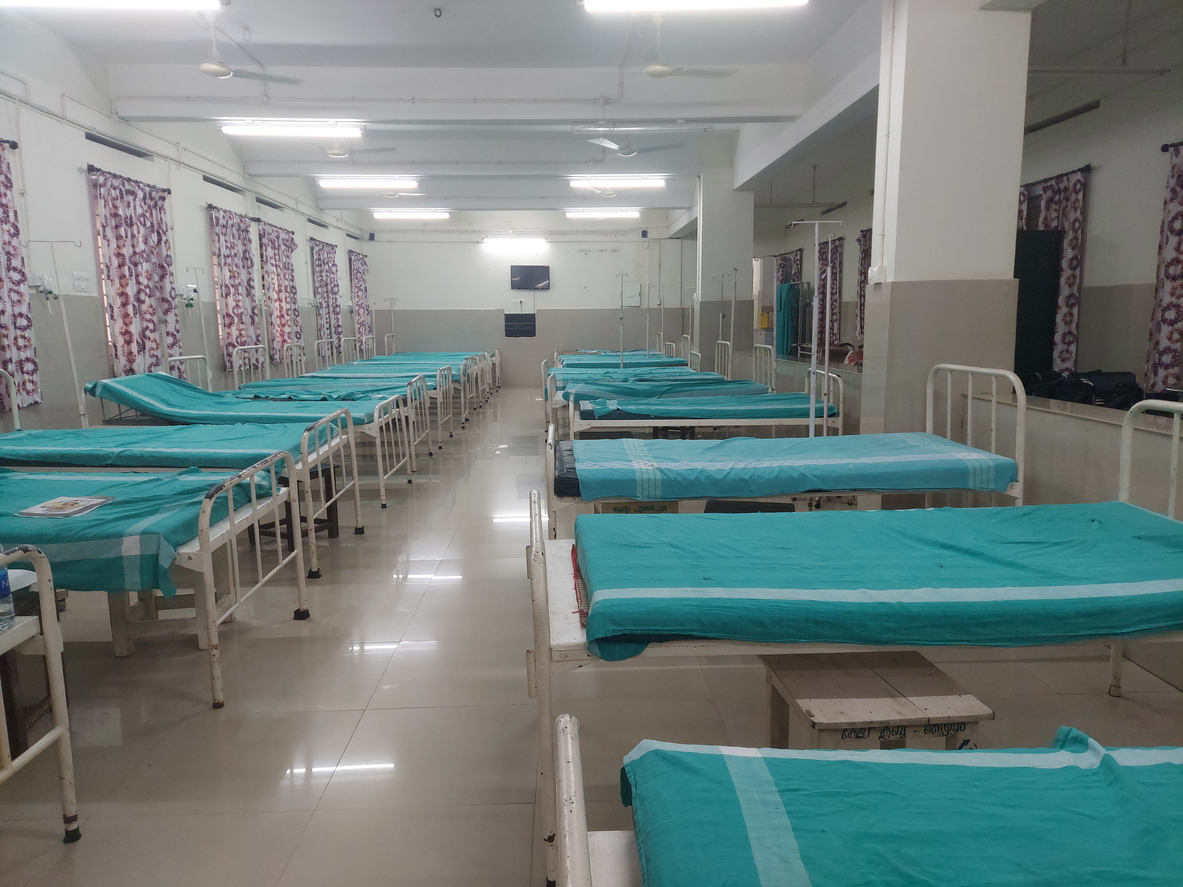
Representational image. Credit: iStock
Synopsis: Kerala has finally begun enforcing the Clinical Establishments Act, 2018 after years of delay and litigation. A stern High Court ruling in 2025 cleared challenges, compelling hospitals, clinics, and diagnostic centres to register, disclose fees, and provide emergency care. With inspections underway, the government warns of penalties and closures, signalling a decisive shift toward accountability and patient rights in private healthcare.
After nearly seven years of drift, courtroom sparring and quiet defiance, Kerala’s long-stalled attempt to regulate its sprawling private health sector has finally crossed from statute book to the ground.
Armed with a sharp rebuke from the High Court and a fresh administrative resolve, the state has begun enforcing the Kerala Clinical Establishments (Registration and Regulation) Act, 2018 — a law that promises to redraw the rules for hospitals, clinics and diagnostic centres.
What existed largely as an unimplemented mandate since 2018 is now taking concrete shape.
Mandatory registration, display of treatment costs, institutional grievance redressal and the obligation to provide emergency care without preconditions are no longer optional ideals but enforceable requirements.
With inspections under way and the threat of closure looming over non-compliant facilities, the government is signalling a decisive shift away from the regulatory laxity that has long defined private healthcare in Kerala.
After years of inertia and litigation-induced paralysis, the state government has begun enforcing the Clinical Establishments (Registration and Regulation) Act, 2018 — a statute meant to bring long-promised order to a fast-growing but uneven healthcare sector.
The renewed push is not accidental.
It follows a firm Division Bench ruling, in November 2025, of the Kerala High Court that shut the door on repeated challenges by hospital associations and cleared the legal fog that had stalled implementation for nearly a decade.
By upholding key provisions on mandatory registration, transparency in fee and package rates, and minimum standards for emergency care, the court effectively reminded the state of its constitutional obligations.
Healthcare, the judgment underscored, is no longer a matter of policy choice or administrative convenience; it flows directly from Article 21 and the state’s duty under Article 47 to improve public health.
The Act, the Bench observed, does not micromanage doctors or cap treatment choices — it regulates institutions, insists on disclosures, and demands accountability where patients are most vulnerable.
Earlier, the hospital associations, led by the Kerala Private Hospitals Association, had argued that provisions mandating disclosure of fee rates and treatment packages amounted to excessive state interference in professional autonomy and private enterprise, branding them vague, arbitrary and constitutionally untenable.
They also contended that the Act indirectly penalised individual medical practitioners and imposed unworkable compliance burdens.
The Division Bench firmly rejected these claims, holding that the law regulates institutions — not medical judgment — and merely operationalises the state’s constitutional duty to ensure affordable, transparent and emergency healthcare.
Striking a stern note, the court observed that it would ordinarily have imposed heavy costs on the appellants for stalling a welfare legislation for nearly eight years, but refrained from doing so only because interim court orders had allowed the status quo to continue during the pendency of the cases.
With the court now directing audits, compliance undertakings and the threat of penalties for defiance, the state has little room left to delay.
Health Secretary Rajan Khobragade has made it clear that the state government is now moving from persuasion to enforcement in implementing the Kerala Clinical Establishments (Registration and Regulation) Act, 2018.
With the High Court’s deadline for submitting undertakings having expired, the government will no longer tolerate delays or evasions, he said.
According to the Health Secretary, registration under the Act is no longer optional for any clinical establishment, irrespective of size or system of medicine.
Hospitals, diagnostic centres, clinics, laboratories, and AYUSH institutions must comply fully with the law if they wish to continue functioning in Kerala.
“There will be no permission to operate without registration,” he said, adding that inspections have already begun across districts to identify defaulters and initiate action.
The government, he said, will simultaneously step up awareness efforts to ensure that institutions clearly understand their legal and ethical responsibilities, particularly those reinforced by the High Court.
These include the mandatory provision of emergency and life-saving treatment without insisting on advance payment or documents, transparency in service charges, and the protection of patient rights.
Strict monitoring, public disclosure requirements, and time-bound grievance redressal mechanisms will be enforced, he said, warning that violations could lead to suspension or cancellation of registration.
“The objective is not punishment alone, but accountability and patient safety,” he added.
The Kerala Clinical Establishments (Registration and Regulation) Act, 2018 was enacted with the stated objective of bringing uniform standards, transparency and accountability to the healthcare sector across the state.
Modelled broadly on the central Clinical Establishments Act, 2010, the Kerala law goes further by classifying hospitals based on bed strength and services, and by extending regulation to all recognised systems of medicine, including modern medicine, dentistry and AYUSH streams.
The Act mandates compulsory registration of all public and private clinical establishments and prescribes minimum infrastructure and service standards for each category.
It also seeks to ensure transparency by requiring hospitals to publicly display treatment charges and service details, while offering a grievance redressal mechanism for patients.
The scale of the Act’s reach is evident from registration figures: by January 1, 2026, as many as 2,818 establishments had secured permanent registration, while 13,566 others were operating under provisional registration, signalling both widespread compliance and the transition still underway.
Despite these aims, the legislation has faced sustained opposition from private hospital bodies, particularly those representing small and medium institutions.
They argue that uniform compliance requirements disproportionately burden smaller facilities with limited staff and resources, potentially forcing many to shut down.
Concerns have also been raised about the practical feasibility of rate disclosures and emergency care obligations, as well as fears of regulatory overreach and punitive action based on complaints.
The state, however, maintains that the Act is essential to curb unethical practices and protect patient rights, pointing to the lack of any provision for arbitrary action without appeal.
While the Kerala High Court has upheld the Act’s validity, the government, it’s learnt, has indicated its willingness to amend rules to ease implementation pressures on smaller hospitals.
(Edited by Amit Vasudev)


