

Published Jan 08, 2026 | 1:07 PM ⚊ Updated Jan 08, 2026 | 1:20 PM

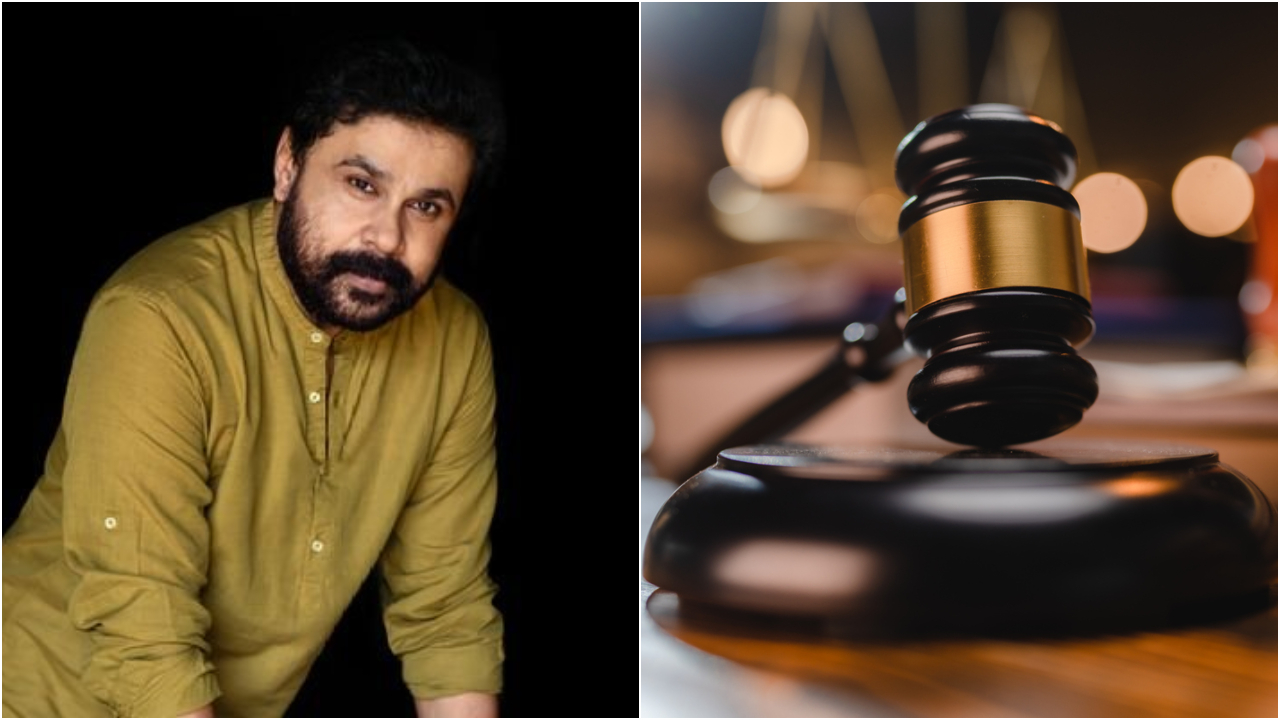
The trial court acquitted Dileep on the ground that the prosecution failed to conclusively prove the conspiracy behind the assault, even as it convicted six other accused, including prime perpetrator Pulsar Suni. Credit: x.com/Dileep_Online, iStock
Synopsis: Kerala’s prosecution wing is set to appeal Malayalam actor Dileep’s acquittal in the 2017 actress assault case, sharply indicting the trial court and judge for bias, procedural lapses, and flawed evidence evaluation. Legal advice deems the verdict “unsustainable,” citing ignored digital forensics, witness testimonies, and selective rejection of evidence. The High Court appeal marks a rare offensive against judicial conduct.
In an extraordinary and rare move, the Kerala prosecution wing has mounted a strong offensive not just against the acquittal of Malayalam actor Dileep in the 2017 actress assault case, but also against the trial court and the judge who delivered the verdict.
Legal advice submitted to the Director General of Prosecution (DGP), along with a detailed report by the Special Public Prosecutor, terms the judgment ”legally unsustainable” and alleges discriminatory evaluation of evidence, judicial bias and serious procedural lapses.
The government is set to file an appeal in the High Court within a week, challenging both the acquittal and the reasoning adopted by the trial court.
The legal advice contains unusually sharp observations against the Ernakulam District Principal Sessions Court and the presiding judge Honey M Varghese. It states that the judge was under a cloud of suspicion in the memory card leak controversy connected to the case and, therefore, should not have proceeded to pronounce the verdict at all.
According to the prosecution, this alone raises serious questions about the credibility and legality of the judgment. The advice further alleges that the court adopted a dual and discriminatory approach while examining evidence.
While prosecution evidence against accused numbers one to six was accepted in full, resulting in their conviction and 20 years of rigorous imprisonment, the same yardstick was not applied to the evidence against Dileep.
The prosecution argues that identical types of evidence were selectively rejected when it came to the eighth accused, clearly indicating bias.
Another striking allegation concerns Dileep’s legal team.
Despite findings that certain lawyers had colluded in attempts to destroy or tamper with evidence, the court allowed them to continue representing the accused. The legal advice notes that remarks in the verdict appear to indirectly endorse or justify their conduct, which, according to the prosecution, ”speaks volumes” about the judge’ss approach and mindset.
The trial court acquitted Dileep on the ground that the prosecution failed to conclusively prove the conspiracy behind the assault, even as it convicted six other accused, including prime perpetrator Pulsar Suni.
However, the prosecution and the investigation team firmly maintain that substantial evidence exists linking Dileep to the conspiracy.
The report submitted by Special Public Prosecutor V Aja Kumar highlights multiple technical and legal errors in the judgment.
It points out that the court failed to properly assess crucial digital evidence, including issues related to the change in the hash value of the memory card containing the assault visuals.
The prosecution also argues that key witness testimonies and audio recordings submitted by Balachandrakumar, which allegedly establish a direct connection between Dileep and Pulsar Suni were either overlooked or unjustifiably dismissed.
According to the prosecution, the trial court applied ”double standards” in evaluating the same set of evidence for different accused, particularly while dealing with accused numbers eight and fifteen.
The appeal will seek a higher court’s re-examination of the digital forensic evidence, witness statements, and procedural lapses that, the prosecution claims, fatally weakened the trial court’s reasoning.
With the government preparing to move the High Court, the case is now set to enter a new phase, one where the focus will not only be on the alleged conspiracy but also on the conduct of the trial itself, an approach rarely seen in criminal appeals of this magnitude.
(Edited by Amit Vasudev)


