

Published Dec 17, 2025 | 1:41 PM ⚊ Updated Dec 17, 2025 | 1:41 PM

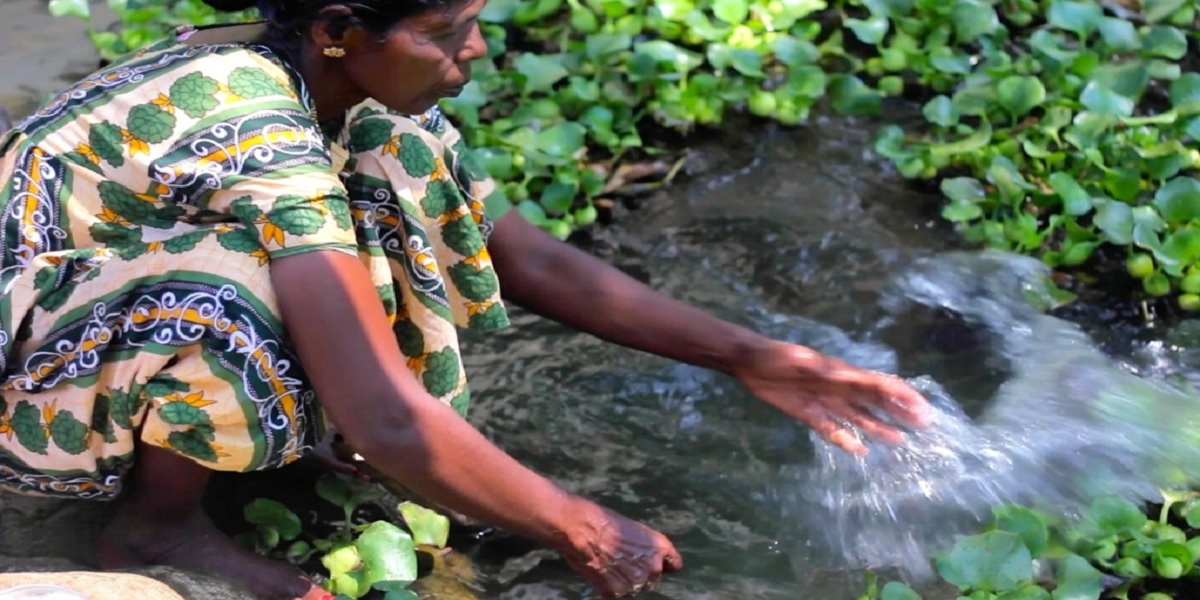
In a state long hailed for its robust public health system, the worrying surge has raised questions.
Synopsis: Kerala has reported a sharp surge in leptospirosis in 2025, with 3,259 confirmed cases and 209 deaths so far. Even as the disease remains largely preventable through early detection and timely use of doxycycline, health workers say gaps in prevention and follow-up, including the prolonged ASHA workers’ protest and strain on frontline services, have affected disease control.
As of 5 December, Kerala has recorded 3,259 confirmed cases of leptospirosis and 209 deaths in 2025, according to the State Health Department.
Among the worst-affected districts, Ernakulam reported 492 cases with 30 deaths, while Thrissur recorded 340 cases and 36 deaths, the highest in terms of fatalities. Thiruvananthapuram tops the list in terms of infections, with 583 confirmed cases resulting in 15 deaths.
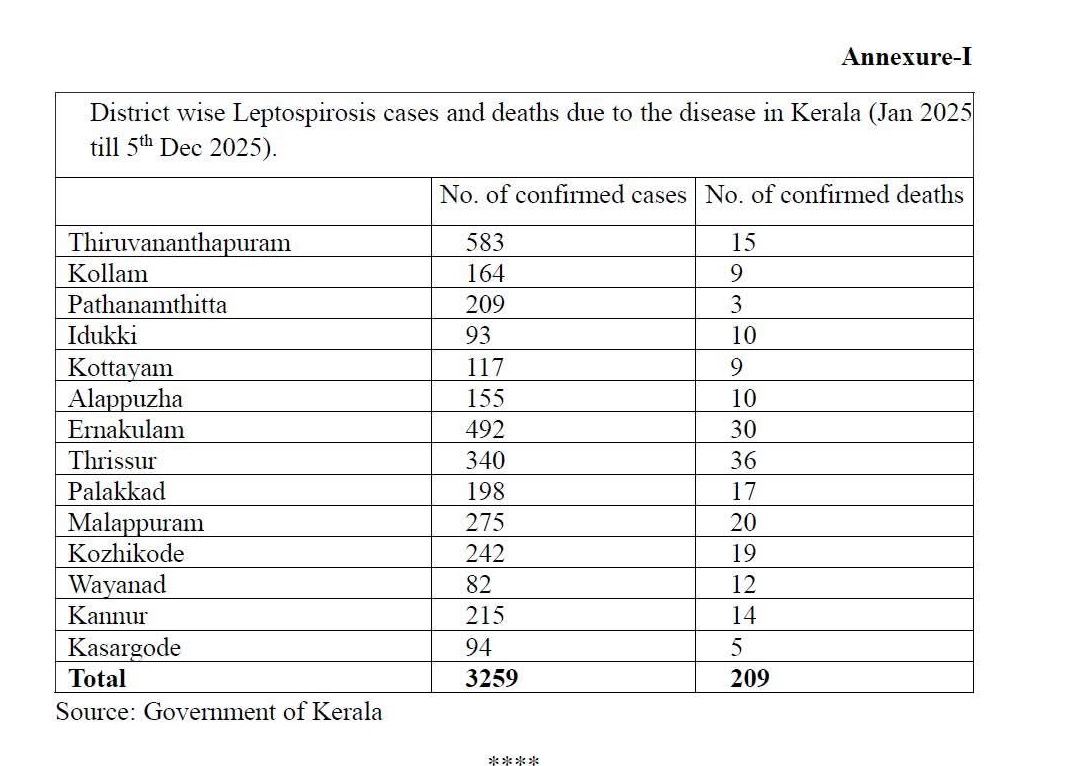
Source: Health department, Kerala
Other districts witnessing a significant impact include Malappuram with 275 cases and 20 deaths, Kozhikode with 242 cases and 19 deaths, Palakkad with 198 cases and 17 deaths, and Kannur with 215 cases and 14 deaths. Districts such as Wayanad, Idukki and Kasaragod have reported relatively fewer cases but have still seen fatalities.
In a state long hailed for its robust public health system, the worrying surge has raised questions about how Kerala, which once managed to keep the disease in check, has witnessed such a spike.
It has also drawn attention to the months-long protests by Accredited Social Health Activists (ASHAs) and other frontline health workers demanding fair wages, and the role this may have played.
Health workers on the ground, in conversations with South First, pointed to a system that is strained, under-resourced and, at times, overlooked.
Leptospirosis spreads through water and soil contaminated by the urine of infected animals, making early detection and timely treatment crucial to preventing fatalities.
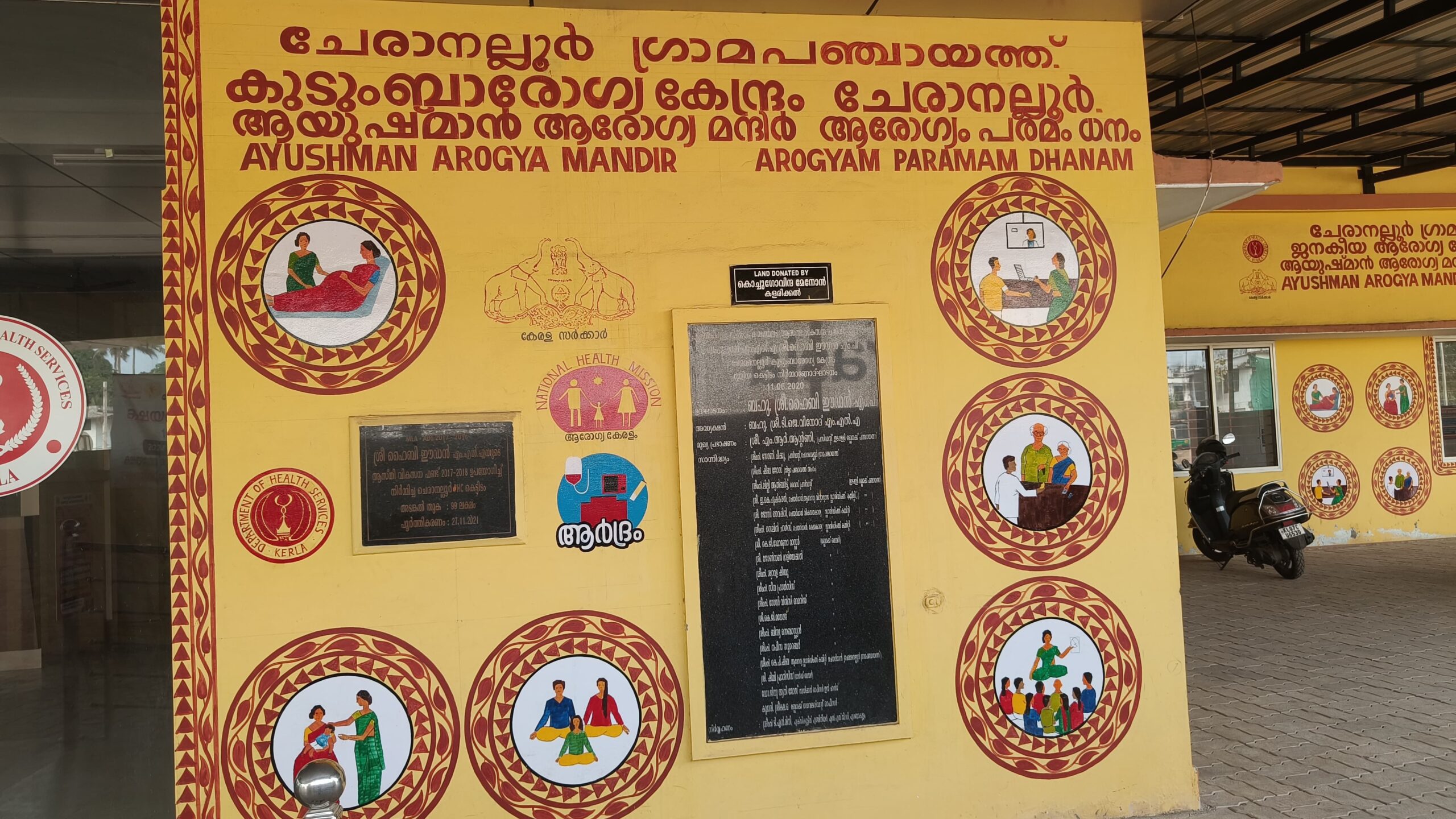
PHC, Cheranalloor
MGNREGA workers, sanitation staff, rescue workers, fishermen, Haritha Karma Sena members and children frequently exposed to waterlogged areas are among those categorised as high risk.
Health authorities have urged residents, especially those in waterlogged and flood-prone areas, to remain vigilant. The government continues to monitor the situation closely.
Doxycycline is available free of cost at all government hospitals and health centres in Kerala when prescribed as a preventive measure against leptospirosis.
The State government routinely distributes the drug, especially during the monsoon and post-flood periods, to people at high risk of exposure to contaminated soil and water.
Sreedevi Vipin, an ASHA worker from Cheranalloor panchayat in Kochi, explained how prevention works at the ground level.
“We regularly distribute doxycycline to people who fall under the high-risk category. In our area, fishermen, people living close to water bodies and Haritha Karma Sena members are especially vulnerable. I usually distribute the tablets twice a week and personally record the intervals in my diary. After a few weeks, if they remain stable, we stop the medication,” she told South First.
Sreedevi added that every beneficiary’s name, occupation and location are meticulously recorded in the primary health centre’s register to ensure future follow-up.
“Since we work at the ground level, we know exactly who is at risk,” she said.
“Earlier, I used to chlorinate household wells myself. Now we train families so they can chlorinate their own wells and water sources. This empowerment has made a big difference. Groundwork is crucial in reducing leptospirosis cases. Early identification, consistent follow-up and awareness save lives.”
Sheeja (name changed), an ASHA worker from Kollam district, was among those who actively participated in the prolonged ASHA workers’ protest outside the State Secretariat in Thiruvananthapuram, which lasted 265 days between February and late October, demanding a ₹21,000 monthly honorarium and retirement benefits.
Sheeja explained that ASHA workers usually play a critical role beyond medicine distribution, and their prolonged absence on the ground had an impact.
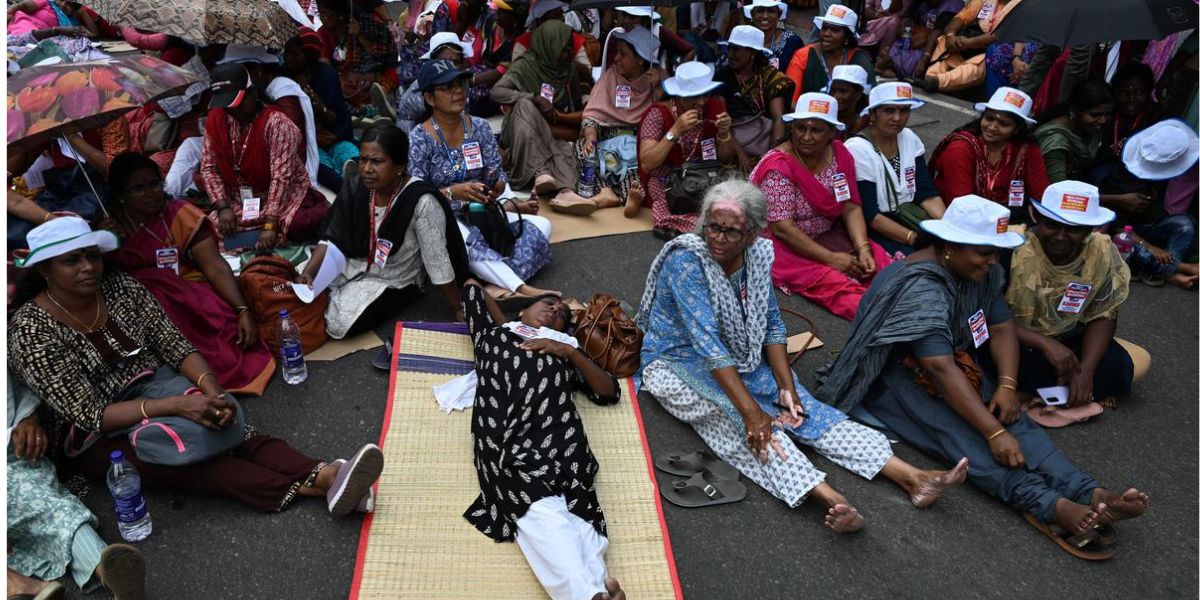
ASHAs protesting in Thiruvananthapuram (X).
“Many lapses happened during the strike period. Most of us were travelling to Thiruvananthapuram for the agitation, which meant only a handful of workers were left to manage entire wards. Follow-ups were missed, and sometimes doxycycline distribution was delayed. That could have contributed to the data,” she said.
“When we visit homes, we give awareness, distribute notices, and maintain a constant connection with families. For a few months, that link was disrupted due to unavoidable circumstances.”
Sreedevi noted that community-based digital platforms helped bridge some of these gaps.
“The Shraddha WhatsApp groups were extremely useful. We used them to spread awareness, share updates, and stay connected with residents. We also conduct regular classes at anganwadis on disease spread, symptoms and prevention,” she said.
As early as July, when Kerala usually faces its worst public health pressures, Leader of the Opposition in the Kerala Assembly VD Satheesan had raised a red flag.
Citing reports from government hospitals and medical colleges, he warned of an acute shortage of medicines across medical colleges and government hospitals.
He also referred to the health minister’s statement that government hospitals were unable to procure medicines as fast as private hospitals.
He noted that the shortage had been continuing for the last two to three years and that, despite the issue being raised repeatedly, the government had failed to take corrective steps, citing a financial crisis.
Instead of resolving the issue, he alleged, the government had limited itself to justifications and PR exercises. However, staff at PHCs in Ernakulam district told South First that doxycycline was never out of stock.
South First could not independently verify these claims, since there is still no official, publicly available data on medicine stock levels.
Meanwhile, the State Health Department has carried out drives to assess medicine quality and has banned several substandard drugs, including certain ayurvedic medicines.
The Union Health Ministry, through the National Centre for Disease Control (NCDC), is rolling out the Programme for Prevention and Control of Leptospirosis (PPCL) across 12 States and two Union Territories identified as endemic to the disease.
Kerala is among the key States covered under the initiative, along with Gujarat, Tamil Nadu, Maharashtra, Karnataka, Uttar Pradesh, Assam, Goa, Punjab, Odisha, Andhra Pradesh and West Bengal.
The programme also extends to the Union Territories of Andaman and Nicobar Islands and Dadra and Nagar Haveli and Daman and Diu.
Under the PPCL, the Centre has focused on strengthening surveillance and response systems. Measures include training healthcare professionals at the State and district levels, sensitising private doctors through continuous medical education programmes, conducting annual hands-on laboratory training and upgrading public health laboratories.
As part of the National One Health Programme for the Prevention and Control of Zoonotic Diseases, 75 sentinel surveillance sites have been set up across the country, five of them in Kerala.
However, on the ground, frontline workers say changing urban conditions are posing fresh challenges. Manoj T, a sanitation worker from Ernakulam, told South First that monsoon preparedness and follow-up measures were earlier more effective.
“During the rains, health workers would regularly reach out to us and provide doxycycline tablets. There was proper monitoring and care. Rainfall has also become unpredictable. We no longer know when heavy rain will arrive,” he said.
Fire and rescue personnel involved in rescue operations echoed similar concerns but said precautions were being followed.
Several firefighters said they used protective gear such as boots and gloves to minimise exposure and adhered strictly to doxycycline prophylaxis as advised by health authorities.
(Edited by Dese Gowda)


