

Published Apr 16, 2026 | 2:03 PM ⚊ Updated Apr 16, 2026 | 2:03 PM

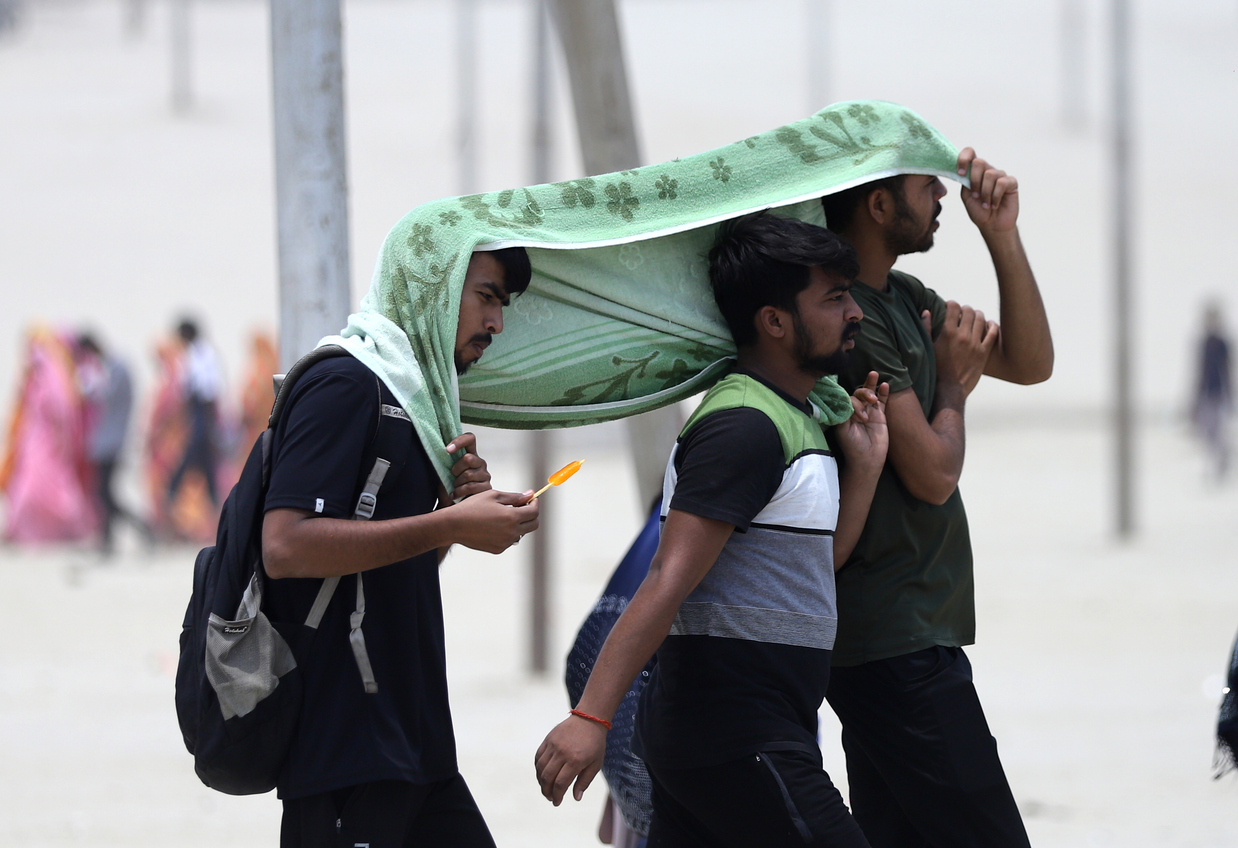
Representational image. Credit: iStock

Synopsis: Karnataka is set for a hotter summer in 2026, with IMD predicting temperatures 1.6–3 °C above normal. North interior districts may cross 40 °C, while Bengaluru could hit 37 °C. Experts cite global warming, heat island effects, and reduced vegetation. Authorities urge precautions like hydration, avoiding midday sun, and light meals, as heatwaves threaten health and livelihoods.
Karnataka could see a hotter summer in 2026 as compared to 2025, according to weather experts, with the Indian Meteorological Department (IMD) already giving warnings that parts of the state, especially the north and south interiors, would see temperatures 1.6°C to 3°C above normal, with Bengaluru recording 37°C.
In 2025, the IMD had noted that the north interior regions of Karnataka recorded maximum temperatures of 41°C to 45°C, while coastal Karnataka recorded maximum temperatures below 36°C.
Chanabasanagouda S Patil, Senior Scientist at IMD, Meteorological Centre in Bengaluru attributed the rise in heat intensity to factors including anti-circulation, global warming, the state’s geography and topography, and vegetation coverage.
He also noted that the heat island effect – wherein developed areas experience higher temperatures than nearby rural areas due to human activities, infrastructure, and reduced vegetation – also plays a key role in the increase in intensity of heat in 2026 as compared to 2025.
Also Read: A summer of fevers and rashes: Why chickenpox cases are increasing in Chennai
A heatwave, according to the World Health Organization, is defined as five or more consecutive days when the daily maximum temperature exceeds the average minimum temperature by 5°C. The Organization also defines a hot day as one in which the maximum temperature reaches 40°C and is at least 5°C above the normal maximum.
Dr. N Puviarasan, Head of the Meteorological Center in Bengaluru told South First, “During hot and humid conditions, the temperatures will not only hover above the normal temperature, but also see an excess of humidity. This will result in dehydration, exhaustion and weakness.”
Districts such as Dharwad, Haveri, Ballari, and Vijayanagar are set to experience four days of heatwaves and hot days, according to Patil.
The IMD also noted that these regions in north interior Karnataka are set to reach temperatures above 40°C. However, this heat might also be accompanied by summer showers and gusty winds.
The heat has intensified in other regions of Karnataka as well, with Kalaburgi reaching 41.6°C, and districts such as Gadag, Raichur, Vijayapura, and Yadgir crossing 40°C, thereby signaling heatwave-like conditions across the Kalyana Karnataka region.
Patil told South First that districts including Bidar, Raichur, Kalburgi, and Vijayapura are likely to experience heatwave conditions till 20 April. It has been recorded that intense heat starts at 8:30 AM and continues into the evening, disrupting the daily lives of the locals. Increased humidity and temperatures have made outdoor work difficult, severely affecting street vendors and daily wage workers.
In coastal Karnataka, temperatures have reached 34.7°C and are expected to rise further. Patil also emphasised that coastal Karnataka, Uttara Kannada, Udupi, and Dakshina Kannada are expected to experience hot and humid conditions.
The IMD has also recorded that “hot and humid weather conditions” are likely to prevail in coastal Karnataka during 14 to 16 April, and heatwave conditions are likely in isolated parts of north interior Karnataka during 15 to 17 April.
In their long-range forecast in February, IMD also reported that Karnataka could face six days of two heatwave periods in April and May.
Patil said that “very isolated places in north and south interior Karnataka and coastal Karnataka have chances of rainfall with thunder and lightning and sometimes strong gusty winds reaching 30 to 40 kmph, and covering less than 25 percent of the area.”
In a study conducted by the Centre for Study of Science, Technology and Policy, the Heatwave Health Risk Index was measured for Karnataka.
According to this study, southern districts, including Bengaluru (Urban) and Bengaluru (Rural), fall into the moderate-risk category for heatwaves. Such risk has been attributed to factors including poor green cover, high population density, and a high number of people with disabilities.
Summer in Bengaluru usually lasts from March to May. The normal temperatures recorded are 33.4°C, 34.1°C, and 33.1°C, in March, April, and May, respectively. However, over the past decade, temperatures have risen beyond these normal levels.
For instance, in 2024, several days in April recorded temperatures above 36°C, with the maximum reaching 38.5°C on 29 April, 2024. Early May 2024 also saw temperatures above normal, with a high of 38.2°C.
In his study “Urban heat island linkages with the landscape morphology”, ecologist T.V. Ramachandra has linked increasing temperatures in Bengaluru to “spatial expansion in the mid-2000s with the formation of the Greater Bangalore (BBMP) by including adjacent rural landscapes, which led to the conversion of agricultural land to paved areas.”
Also Read: Why do heart attacks rise during extreme summer? Doctors explain
Patil said, “heatwave is a silent killer, hazardous for health, and people can get very tired, because of which precaution is very much required this summer.”
In light of IMD’s predictions and warnings, the Deputy Commissioners of the districts affected by heatwaves have warned the public not to step out between 12 PM and 4 PM to avoid strenuous work (including agricultural work). Dr. Puviarasan also added that “people in heatwave areas should avoid working under direct sunlight. Prefer cotton dress and hydrate regularly and keep body cool.”
The United Nations Children’s Fund (UNICEF) has outlined steps to ensure safety during a heatwave. It has been suggested that people do not step out of their houses during the hottest time, and if one must go out, to wear sunscreen and try to stay in the shade or use hats or umbrellas for protection.
They have also suggested that people close their curtains during the hottest part of the day and open them at night to let the house cool down, and that they drink water at regular intervals, even before they are thirsty.
The National Institute of Disaster Management (NIDM) reiterates the UNICEF’s measures, while also suggesting that people use protective goggles, cover their heads with a cap or towel, and always wear shoes or chappal.
They have also suggested that people consume light meals and water-rich fruits, such as melons, cucumbers, and citrus, as well as homemade beverages like lemon water, juices, and buttermilk. However, it has been advised to avoid high-protein foods such as meat and nuts, as they increase metabolic heat production.
Priyank Kharge, Minister of Rural Development and Panchayat Raj of Karnataka, has stated that the government has formulated a heatwave action plan and that all district administrations have been instructed to follow guidelines set in collaboration with the Indian Institute of Science.
Karnataka government has also directed all primary health centers to be medically and infrastructurally prepared to treat patients vulnerable to heat.



