

Published Feb 05, 2026 | 8:13 PM ⚊ Updated Feb 05, 2026 | 8:13 PM

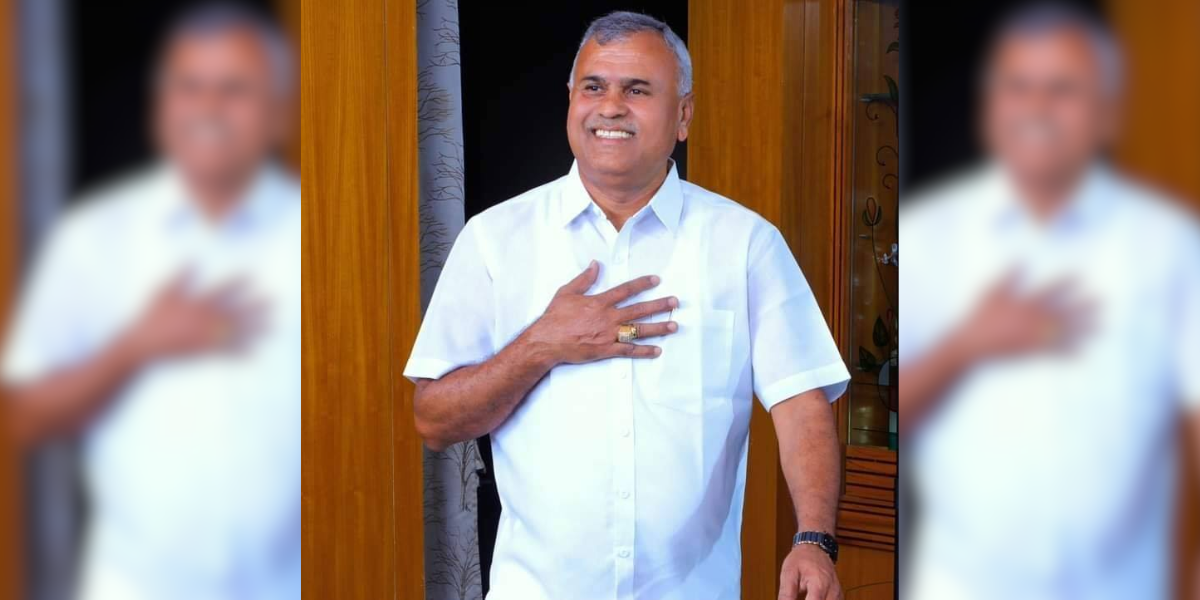
Malur MLA KV Nanjegowda. (Facebook)
Synopsis: The top court set aside the Karnataka High Court’s 2025 judgement that had nullified the MLA’s victory, citing irregularities during the original counting. It noted that even after the recount of the votes, Nanjegowda secured 250 more votes than his opponent KS Manjunath Gowda from BJP.
The Supreme Court on Thursday, 5 February, upheld the election of Congress leader KY Nanjegowda from Malur constituency in the 2023 state assembly elections.
The top court set aside the Karnataka High Court’s 2025 judgement that had nullified the MLA’s victory, citing irregularities during the original counting. It noted that even after the recount of the votes, Nanjegowda secured 250 more votes than his opponent KS Manjunath Gowda from BJP.
“That being so, the election of the candidate from Malur remains unaffected even after compliance of direction of recounting of votes issued by the High Court. Consequently, we allow this appeal, to the extent that the impugned decision of setting aside the election of appellant is set aside and the election of the appellant from Malur is upheld,” the Court observed.
During the 2023 assembly election, Nanjegowda won by a margin of 248 votes against BJP candidate KS Manjunath Gowda. The BJP candiate later filed the election petition in the High Court seeking recount of the votes, alleging irregularities.
The High Court, while setting aside the election, ordered a recount of the votes and a fresh declaration of results. Challenging the High Court’s verdict, Nanjegowda appealed to the Supreme Court. The Supreme Court, while admitting the appeal in October last year, had directed the Returning Officer to submit the result after recounting in a sealed cover.
According t0 the Livelaw, the court also set aside the High Court’s direction to the Election Commission of India to the District Election Officer for not furnishing the video recordings. The Court further clarified that it is not expressing any opinion on whether the requirement of video recording of the counting process is mandatory or not.
(Edited by Sumavarsha, with inputs from Anisha Reddy)


