

Published Apr 28, 2026 | 11:23 AM ⚊ Updated Apr 28, 2026 | 11:23 AM

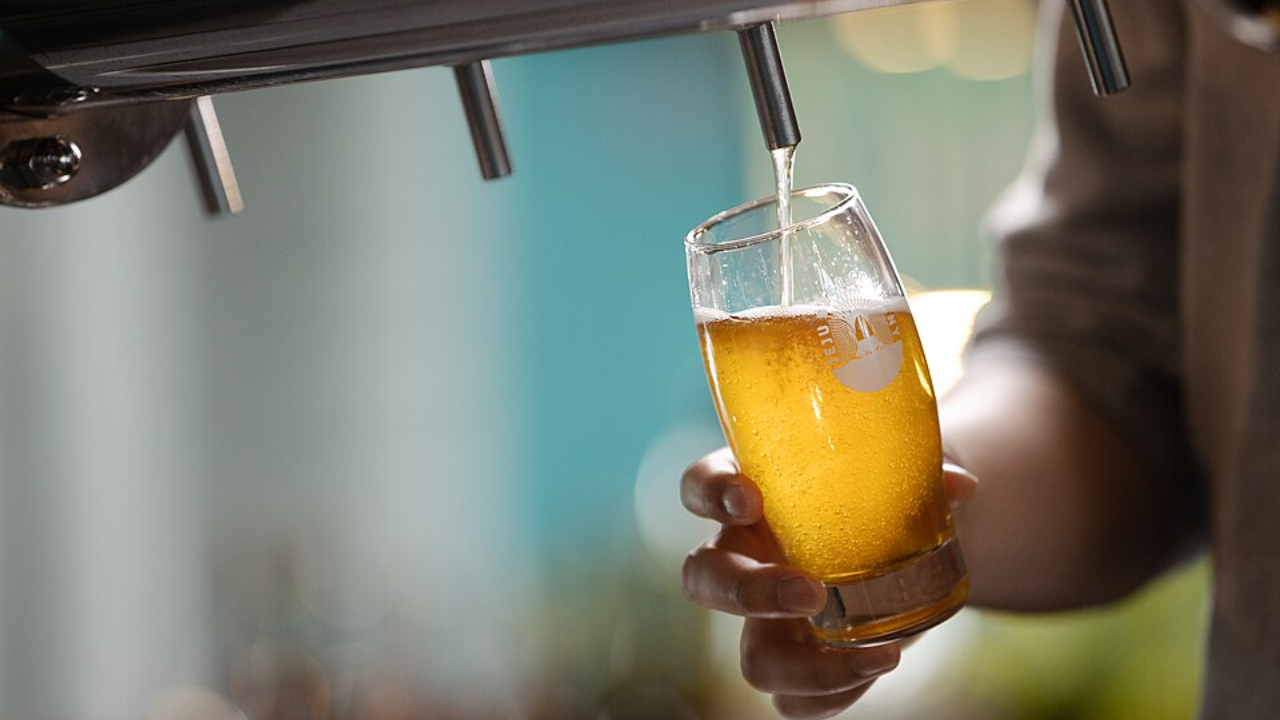
Representational image. Credit: Wikimedia Commons

Synopsis: Karnataka plans to amend brewery rules, dropping mandatory sugar disclosure on beer labels. Industry hails relief from costly state-specific labelling, citing sales slumps, while health experts warn of reduced consumer transparency amid high alcohol consumption. The move highlights tension between excise revenue and public health, with critics stressing the need for stronger national labelling standards.
The Karnataka government has moved to amend the Karnataka Excise (Brewery) Rules, 1967, dropping a requirement that compels beer manufacturers to declare sugar content on their cans and bottles.
A draft issued by the finance department on 10 April proposes the change. Once published in the official gazette, brewers will no longer need to disclose sugar content on labels.
The move has split opinion between the brewing industry, which welcomes it, and health experts, who warn it rolls back consumer transparency at a time when the state already struggles with concerning alcohol consumption patterns.
The excise department had directed brewers that sugar, if used as a raw material, must not exceed 25 percent of the total weight of malt and must appear on the label alongside other ingredients.
The directive aimed to keep consumers informed about what they drink, particularly given that a large share of drinkers are young people. Karnataka stood alone among Indian states in imposing this requirement, and it never aligned with FSSAI norms, which do not mandate such disclosure.
Through the proposed amendment, this mandate disappears from the section governing liquor prepared from malt or grain.
Also Read: Explained: How Karnataka’s new liquor tax system based on alcohol strength will work
Vinod Giri, director general of the Brewers Association of India, told South First that the government acted correctly.
“It is a good thing that the government is already taking steps to change it back in the way it was, even if it might lead to some smaller pains for brewers,” Giri said.
Because the rule existed only in Karnataka, brewers had to maintain a separate label inventory for the state, a cost burden that affected smaller manufacturers disproportionately. Finance Secretary Ritesh Kumar Singh confirmed the change addressed a long-standing industry demand.
Beer sales data gave the government reason to act. Karnataka Excise Minister RB Thimmapur stated that beer purchases fell 19.55 percent, with 195.27 lakh cases sold until the end of September 2025, a drop of 47.46 lakh cases compared to the same period in 2024.
In March 2026, the government acknowledged a further 14.59 percent decline and pointed to a new excise policy in Andhra Pradesh and heavy rains in certain districts.
Beer manufacturers, however, squarely attribute the slump to the sugar disclosure rule itself, arguing that visibility of sugar content deterred buyers. The government appears to have found that argument persuasive enough to act.
Health experts argue the amendment removes a tool that helps consumers make informed choices, and the timing raises questions given what surveys reveal about drinking habits in the state.
Dr R Anantharaman, DM Endocrinology at Magna Centres for Obesity, Diabetes, and Endocrinology in Bengaluru, told South First that harm comes primarily from alcohol itself rather than sugar, but maintained that disclosure still serves a purpose.
“Giving information about sugar content will raise awareness,” he added.
He also pointed out that labelling regulations for alcohol sit outside the FSSAI’s remit, leaving each state to handle them differently, which produces an uneven regulatory landscape across the country. He called for the FSSAI to take over such labelling and draw on best practices from other countries, including nutrient and calorie declaration rules in the European Union.
Priya Nagwani, a nutritionist and certified weight management coach based in Mumbai, went further and said, “Hiding sugar content is not a good idea, it is like hiding important information from people”.
Nagwani explained that higher sugar levels improve the taste of alcoholic drinks, which can pull first-time drinkers into patterns of higher consumption. Added sugar raises calorie intake, triggers blood glucose spikes followed by crashes, and drives people to eat more.
The combination of better taste and increased hunger, she argued, pushes consumption upward in ways that consumers cannot guard against if they cannot read what is in the bottle.
“It is definitely not recommended. We are working on a movement where you have to read labels. They must put it on the labels, make it clear, and let people make choices,” she said.
Also Read: Think one drink is safe? ‘Just 9 grams of alcohol daily can raise mouth cancer risk by 50%’
The proposal arrives against a backdrop that makes the health argument harder to dismiss.
The National Family and Health Survey-5 (2019-2021) found that one in six men in Karnataka consumes alcohol, with rural populations drinking more than urban ones. Data shows 16.6 percent of males in households above the age of 15 consume alcohol.
The Survey on Household Consumption Expenditure (2023-2024) by the Ministry of Statistics and Programme Implementation reveals a pattern that cuts deeper.
Monthly per capita expenditure on pan, tobacco, and intoxicants in rural Karnataka stands at Rs 206.21. This exceeds what rural households spend on pulses (Rs 99.33), fresh fruits (Rs 159.17), dry fruits (Rs 74.02), and spices (Rs 157.97). Rural consumers also spend less on healthcare, with Rs 134.03 going to hospitalisation and Rs 163.60 to non-hospitalisation expenses, both below what they spend on intoxicants.
Urban Karnataka follows a similar pattern. The data points to a population already making trade-offs that favour alcohol over nutrition and healthcare. Removing a disclosure that could prompt even a moment of hesitation at the point of purchase sits uncomfortably against that picture.
The government faces a genuine tension. The brewing industry operates within a legal framework, employs thousands, and generates significant excise revenue for the state. A rule that no other state applies and that sits outside FSSAI guidelines places Karnataka brewers at a structural disadvantage.
But the public health case for transparency does not weaken because the industry finds disclosure inconvenient. If sugar content on a label deters consumption, that may be precisely the outcome a responsible regulatory framework should seek, not reverse.



