


Published Mar 25, 2026 | 7:16 PM ⚊ Updated Mar 25, 2026 | 7:16 PM

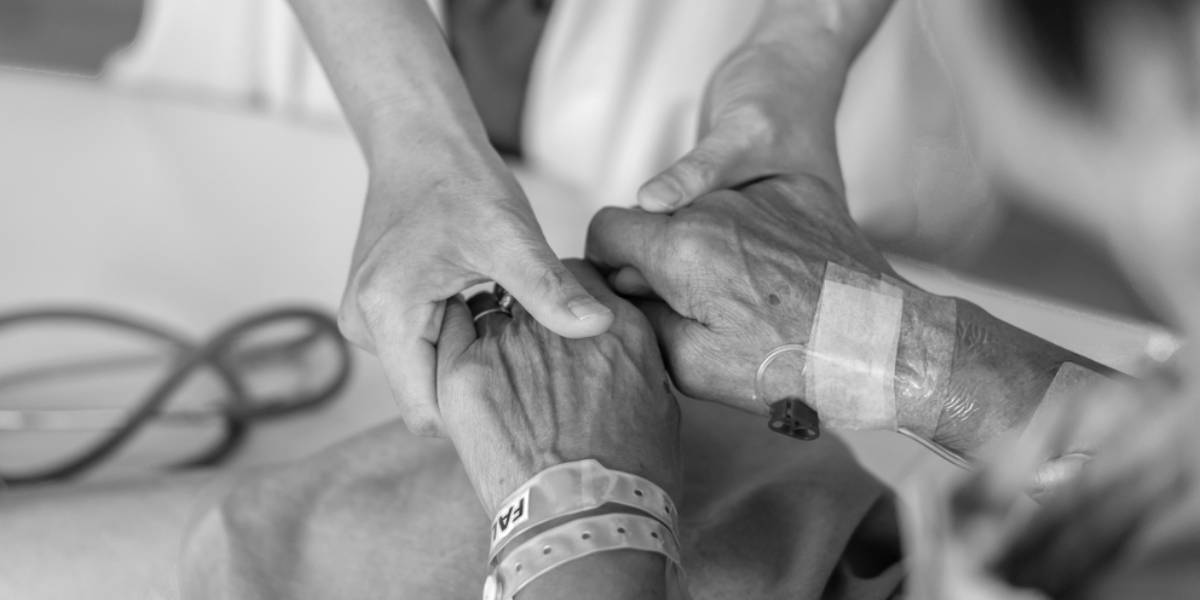
The Kerala model includes home-based care, and outpatient and inpatient services across different levels of the health system.
Synopsis: Karnataka has set up a State-Level Technical Advisory Committee for palliative care to guide policy, expand services and improve access for patients with serious and life-limiting illnesses, while drawing on Kerala’s home-based, community-led model. The committee will help draft and implement a state policy, set standards and integrate palliative care across primary, secondary and tertiary levels, while also advising on access to essential pain relief drugs and coordination across departments.
Karnataka has constituted a State-Level Technical Advisory Committee (TAC) for palliative care, a step to build these services into the public health system.
Palliative care, though often neglected in mainstream health planning, aims to improve the quality of life of patients with end-of-life and chronic illness, and their families, by addressing pain and other physical, psychological and social distress.
The government order, dated 23 March, says the committee will guide the planning, implementation and monitoring of palliative care services across Karnataka, as the state seeks to improve access, availability and quality of care for patients with serious and life-limiting illnesses.
The order says Karnataka also plans to learn from successful models in other states, especially Kerala, where a public health and community-supported approach has helped take palliative care beyond hospitals into homes and local communities.
The Kerala model, cited in the order, includes home-based care, and outpatient and inpatient services across different levels of the health system, backed by trained community volunteers and digital support systems.
Kerala’s palliative care model is often held up as one of the country’s most practical and humane approaches because it moved care beyond hospital walls and closer to where patients live. Instead of treating palliative care as a service available only in a few specialist centres, the state built it around home-based support led by the primary health system, with trained community workers and volunteers playing a regular role in patient care.
The roots of this approach lie in the Neighbourhood Network in Palliative Care, a community-driven initiative that showed how local participation could widen access to care for people with serious and life-limiting illness. Over time, the state did not leave the model as a standalone experiment but absorbed it into policy, with Kerala’s 2008 policy giving importance to home-centric care and the 2019 policy reinforcing and expanding that approach.
What makes the Kerala model especially striking is that it is not limited to one level of care but is designed as a layered system that works from the ground up. At the primary level, palliative care begins in the community itself, with home visits and day-to-day support provided by health workers and trained volunteers.
At the secondary level, Community Health Centres are expected to offer dedicated palliative care services and beds, giving patients a place to seek more structured clinical support when needed. At the tertiary level, district hospitals and medical colleges are meant to house specialised palliative care units, ensuring more complex cases can be referred upward within the same system. This tiered structure creates continuity, so patients are not left to navigate serious illness on their own between hospital discharge, home care and follow-up treatment.
Equally important is that Kerala’s model treats palliative care not just as a medical responsibility but as a shared social one. Local self-government bodies, NGOs, community-based organisations and volunteers are woven into the system, working alongside formal healthcare institutions rather than outside them. This wider community ownership is one reason the model has reached more people.
Kerala has also paid sustained and often much-needed attention to pain relief, especially access to morphine and other essential narcotic drugs, which remain a major gap in many parts of India. The 2019 policy stresses the need for clear protocols, proper training, and the inclusion of oral and injectable morphine in the essential drug list, while ensuring trained doctors at hospitals and primary health centres can prescribe and manage these medicines safely.
In effect, the Kerala model is not only about compassionate care, but about building a system that makes such care consistently available, medically backed and locally supported.
The committee will be chaired by Dr Raj Kumar Khatri, a retired IAS officer and former Additional Chief Secretary. Its members include the Director of Health and Family Welfare Services, the Deputy Director for Non-Communicable Diseases, and the Deputy Director for Mental Health.
The expert members named in the order are Dr Anuradha Ganigara of the Indira Gandhi Institute of Child Health, Dr Yadhuraj Gowda of the Kidwai Memorial Institute of Oncology, Dr Rajani Surendra Bhat of Sparsh Hospitals, and Dr Nandini Vallath of St John’s Medical College Hospital.
Appreciating the state government’s move, Dr Anuradha Ganigara, a paediatric palliative care physician at IGICH, told South First, “Paediatric palliative care is an essential part of child health services, especially for children with life-limiting or life-threatening conditions. She pointed out that globally, around 10.6 million children aged 0–19 live with serious health-related suffering requiring palliative care, with 96% of them in low- and middle-income countries like India.”
She explained that in Karnataka, where nearly one-third of the population is below 18, children identified through programmes such as RBSK for developmental disabilities, congenital diseases, chronic illnesses and nutritional disorders could benefit from symptom management, developmental support, caregiver training and psychosocial care.
Dr Anuradha said Karnataka has very few centres for paediatric palliative care, and the service is still not integrated into government hospitals, district hospitals or PHCs. As a result, many children continue to face unmanaged pain, repeated hospital admissions and prolonged ICU care.
Integrating paediatric palliative care into the government system, she said, would improve quality of life, reduce avoidable hospitalisation, support families in caregiving and decision-making, and make healthcare delivery more compassionate and cost-effective.
Meanwhile, one representative from a recognised NGO working in palliative care will also be included. The order lists organisations such as OBLF, Pallium India, Saranam, Swami Vivekananda Youth Movement and Karunashraya Trust as possible representatives.
The committee’s mandate goes beyond advisory symbolism. It has been tasked with helping the government prepare, implement and review a State Palliative Care Policy and related guidelines. It will also recommend standards, treatment protocols and service delivery models for palliative care at primary, secondary and tertiary levels.
The panel will also advise the government on policy coordination across departments, including the procurement, storage and use of Essential Narcotic Drugs, which are central to pain relief in palliative care but often remain difficult to access.
It will also guide the integration of palliative care into existing state and national health programmes, including the Non-Communicable Diseases Programme, and review state and district-level action plans for expanding services.
The committee has also been asked to advise on infrastructure, human resources, training and referral systems, while periodically reviewing service coverage, the availability of essential medicines and the overall quality of care.
The order says the panel will also recommend monitoring and evaluation systems and promote research, documentation and the sharing of best practices in palliative care.
The move comes as public health experts have repeatedly pointed to gaps in palliative care services for patients with cancer, advanced organ disease, neurological disorders and other serious conditions, particularly outside major urban centres.
For Karnataka, the formation of the committee could mark the beginning of a more coordinated approach to a field that has long remained under-prioritised despite the growing burden of chronic and life-limiting illness.
(Edited by Dese Gowda)


