

Published Dec 16, 2025 | 8:00 AM ⚊ Updated Dec 16, 2025 | 8:00 AM

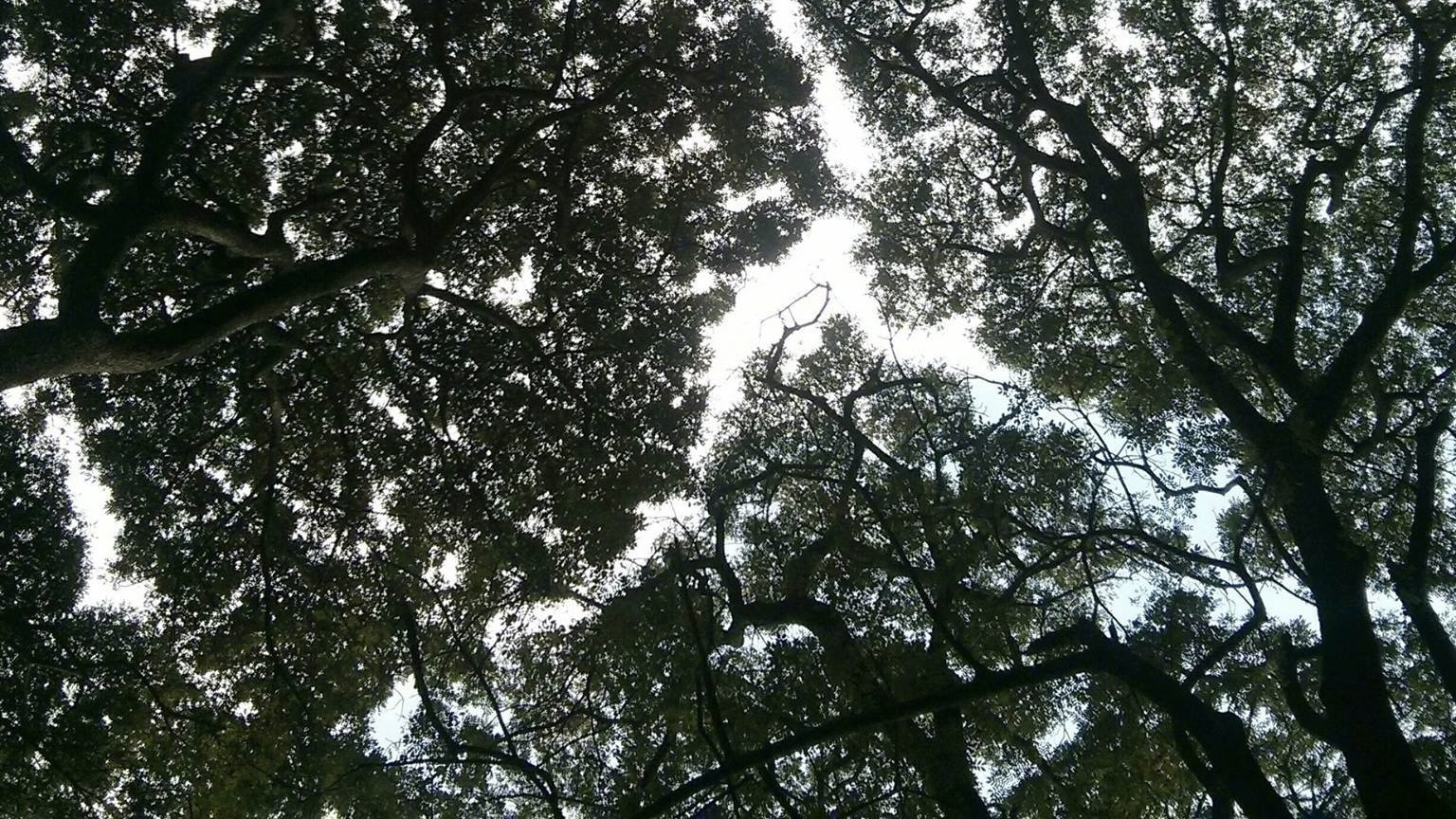
The area is reported to host an estimated 368 trees, classified into around 44 species.
Synopsis: The Karnataka government has withdrawn its notification declaring 8.61 acres of green cover in the Cantonment Railway Colony in Bengaluru a Biodiversity Heritage Site, less than three months after granting the status. The forested land, home to more than 360 trees across several species, is now reportedly set to be used for the construction of three commercial towers. Conservationists have warned that the move will worsen Bengaluru’s environmental stress.
Less than three months after declaring 8.61 acres of forested land in the Cantonment Railway Colony in Bengaluru as a Biodiversity Heritage Site, the Karnataka government has revoked the order.
“The Government notification dated 9 September 2025, which declared an 8.61 acre green area with 371 trees adjacent to the Railway Cantonment Station in Bengaluru as a Biodiversity Heritage Site under the powers conferred by Section 37 of the Biological Diversity Act (BDA), 2002, is hereby withdrawn with immediate effect,” said a government notification dated 6 December, revoking the earlier notification.
While issuing the original order, the government had said the space played a critical role in filtering the city’s air and noise pollution, especially around the busy Cantonment Railway Junction, which sees heavy vehicle movement from all sides.
The area also has heritage value, as it is believed to be one of the venues of MK Gandhi’s addresses in the city.
The area is reported to host an estimated 368 trees, classified into around 44 species. They include paper mulberry, which dominates with 180 specimens, followed by 41 mango trees, 27 rain trees and 11 jackfruit trees, according to a list placed before the Tree Expert Committee for verification.
The land will now be utilised for the construction of three commercial towers with a total built-up area of nearly three lakh square feet, according to reports.
It has reportedly been leased by the Rail Land Development Authority (RLDA) to Bagmane Texworth Private Ltd for a period of 60 years.
Earlier this year, on 25 April, the now-defunct Bruhat Bengaluru Mahanagara Palike issued a notice announcing that the RLDA had applied to remove 368 trees in the area for commercial activity. Following the public notice, the proposal drew strong opposition from environmentalists, tree lovers and members of the public.
Environmental Conservationist Vijay Nishanth pointed to the worsening air quality in the national capital and said developments such as these would lead Bengaluru on a similar path.
“We will hand over a memorandum to the urban forest officials to not chop any single tree. This is an example to tell people that such things happen. It is on record and the politicians are exposed. It is not a good message and this is not over, we have got to fight,” he told South First.
Nishanth said the Indian Railways is considered a “State” under Article 12 of the Constitution of India and is bound by the Public Trust Doctrine, as affirmed in the landmark case of MC Mehta vs Kamal Nath and Ors.
“The doctrine posits that the government (the sovereign) holds certain natural resources (like air, water, forests, and rivers) in trust for the free and unimpeded use of the general public,” he said.
“The government, as a trustee, has a legal duty to protect these resources and cannot transfer them to private ownership for commercial use unless it is for genuine public good and interest.”


