

Published Dec 21, 2025 | 8:00 AM ⚊ Updated Dec 21, 2025 | 8:00 AM

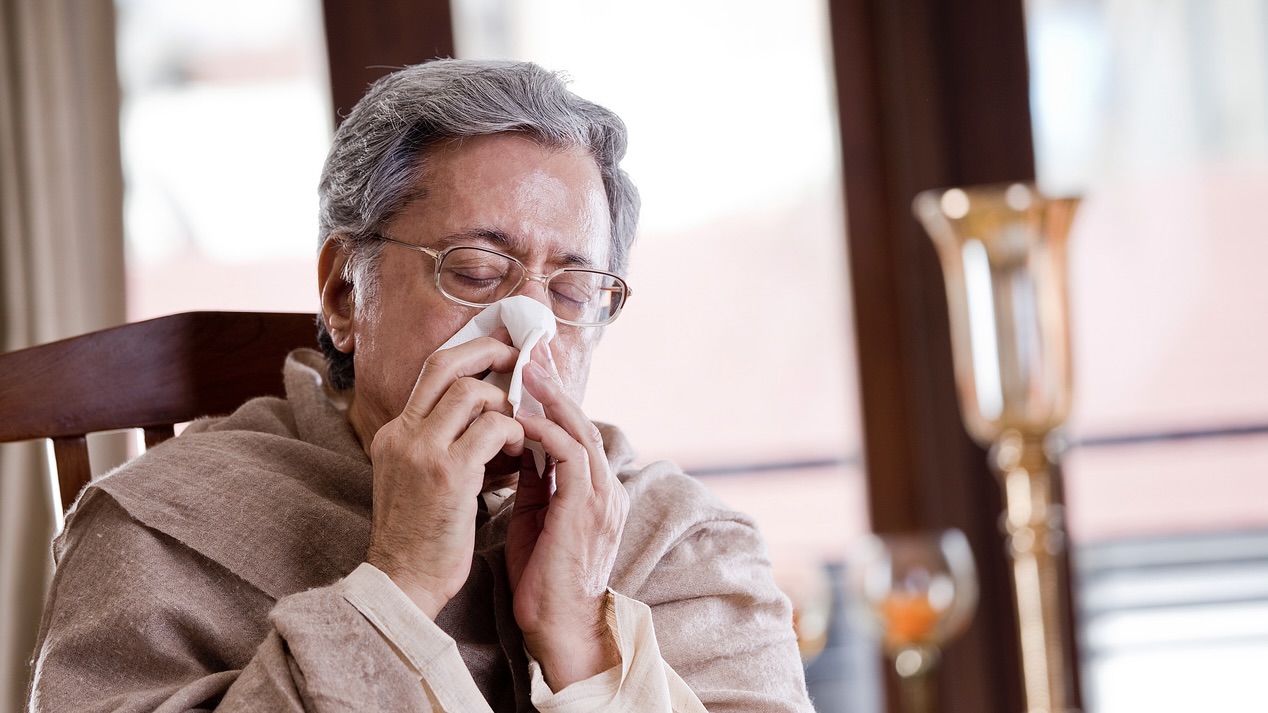
Seasonal influenza is linked to higher rates of hospitalisation for heart attacks and strokes.
Synopsis: The Karnataka government’s health department has put its healthcare infrastructure across the state on alert mode, be prepared against seasonal influenza and has advised the general public to be aware.
The Karnataka State Health and Family Welfare Department has directed all districts to be prepared for an “upcoming seasonal influenza surge” during January–March 2026.
The advisory came amidst temperatures dipping across Karnataka due to an interplay between global La Nina conditions, synoptic advection from the Siberian High and nocturnal radiative cooling.
Linking the advisory to the winter season, the circular asked all districts to initiate response measures “without delay, as an influenza surge is expected in the coming weeks.
The circular directed all districts to immediately augment surveillance, testing, hospital preparedness and public awareness measures ahead of January.
Seasonal influenza (seasonal flu) is a viral disease that spreads mainly through droplets when an infected person coughs or sneezes. It also spreads via contaminated surfaces, the circular noted.
While the illness is usually self-limiting and lasts around five to seven days, officials cautioned that certain groups were at higher risk of complications and might require hospitalisation.
Infants, the elderly, pregnant women, immunocompromised people, and those on long-term medications (especially steroids) come under the risk group.
Speaking to South First earlier, Dr Vijayalakshmi Balakrishnan, an infectious disease specialist from Chennai, warned that influenza-like illnesses—often brushed off as “just the flu” could turn dangerous for the elderly, particularly when youngsters in the family brought the infection home.
“We see the majority of the elderly in the ICU coming in with strokes and heart attacks caused by influenza during October, November and December. Never dismiss flu-like symptoms as ‘just a flu,’” she warned.
Doctors said respiratory infections like influenza and pneumococcal disease stress the heart.
“For people with underlying conditions, this risk is even higher, which is why they need to take the flu vaccine before winter sets in,” Dr Vijayalakshmi added.
Common influenza symptoms usually start suddenly and can include:
Increase surveillance and laboratory testing.
Districts have been instructed to strengthen surveillance for influenza-like illness (ILI) and severe acute respiratory infection (SARI).
Health teams must ensure sample collection from at least five percent of ILI cases and 100 percent of SARI cases, and send them to mapped influenza laboratories for testing.
Laboratories under the influenza network should have adequate access to influenza testing kits; sample collection and testing should be carried out promptly.
Ensure supplies: PPE, N95 masks, and antiviral drugs
To avoid shortages, districts have been asked to maintain sufficient stocks of PPE and N95 masks, along with other essential logistics.
Crucially, the circular also asked health facilities to ensure availability of Oseltamivir (an antiviral used for influenza) in all dosages at all health facility levels.
Consider influenza vaccination for high-risk groups.
The circular advised considering influenza vaccination for healthcare workers and people belonging to high-risk groups, such as the elderly, pregnant women and those with chronic illnesses.
Beyond surveillance, the circular also stressed hospital readiness. District authorities have been directed to ensure the availability and functioning of ventilators for proper management of critical influenza cases.
If needed, districts may request training support from the state for ventilator management and case handling.
The circular called for intensified IEC (Information, Education and Communication) efforts through electronic, print and social media, with a focus on prevention, dos and don’ts, early symptom reporting, and guidance on when to seek medical care.
It also asked districts to promote community awareness around the Community Monitoring tool available on the IDSP-IHIP portal, aimed at ensuring early reporting of cases from the community.
Districts have been instructed to ensure complete and timely reporting of ILI/SARI cases through the IDSP/IHIP portal for real-time monitoring.
In a staffing-related directive, the circular also asks officials to fill all vacant posts sanctioned under IDSP and the 15th Finance Commission at district and block levels to ensure uninterrupted surveillance during the season.
An annexure attached to the circular details specific influenza testing laboratories available for the districts. These included major centres in Bengaluru and regional medical colleges across the state.
This mapping is intended to streamline the flow of samples and speed up confirmation of influenza cases during peak months.
Health officials noted that while most people would recover within a week, symptoms could last longer in high-risk groups, and preventive measures and early care could reduce the spread and severity.
The state has asked district health authorities to initiate necessary actions immediately and ensure strict compliance, with periodic district-level reviews of preparedness and case trends to course-correct as needed.
(Edited by Majnu Babu).


