

Published Jul 17, 2025 | 7:22 AM ⚊ Updated Jul 17, 2025 | 7:22 AM

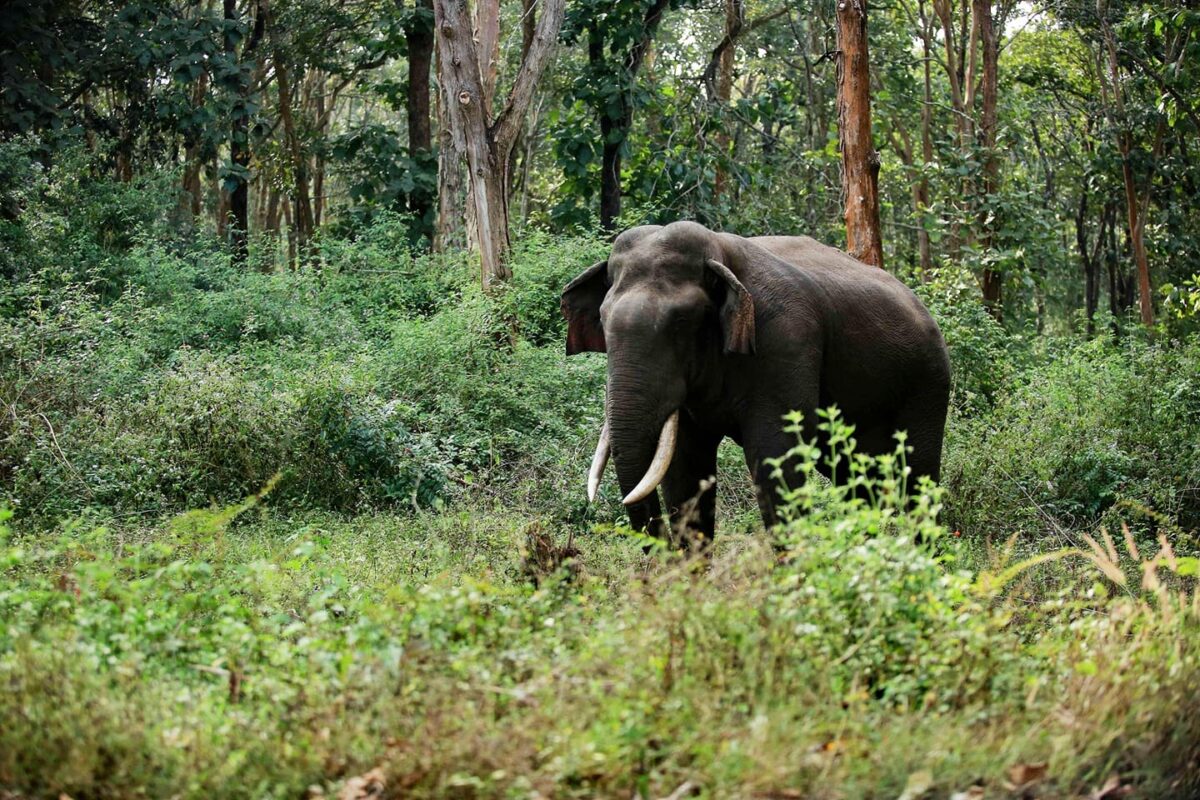
Representative image of a wild tusker.

The Karnataka Forest Department on 15 July signed an MoU to launch a five-year project titled Landscape-Level Management of the Asian Elephant in the Mysore Elephant Reserve, aimed at mitigating human-elephant conflict and ensuring long-term conservation of wild elephants. The Mysore Elephant Reserve, India’s largest, is facing increased conflict due to habitat fragmentation and urbanisation.
The project, in collaboration with IISc Bengaluru and elephant experts, will deploy scientific methods such as satellite telemetry, acoustic monitoring, and predictive modelling.
It will also assess elephant demographics, behaviour, and stress levels using non-invasive sampling. The project outlines six key objectives, including mapping corridors, identifying high-conflict individuals, and developing a 10-year Strategic Management Plan.
With 6,395 wild elephants, Karnataka holds a crucial position in Asia’s elephant conservation landscape. Forest Minister Eshwar Khandre emphasised the need for technological interventions, while IISc’s Raman Sukumar stressed the importance of science-driven strategies to reduce — though not eliminate — conflict.



