

Published Oct 01, 2026 | 6:28 PM ⚊ Updated Oct 01, 2026 | 6:28 PM

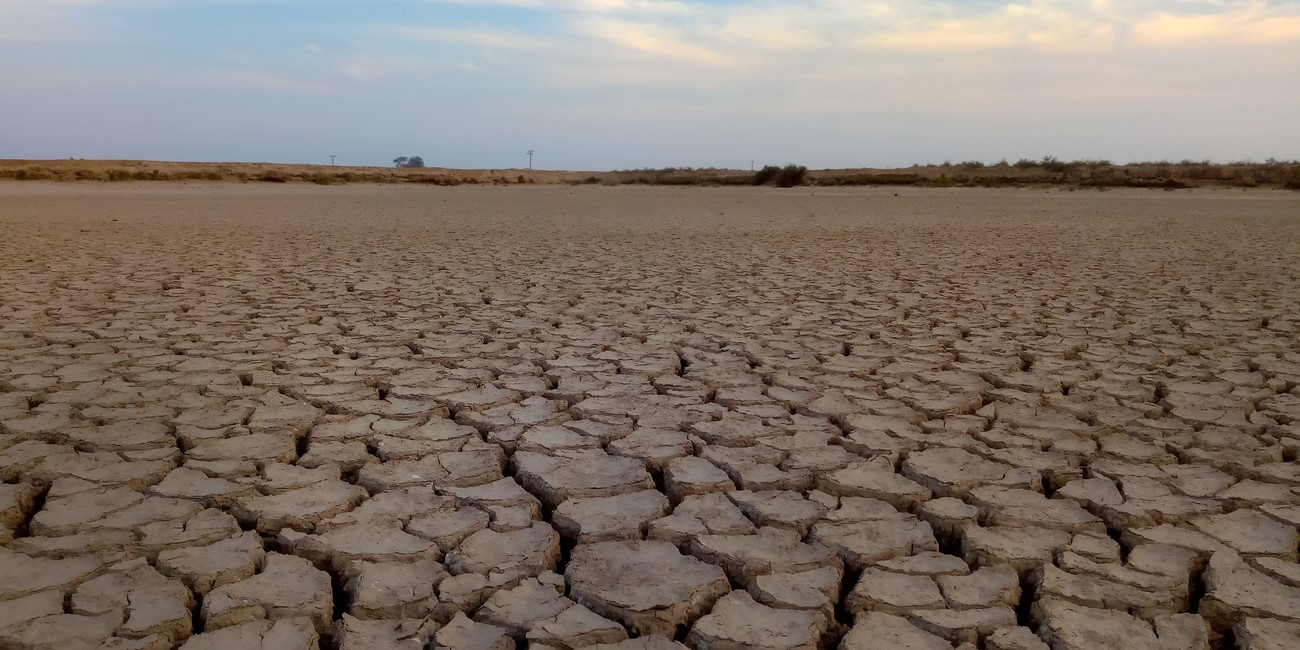
The reported damage ranges from 33 percent to 100 percent.

Synopsis: Karnataka Deputy Chief Minister G. Parameshwara has urged the Centre to revise SDRF/NDRF relief norms, saying existing input subsidy rates do not reflect the cost of cultivation or the scale of farmers’ losses. Karnataka has declared 76 more taluks drought-affected, taking the total to 177, with crop loss reported across 47.09 lakh hectares and estimated economic losses of ₹46,324.5 crore. The State has sought ₹3,705.30 crore for 101 drought-affected taluks.
Karnataka Deputy Chief Minister G Parameshwara has urged the Union government to revise the assistance norms under the State Disaster Response Fund (SDRF) and National Disaster Response Fund (NDRF), saying the existing input subsidy norms do not reflect the prevailing cost of cultivation or the scale of farmers’ losses.
In separate letters to Union Home Minister Amit Shah and Union Agriculture Minister Shivaraj Singh Chouhan on 1 October, Dr Parameshwara said Karnataka had declared another 76 taluks drought-affected, taking the total number of drought-affected taluks to 177. Ground-truthing is under way in another 40 taluks.
A Joint Crop Loss Assessment in the 76 newly declared taluks found agricultural crop loss over 26.08 lakh hectares and horticultural crop loss over 1.49 lakh hectares. The reported damage ranges from 33 percent to 100 percent, with a substantial proportion of the affected area recording crop loss of more than 50 percent.
The total crop loss in these 76 taluks is estimated at ₹27,576.2 crore, based on the cost of cultivation. The State has estimated its requirement for input subsidy under the applicable SDRF norms at ₹2,981.34 crore.
Across the 177 drought-affected taluks, crop loss has been reported over approximately 47.09 lakh hectares, with the estimated economic loss at ₹46,324.5 crore based on the cost of cultivation.
The State has also begun assessing 40 more taluks for drought declaration. A comprehensive assessment of the remaining taluks will be undertaken at the end of the month as part of the continuing drought assessment process.
Dr Parameshwara said the State had already submitted a Kharif 2026 Drought Memorandum seeking ₹3,705.30 crore for 101 drought-declared taluks. He said the worsening situation required coordinated action by the State and Union governments.
He reiterated Karnataka’s demand for revision of the items and norms of assistance under the SDRF/NDRF, particularly the input subsidy norms, with the 16th Finance Commission cycle having commenced.
“The existing input subsidy norms are substantially inadequate in relation to the prevailing cost of agricultural inputs and cover only a fraction of the losses incurred by farmers,” he said.
He called for a substantial increase in the assistance norms so that relief reflects the prevailing cost of cultivation and the economic impact of crop losses.
“There is, therefore, a strong need for a substantial upward revision of the assistance norms so as to provide meaningful support to affected farmers and ensure that the assistance more realistically reflects the prevailing cost of cultivation and the actual economic impact of crop losses,” Dr Parameshwara said.
The State government has already submitted its detailed comments and justification on the revision of the norms to the Union Home Ministry.
Dr Parameshwara also said the Karnataka government was providing assistance and taking measures to mitigate the impact of the drought.
“I shall be grateful if the long-pending revision of the items and norms of assistance under the SDRF/NDRF is taken on priority, which would enable more effective and meaningful support to our affected farmers,” he said.
(Edited by Dese Gowda)



