

Published Nov 21, 2026 | 5:37 PM ⚊ Updated Nov 21, 2026 | 5:37 PM

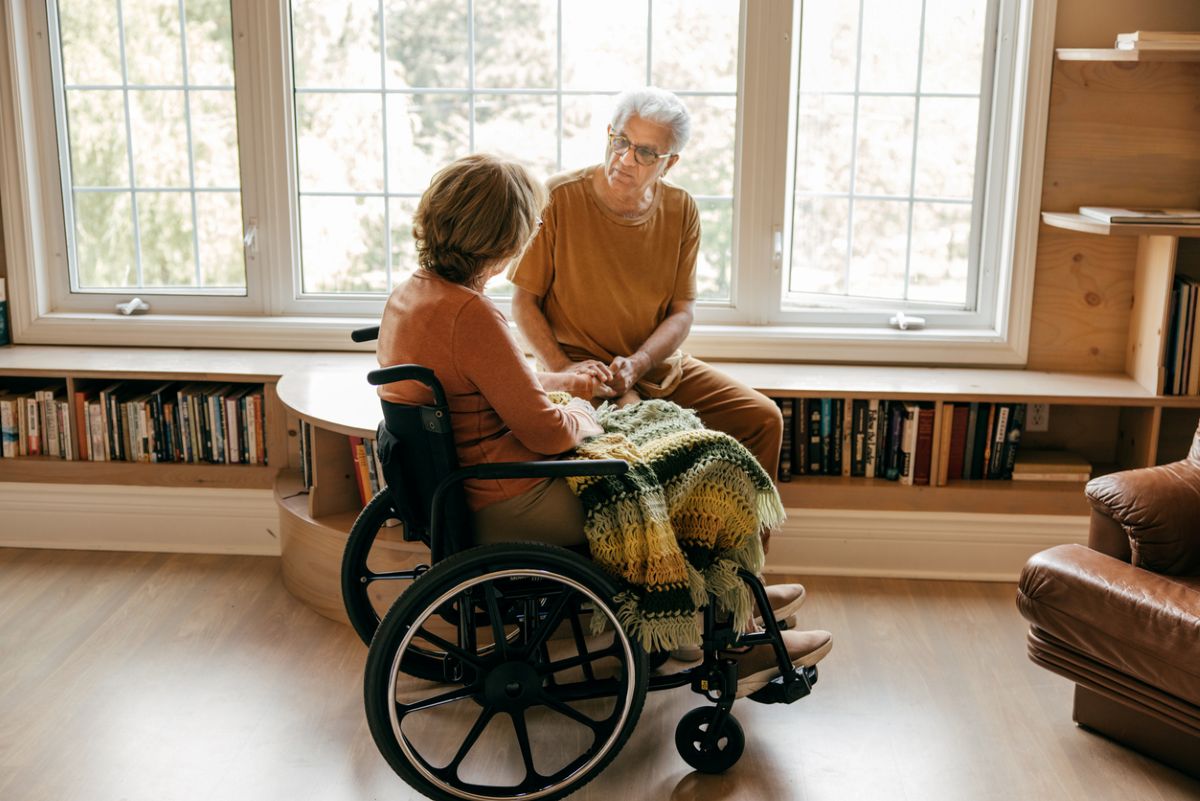
India is estimated to have around 88 lakh people living with dementia, with Alzheimer's disease accounting for the majority of cases.

Synopsis: Karnataka’s dementia burden is projected to rise from 5.05 lakh people in 2016 to nearly 9.41 lakh by 2036. With one in 13 older adults potentially affected, neurologists warn that persistent memory lapses, confusion and difficulty performing familiar tasks should not be dismissed as normal ageing.
Forgetting where you kept your keys or occasionally struggling to recall a name may happen to anyone. But repeatedly forgetting recent conversations, losing track of familiar routes or finding it difficult to perform everyday tasks could point to something more serious than ordinary ageing.
Neurologists say that early signs of Alzheimer’s disease are often overlooked because families mistake persistent memory loss and confusion for a natural part of growing older. They say recognising these changes and seeking medical advice can help people access timely evaluation, care and support.
The concern is particularly relevant in Karnataka, where an estimated 7.61 percent of people aged 60 years and above were living with dementia, compared with the national prevalence of 7.43 percent. Around 5.05 lakh people in the state were estimated to have dementia in 2016. This number is projected to increase to nearly 9.41 lakh by 2036.
Also Read: Olive oil lowers risk of dementia-related death, says study
Alzheimer’s disease is the most common cause of dementia. It is a progressive neurodegenerative condition that affects memory, thinking and other cognitive abilities, eventually interfering with a person’s ability to carry out everyday activities.
Dr Suvarna Alladi, professor of neurology at the National Institute of Mental Health and Neurosciences (NIMHANS), Bengaluru, said the early manifestations of the disease are not always recognised.
“Alzheimer’s disease requires greater public understanding because its early manifestations are not always recognised. Persistent changes in memory, communication, orientation or the ability to perform familiar activities should not simply be considered an inevitable part of ageing,” she said.
“Greater awareness and timely medical assessment are important to addressing the growing burden of Alzheimer’s disease,” she added.
Dr Amitabha Ghosh, director and head of neurology at Apollo Hospital, Kolkata, said the warning signs could develop gradually and may initially appear subtle.
“The early signs of Alzheimer’s disease can be subtle and may develop gradually. Repeatedly forgetting recent conversations or events, difficulty finding familiar words, becoming confused in familiar surroundings, or struggling with routine tasks can be warning signs, particularly when they begin to interfere with daily life,” he said.
“Seeking medical advice when such symptoms persist can help individuals and families access appropriate evaluation and support,” he added.
Also Read: Can a natural compound help Alzheimer’s treatment? Bengaluru scientists make game-changing discovery
Alzheimer’s disease can affect people in different ways, but some changes warrant attention, particularly when they persist or progressively worsen. These include frequent memory lapses that disrupt daily activities, difficulty finding words during conversations, problems managing familiar routines, confusion about time or place, and changes in judgement, decision-making or behaviour.
Occasional forgetfulness does not necessarily indicate Alzheimer’s disease. However, repeated changes that interfere with everyday functioning should not be dismissed as normal ageing.
The wider burden is also growing. India is estimated to have around 88 lakh people living with dementia, with Alzheimer’s disease accounting for the majority of cases. This number is projected to rise to approximately 1.69 crore by 2036. Globally, the number of people living with dementia is projected to reach 15.2 crore by 2050.
Despite the scale of the problem, dementia often remains undiagnosed or is identified late. Limited awareness, stigma and the misconception that memory loss is an inevitable consequence of ageing can prevent families from seeking medical assessment.
(Edited by Dese Gowda)



