


Published Mar 13, 2026 | 9:55 AM ⚊ Updated Mar 13, 2026 | 9:55 AM

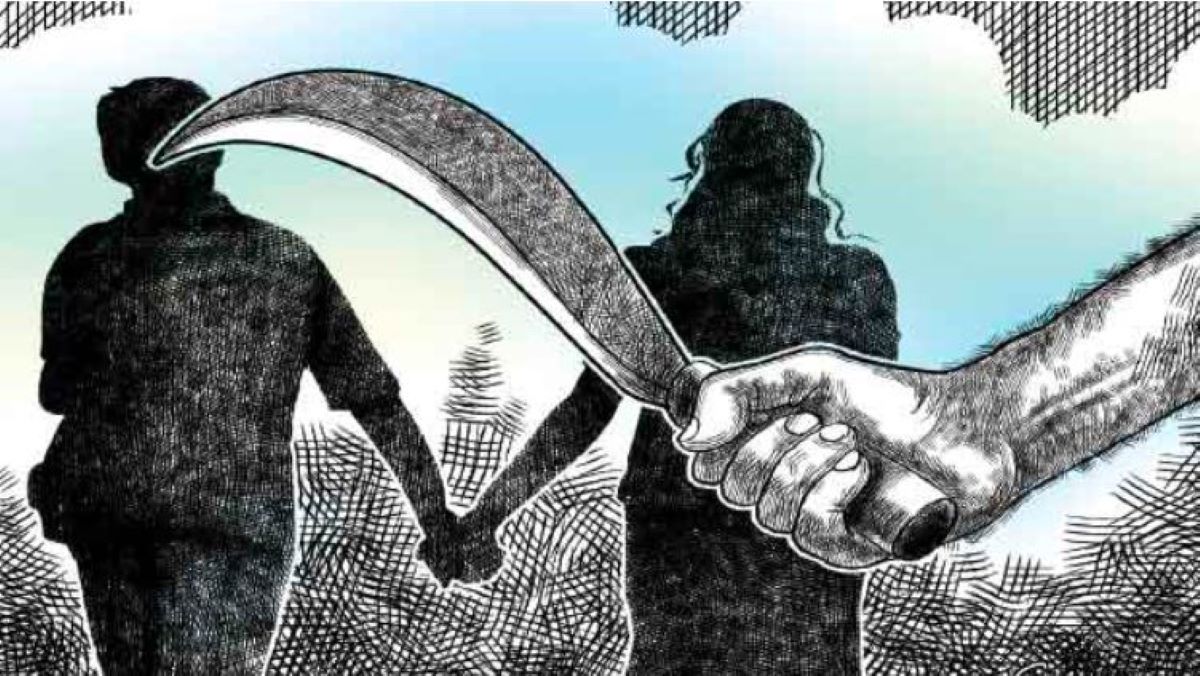
Caste Killing. Representative Photo.
Synopsis: The Karnataka Cabinet approved the Karnataka Freedom of Choice in Marriage and Prevention and Prohibition of Crimes in the Name of Honour and Tradition Bill, 2026, to curb caste killings.
The Karnataka Cabinet on Thursday, 12 March, approved the Karnataka Freedom of Choice in Marriage and Prevention and Prohibition of Crimes in the Name of Honour and Tradition Bill, 2026, to curb caste killings.
The proposed law is also referred to as Iva Nammava, meaning “He is ours, he is ours,” drawn from a 12th-century Kannada Vachana by social reformer Basavanna. The phrase is said to have been suggested by Law and Parliamentary Affairs Minister HK Patil.
The Bill proposes minimum imprisonment for a term of five years for whoever causes the death of a couple through any means or either of them or any person in the name of “honour”.
In April 2025, a father killed his teenage daughter from the Kuruba community in Raichur after she eloped with a boy from the SC community. In August, 18-year-old Kavita, a Lingayat, was killed by her father over her relationship with a boy from the Kuruba community.
In December 2025, a 20-year-old pregnant woman was killed by her family for marrying a Dalit man in Dharwad district. She was six months pregnant at the time of the murder.
Following these incidents, Karnataka Chief Minister Siddaramaiah announced that a Bill would be introduced in the upcoming session of the legislature to curb such crimes.
The draft Bill reaffirms that fundamental rights under Articles 14, 19, and 21, as well as rights under the Protection of Human Rights Act, 1993, will apply to decisions regarding choosing a partner in a marriage.
However, it recognises the rise in violence, harassment, threats, and social ostracism—often in the name of caste, custom, and “honour”—targeting individuals and young couples, particularly women and men from marginalised communities.
Under the section “freedom to marry”, the bill states that any two persons who are otherwise eligible to marry have a right to marry any person of their choice without any hindrance from anyone, including the parents and family members of both parties.
A “person” here is defined as a woman aged 18 and above and a man aged 21 and above.
The consent of the person’s parents, family, caste or clan is not necessary once the two adult individuals agree to enter into a marriage, the bill states.
(With inputs from Anisha Reddy.)


