


Published Dec 12, 2025 | 9:00 AM ⚊ Updated Dec 12, 2025 | 9:00 AM

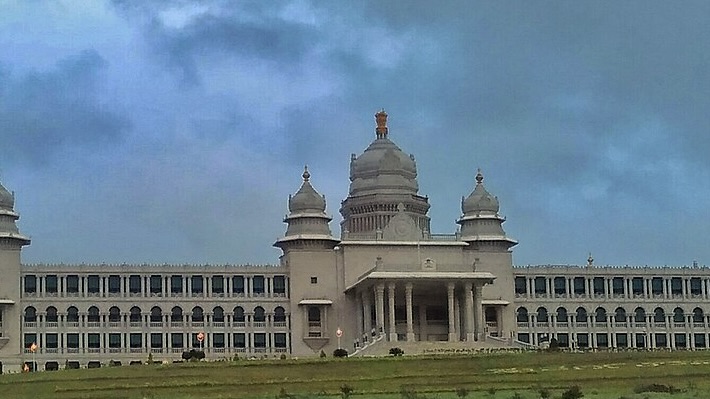
The bill was tabled at the ongoing winter session of the assembly at Suvarna Vidhana Soudha.
Synopsis: The Karnataka government has introduced a Bill in the Legislative Assembly to prohibit and criminalise social boycotts, aiming to fill gaps in existing laws. The proposed legislation defines twenty forms of social boycott and sets penalties of up to three years’ imprisonment or a fine of up to one lakh rupees for individuals who impose or enable such practices.
The Karnataka government on Thursday, 11 December, tabled the Karnataka Social Boycott (Prevention, Prohibition and Redressal) Bill, 2025 in the Legislative Assembly. The Bill aims to prohibit and criminalise the social boycott of a person or a group of persons, including their family, especially by caste panchayats.
The Bill, piloted by Social Welfare Minister Dr HC Mahadevappa, was introduced as “existing laws are found to be inadequate in dealing” with such social boycott practices, according to the statement of objects and reasons.
Listing 20 forms of social boycotts, the Bill proposes punishment that includes a jail term of up to three years, or a fine of up to one lakh rupees, or both.
“Unconstitutional practices such as boycotts, imposition of various punishments by extra judicial bodies such as caste or community panchayats etc., are still in practice in various communities in the state, resulting in great harassment to individuals or groups in leading their lives with dignity,” the government said in the statement of objects and reasons.
Such practices, the government said, have adverse effects on the social life of the community and have given rise to “ill feelings” and “disharmony” in society.
The Bill defines social boycott as any gesture or act of social discrimination, whether oral or written, between members of a community.
It describes 20 forms of social boycott that include refusing to work with someone, hire them, or do business with them.
Ostracising or shunning someone, cutting off social ties, stopping them from participating in community events, customs, meetings, or processions, preventing children from playing with children of a particular family, and forcing cultural norms such as clothes or language are also counted as social boycott.
Refusing or blocking someone from performing marriages, funerals, or other religious rites, and denying entry to places of worship or pilgrimage also fall under the definition.
Restrictions on access to public, charitable, or community spaces, including educational, medical, or social facilities, and denying benefits from a community trust are similarly treated as social boycott.
The list also includes denial of basic human rights and discrimination based on morality, social acceptance, political views, or sexuality.
Forms of coercion and incitement, including encouraging or provoking others to sever ties with someone and forcing someone out of the community, are also recognised as social boycott.
The Bill proposes up to three years of imprisonment and a fine of up to one lakh rupees, or both, as punishment for any person who imposes, causes to impose, or practices any social boycott mentioned in the list.
With specific reference to a ‘caste panchayat’, the Bill says that if someone uses their influence over a caste panchayat to get it to impose a social boycott, even if they did not attend the meeting where the decision was made, they will still be considered guilty of the offence.
Additionally, every member who has voted in favour of such a decision or has participated in the deliberations of the meeting where such a resolution is passed will also be considered guilty.
Victims of social boycott can file a complaint either with the police or directly with the Judicial Magistrate of the First Class. The Bill also notes that when a sentence of fine is imposed, the Court may, when passing judgment, order the whole or any part of the fine recovered to be given to the victim and his family as compensation.
The state government will also designate an officer as the social boycott prohibition officer who will detect the commission of an offence and assist the Magistrate while he tries the offences.
(Edited by Dese Gowda)


