

Published Jun 15, 2026 | 5:09 PM ⚊ Updated Jun 15, 2026 | 5:09 PM

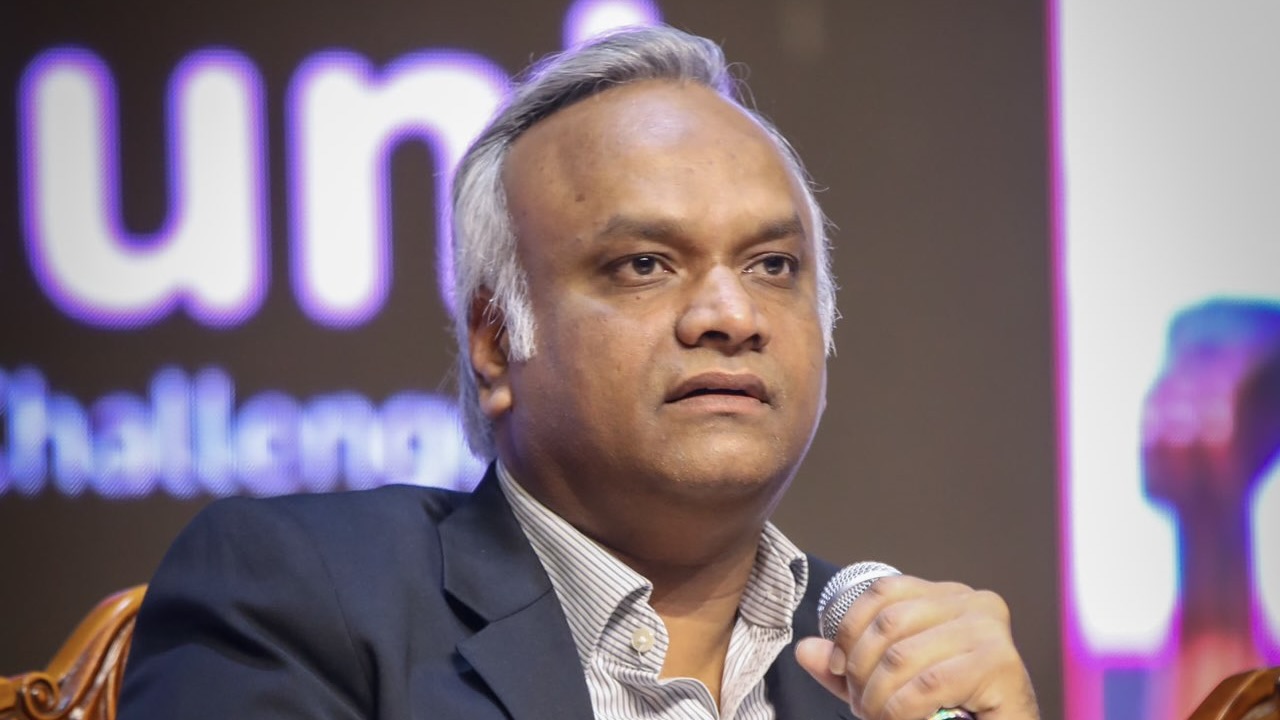
Karnataka Home Minister Priyank Kharge.

Synopsis: Karnataka Home Minister Priyank Kharge has written to RSS chief Mohan Bhagwat seeking clarification on how the organisation continues to operate without formal registration despite its extensive nationwide presence. In the letter, the Karnataka Home Minister asked the RSS to publicly disclose details about its legal status, finances, organisational structure and the basis on which it conducts its activities without formal registration.
Karnataka Home Minister Priyank Kharge has written to Rashtriya Swayamsevak Sangh (RSS) chief Mohan Bhagwat seeking clarification on how the organisation continues to function without formal registration despite, by its own admission, having an extensive organisational presence across the country.
In a letter dated 13 June, Kharge cited figures from the 2025–26 annual report released by the Akhil Bharatiya Pratinidhi Sabha (ABPS), the RSS’ highest decision-making body, showing that the RSS has 4,127 daily shakhas, 1,389 weekly milans and 60 monthly mandalis in Karnataka. It also conducted 2,194 Samajotsavas involving 19,61,158 participants and organised 562 route marches across the State with 2,21,963 uniformed participants.
“It is precisely because of this scale, influence and reach that the RSS must be held to the highest standards of transparency, accountability and constitutional compliance,” Kharge wrote, requesting that the RSS depute its authorised office-bearers to explain “the legal grounds on which an organisation of such magnitude continues to function with anonymity and without being formally registered as a legal entity or as a ‘body of individuals’ under the applicable laws”.
“In Bharath, even a safai karamchari must be registered to avail government benefits. Every religious institution and religious trust is audited. Charitable bodies, NGOs, trusts, societies, companies and other institutions are required to disclose their structure, activities, finances and sources of income,” the letter reads.
Dear Shri Mohan Bhagwat ji,
My letter will reach you shortly. However, I thought it was important to draw your attention to this matter early.
——————————-Firstly, congratulations to the RSS on completing 100 years.
An organisation that claims over 60,000 shakhas and crores of… pic.twitter.com/IZy4oeKdMp
— Priyank Kharge / ಪ್ರಿಯಾಂಕ್ ಖರ್ಗೆ (@PriyankKharge) June 15, 2026
The demand is the first major legal initiative since Kharge began publicly taking on the BJP’s ideological parent last year.
Since taking over as Minister of Home Affairs earlier this month, he has reiterated his demand that the RSS explain its legal basis for operating and has offered to engage directly with RSS leaders on the issue.
Earlier this year, Kharge alleged that the RSS was involved in money laundering and questioned how it funded its domestic and international operations through a network of more than 2,500 affiliated organisations.
Last year, RSS chief Mohan Bhagwat said the organisation functions as a recognised “body of individuals” and that its donations, or “guru dakshina”, had been exempted from income tax following litigation. He also said that courts had recognised its status as a body of individuals.
Also Read: 10 days on, Krishna Byre Gowda still awaits clarity on Bengaluru Development portfolio
In his letter, Kharge asked the RSS to publicly disclose detailed information on several aspects of its functioning, including:
“An organisation that regularly evokes nationalism, discipline and duty must also demonstrate these values through transparency, compliance and respect for the Constitution of India,” he said.
“The RSS cannot ask ordinary Indians to follow rules while exempting itself from the same standards. If workers, small associations, religious institutions, NGOs, trusts, companies and citizens are expected to register, disclose, undergo audits and pay taxes, then the RSS too must set an example by abiding by the rules of the land.”
Kharge said the RSS should use its centenary year for “constitutional introspection” and called upon it to “register itself, disclose its activities and finances, pay all applicable taxes, and function as a transparent and accountable organisation within the framework of Indian law”.
(Edited by Dese Gowda)



