

Published Aug 20, 2026 | 11:35 PM ⚊ Updated Aug 20, 2026 | 11:35 PM

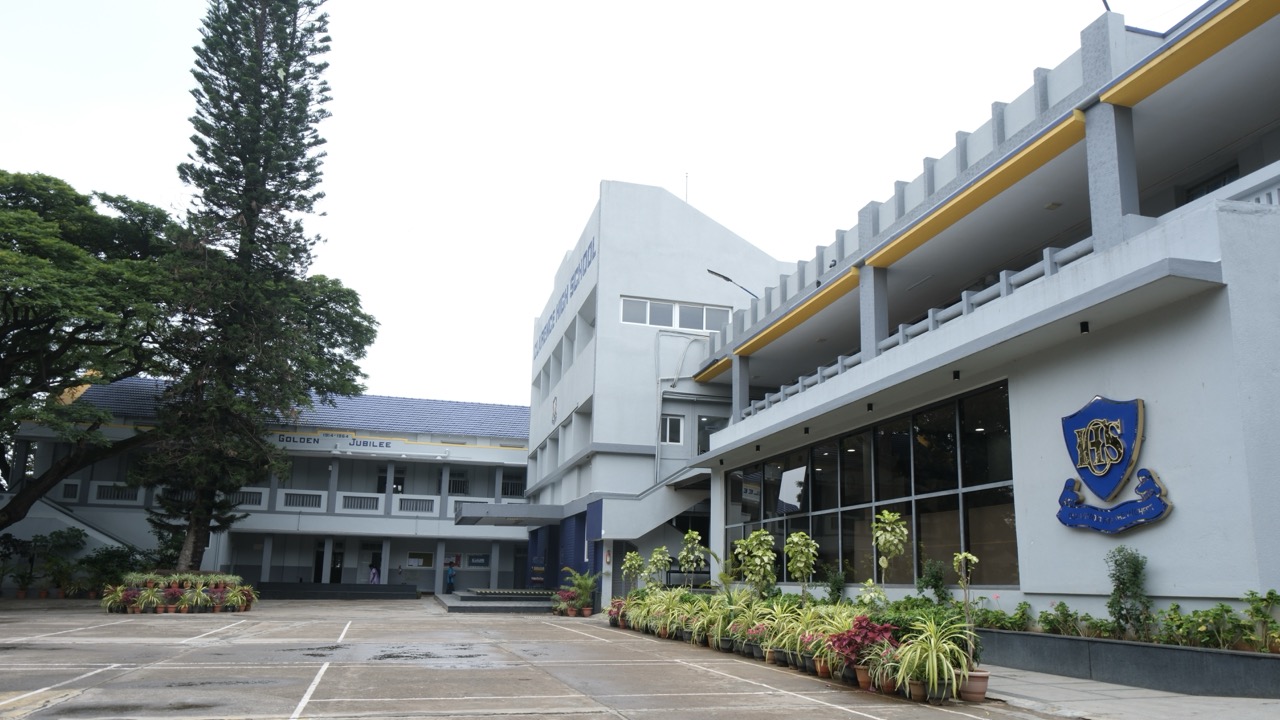
Clarence High School in Bengaluru’s Richards Town.

Synopsis: Bengaluru civic authorities have begun a 15-day health surveillance programme at Clarence High School after two staff members tested positive for H1N1 and around 500 students and two dozen staff reported fever, cold and other symptoms. Health officials have screened 122 students for influenza-like symptoms and collected naso-oropharyngeal swab samples from three students for testing at NIMHANS. They have also issued influenza guidelines for schools across the city.
A week after two staff members of Clarence High School in Bengaluru’s Richards Town tested positive for H1N1 on 12 August, civic authorities in the city have launched a 15-day health surveillance programme at the school.
The school was shut the same day for cleaning and sanitisation after the two H1N1 cases were reported and reopened the following day. Around 500 students and 21 teaching and non-teaching staff members were absent due to cold, fever and other symptoms, leading to the suspension of physical classes until 18 August.
The Bengaluru North City Corporation (BNCC) began active surveillance at the school on 18 August.
The following day, officials screened 122 students for influenza-like symptoms and collected naso-oropharyngeal swab samples from three students for testing at the NIMHANS Viral Research and Diagnostic Laboratory. Of the school’s 1,729 students, 382 were absent on 19 August. The results are awaited.
The Health Department has circulated guidelines on seasonal influenza and H1N1 to schools across the city.
Siddappa T, Deputy Health Officer, told South First that no other school in Bengaluru has been closed and there is no blanket direction to shut educational institutions.
“There has been no closure of schools. Guidelines have been issued to schools across the city,” he said, adding that decisions on closing educational institutions were taken by the Education Department.
The guidelines advise children with mild fever, cough or sore throat to stay home, avoid contact with others and be reassessed by a doctor within 24 to 48 hours. Routine H1N1 testing is not required for Category A and Category B cases.
Testing is required for Category C patients with severe symptoms, including breathlessness, chest pain, persistent high fever or difficulty breathing. Such patients require immediate hospitalisation and treatment.
Schools have also been advised to promote hand hygiene, cough and sneeze etiquette, and the isolation of symptomatic cases. The guidelines do not prescribe a fixed closure period for schools or specific conditions for reopening.
Also Read: Sunflower oil costs 63% to 74% more than it did in 2024; Price of rice, milk, sugar hits new highs
Civic authorities have removed street vendors and other alleged encroachments from around the Clarence High School campus after the management alleged unhygienic conditions and waste accumulation.
In a letter to the BNCC Health Officer, the school’s Principal sought an inspection and corrective action against street-food vendors operating outside the campus.
Bengaluru North civic engineers and the Frazer Town police carried out a joint operation on the night of 18 August. Around 15 street vendors and other encroachments were removed from footpaths on all four sides of the school premises on 19 August, Executive Engineer Thippeswamy said.
Thippeswamy said separate notices were not issued to the vendors because they were encroachers.
No direct connection has been established between the street vendors and the reported H1N1 infections.



