

Published Nov 02, 2024 | 4:11 PM ⚊ Updated Nov 03, 2024 | 10:46 AM

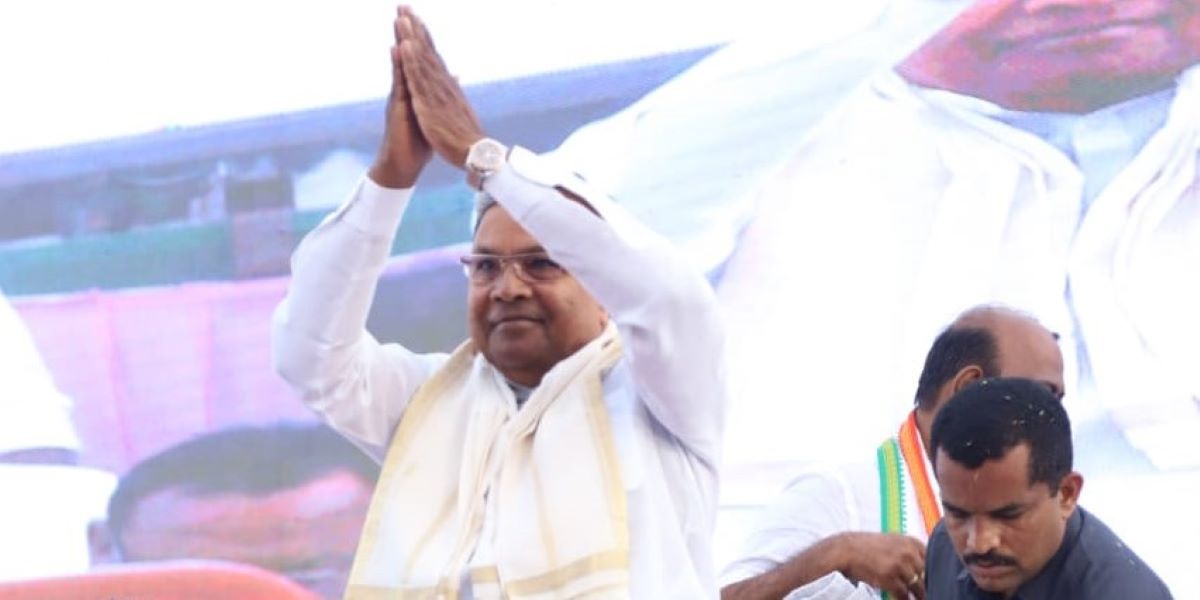
CM Siddaramaiah to hold finance and administration classes for legislators (siddaramaiah/Twitter)

Karnataka Chief Minister Siddaramaiah has directed officials to promptly withdraw all notices issued to farmers regarding Waqf land issues, stressing the need to prevent any disturbances to their activities.
This directive came during a high-level meeting that included senior officials from the Revenue Department, Minority Welfare Department, and the Waqf Board.
The Chief Minister expressed strong dissatisfaction with recent actions taken by certain officials and accused the JD(S) and BJP of exploiting the Waqf issue for political gain, which could disrupt peace in the state.
Siddaramaiah urged the public to ignore misinformation and called on officials to handle the matter with sensitivity.
Key Decisions from the Meeting:
The meeting was attended by prominent officials, including Law and Parliamentary Affairs Minister H.K. Patil, Revenue Minister Krishna Byre Gowda, Chief Secretary Rajendra Kataria, and Waqf Board CEO Jilani.
The Waqf Board is believed to be the third-largest landholder in the country, after the Indian Armed Forces and Indian Railways, reportedly controlling over 8.5 lakh pieces of properties across India.
The Waqf Board is a crucial statutory body in India, established under the Waqf Act of 1995 to regulate and manage properties associated with mosques and other Islamic institutions. These properties are dedicated by individuals for religious or charitable purposes within the Islamic community, with income generated intended to support education, healthcare, and community welfare.
Each Indian state has its own Waqf Board, ensuring effective governance of local properties, while the Central Waqf Council coordinates national efforts for consistency and oversight. The Board maintains comprehensive records of Waqf properties, detailing their origins, income, and beneficiaries, ensuring funds are used appropriately and preventing misuse.
Additionally, the Waqf Board appoints and oversees Mutawallis, the managers of these properties, scrutinises their budgets, and arranges audits to maintain financial accountability. It possesses significant authority to intervene in cases of mismanagement, including taking over property administration and initiating legal action when necessary
Amid the controversy, Minister for Waqf and Housing BZ Zameer Ahmed Khan stated that the Waqf Board once owned over 1.12 lakh acres in Karnataka but it is currently left with only 23,000 acres.
(Edited by Ananya Rao with inputs from Nolan Pinto)



