


Published Jan 30, 2026 | 7:50 PM ⚊ Updated Jan 30, 2026 | 7:50 PM

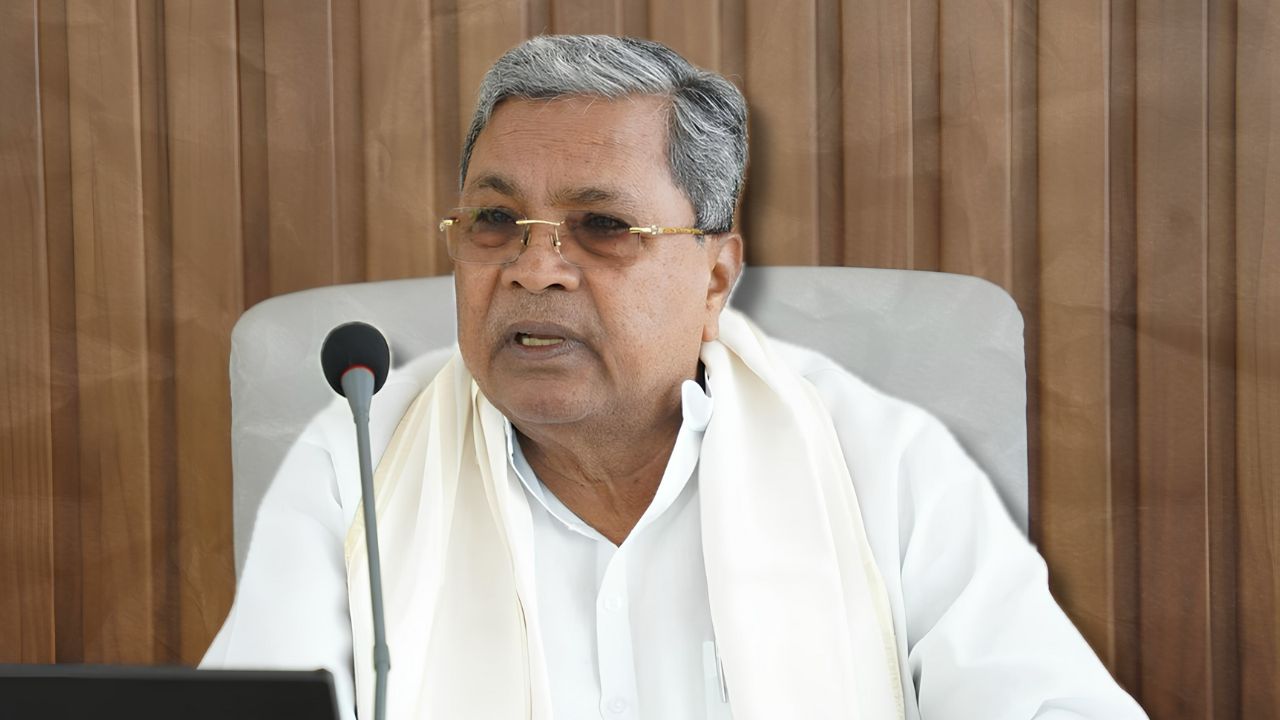
Karnataka Chief Minister Siddaramaiah
Synopsis: Ahead of the Union Budget 2026–27, Karnataka Chief Minister Siddaramaiah on 30 January, listed out the state’s demands before the 16th Finance Commission, alleging long-standing fiscal discrimination and seeking fairer tax devolution and stronger fiscal federalism. The chief minister urged the Commission to reflect these concerns in its recommendations and called on the Union government to implement them “in letter and spirit.”
Ahead of the Union Budget 2026–27, Karnataka Chief Minister Siddaramaiah on Friday, 30 January, listed the State’s demands before the 16th Finance Commission to rectify the alleged fiscal discrimination the State has suffered in the past.
In a statement, the chief minister said his government had placed its “legitimate and constitutionally grounded demands” before the Finance Commission, seeking justice in tax devolution and the upholding of fiscal federalism.
He added that he hoped the Commission would reflect these concerns fairly in its recommendations, and that the Union government under Prime Minister Narendra Modi would implement them “in letter and spirit, without subjecting Karnataka to petty politics or discrimination, as has unfortunately happened in the past”.
Karnataka, he said, is among the country’s highest contributors to national revenues, but its share in tax devolution was earlier reduced from 4.71 percent to 3.64 percent, leading to a loss of nearly ₹80,000 crore to the State.
He attributed the weakening of the State’s finances to a range of factors, including flawed formulas that penalise development and population control, unrealistic GSDP calculations, inadequate disaster support, unchecked cesses and surcharges, denial of GST compensation, and the non-release of recommended grants.
“Fair tax sharing is not a favour, but a right,” the statement said, adding that Karnataka seeks “only what is due — justice, fairness, and respect within India’s federal framework”.


