

Published Apr 07, 2026 | 10:59 AM ⚊ Updated Apr 07, 2026 | 10:59 AM

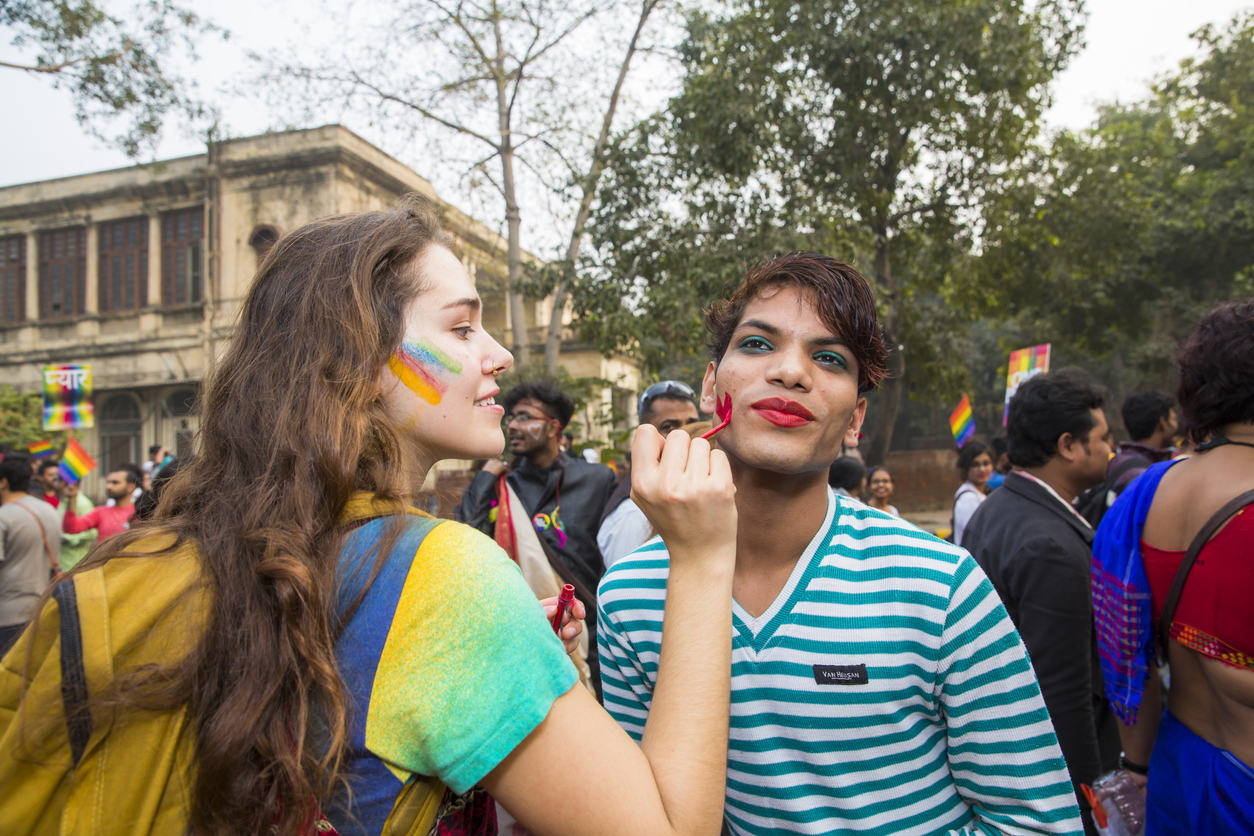
Activists groups also raised concerns about how the Act was passed with a sense of urgency. Credit: iStock
Synopsis: The Transgender Persons (Protection of Rights) Amendment Act, 2026, narrows the definition of “transgender person,” mandates invasive medical exams, and threatens community support systems. Activists warn it criminalises NGOs and safe spaces, isolates trans people, and undermines privacy and representation. Passed hastily despite protests, the Act has sparked fear, surveillance, and uncertainty about future rights and protections.
Even before the Transgender Persons (Protection of Rights) Amendment Bill became an Act, its repercussions spread when the news broke. Trans people were being evicted from their homes and being deprived of livelihood opportunities.
Now that the Bill has been passed, the situation has worsened, with all possible channels of help relied on by trans people being cut off.
DEI initiatives, foreign funding for queer work, and any sort of community support given to and by the trans community can effectively be criminalized in furtherance of the provisions in the Act.
Passed in the Lok Sabha on 24 March, 2026, and the Rajya Sabha on 25 March, 2026, The Transgender Persons (Protection of Rights) Amendment Act, 2026, amends the Transgender Persons (Protection of Rights) Act, 2019. The Act has been scrutinised by transgender persons, queer activists, and civil society for narrowing down the definition of a “transgender person” to include only those people who belong to certain socio-cultural groups, such as Kinnar, Hijda, Aravani, or Jogta, and intersex people.
The Act also violates the fundamental tenet of privacy granted to all persons as an extension of their Right to Life by mandating an invasive medical examination by a government-appointed board to obtain a certificate of identity.
Numerous protests were organised across India by civil society, in addition to the Opposition demanding that the Bill be sent to a select committee of the Lok Sabha, as it severely impacted the rights of transgender persons.
A day after the Bill was passed in the Rajya Sabha, the All-India Feminist Alliance and the National Alliance for Justice, Accountability and Rights wrote to President Droupadi Murmu, requesting that she withhold assent due to constitutional violations and procedural irregularities in the Bill’s passage.
A Supreme Court-established committee chaired by former Delhi High Court judge Justice Asha Menon also requested the Centre to withdraw the Bill, calling it a “tremendous setback” to all the efforts taken to improve the lives of trans people.
However, the Bill survived several expressions of dissent and was passed in both Houses of Parliament in just 12 days. This sparked concern among members of the trans community, with Debbie (she/they), a trans person from Bengaluru, saying that “the IT Amendment Bill which is also being passed, I think in 14 to 15 days time is another aim to curb that dissent and the timing of these two is not coincidental,” thereby establishing a possible link between the Draft IT Second Amendment Rules, 2026 and the Act. The simultaneous introduction of both the above legislation is viewed as an effort on part of the Government to curb dissent.
Days after passage of the Bill, trans persons told South First that their lives look completely different.
Jojo/Jayant (he/him), founder of Queer Nilayam, an organisation providing a home-like safe space for queer individuals and offering sources of connection, support and growth, explained that several WhatsApp support groups had to be closed due to “spies” within such groups.
Additionally, “LGBTQIA+” organisations were renamed to “queer” and removed from Google Maps on account of constant surveillance and threats against people supporting the trans community.
Emphasising the detrimental consequences of the Act, Debbie said, “I’m scared of the losses that lie ahead, and how it is going to shatter a lot of young people’s hopes, dreams, and aspirations they had for themselves.”
The Act, Debbie said, reinforces several harmful stereotypes against the trans community propagated by mainstream films. It criminalises kidnapping, coercion, and allurement, without any sort of empirical proof to back up that such acts happen within the trans community – a reflection of how maliciously trans people are viewed by society, as Debbie told the South First.
The Act states that inducing or luring any person into assuming a transgender identity will be punished, and a broad interpretation of such vague words can be interpreted to punish any NGO or support work as illegal activity, activists said.
As expressed by Debbie, such vague terminology could lead to the criminalisation of NGOs, community safe spaces, and shelters, thereby taking away support systems available to the trans community, effectively isolating them.
While the Act has affected the trans community as a whole, activists fear its adverse impacts on people who are transitioning.
Debbie said, “I am terrified for my younger siblings – the trans people who have just started transitioning and are in their early 20s,” expressing concerns that the early stages of transition will be shaped by uncertainties created by the Act, with potentially serious consequences for their mental health.
Activists groups also raised concerns about how the Act was passed with a sense of urgency.
Jojo/Jayant (he/him), founder of Queer Nilayam, alleged that passing this Bill has been on the Government’s agenda for a long time, and the upcoming Census has provoked them to pass it in a very short span.
As expressed by Jojo, a possible reason for such hurried passage of the Bill would be to “scrutinise in such a way that they can show only male and female genders” in the 2027 Census. Such a lack of representation would shield the government if they attempt to deny implementation of horizontal representation of the trans community in employment and education.
Jojo also noted that those transitioning have been told to continue the process until the government releases further rules and procedures.
To provide a safe space and community support to trans people, numerous listening and support groups have been initiated across Bengaluru. Such groups and forums have made use of community support, art, music, and games to provide some sort of respite to trans people.
The Bill was passed in both Houses of Parliament and subsequently received Presidential Assent without consulting the trans community or referring it to a select committee, despite protests from civil society. However, now that the Bill has been passed, the trans community awaits the official rules and procedures while working to reach consensus on future actions.
Given the vague provisions and the lack of established rules, several questions remain unanswered. What is to happen to the identity certificates obtained by people before the passage of the Act? What is the course of action to be adopted by those who are still transitioning? When will the official rules and procedures be released?
Without knowing the answers to the above and many other questions, the future actions to be taken by the trans community and activists remain uncertain.


