

Published Aug 19, 2025 | 7:59 PM ⚊ Updated Aug 19, 2025 | 7:59 PM

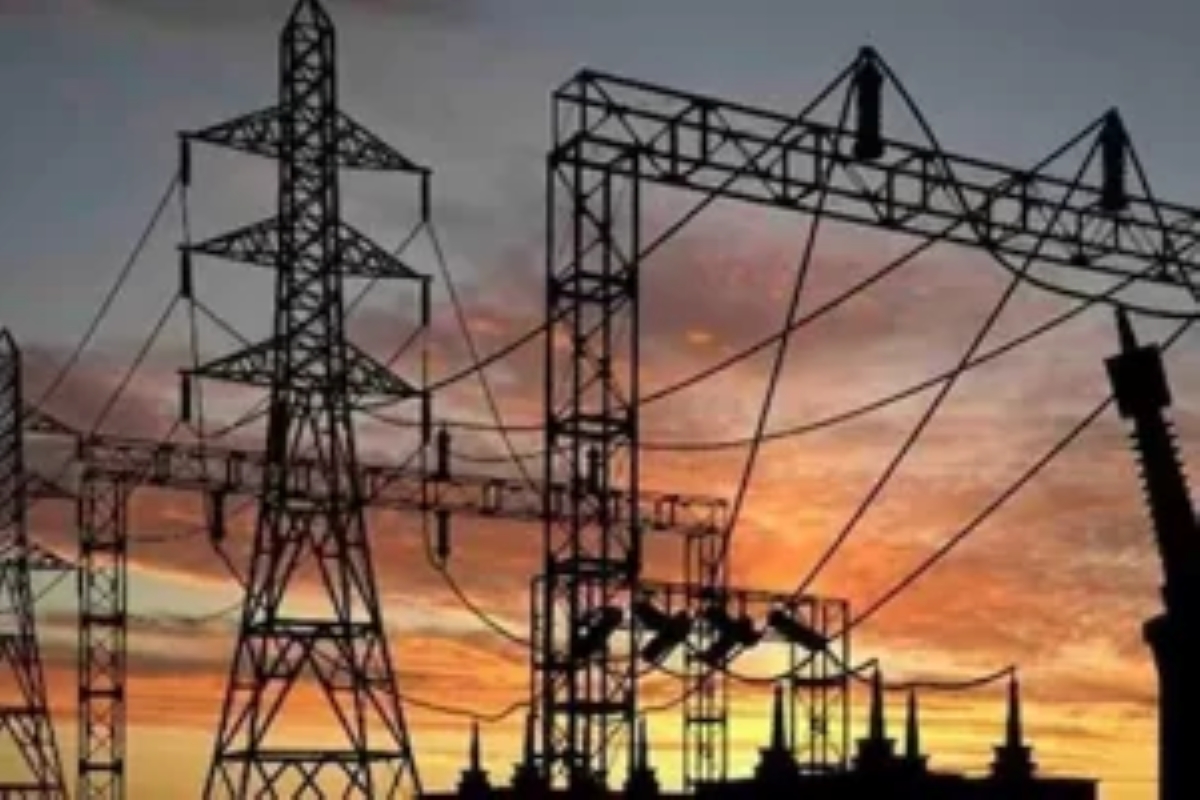
Electricity. (Representative image)

The share of renewable energy in Karnataka, has currently risen to between 75 percent and 85 percent, with a new record set on Monday, 18 August when 143 million units of electricity were generated from renewable energy sources.
Furthermore, in recent days, dependence on conventional energy such as thermal and hydro power has reduced.
According to a press release, “On August 18, with the record generation of 143 million units from renewable energy sources, around 80 percent of the grid’s power supply came from green energy—testament to the importance given by the state government to renewable energy.”
“This development has been made possible by the state government’s strategy of prioritising renewable energy sources. The initiative serves as a model for other states to step forward in the green energy transition. Moreover, renewable energy provides power at lower costs, reducing the government’s financial burden,” it added.
“It is possible to generate electricity at a lower cost from renewable energy sources. This reduces the government’s burden, which is why priority is given to these sources. It also lessens the load on hydro and thermal power plants, making it easier to generate more power from these sources in summer to meet demand,” said, K.J. George, Energy Minister, Govt of Karnataka.
Since the onset of the monsoon, more than 50 million units of electricity have been generated daily from wind. Currently, 65.80 million units are being produced.
As a result, dependence on thermal power generation has declined. At present, thermal sources are contributing only 15 – 25% of the State energy generation.
Heavy rains across the state have led to a sharper-than-expected fall in electricity consumption, which now stands at 179.03 million units. In the same period last year, consumption was 200.35 million units. Although the average annual demand this year is about 15 percent higher than last year, current usage is 21 million units less.
By the end of January, power demand in the state had started increasing. Summer demand was expected to cross 350 million units per day, but pre-monsoon rains kept it within the 320–330 million unit range. Around May 16–17, due to pre-monsoon showers and the early onset of the monsoon, demand fell to 230–240 million units per day. Now, it has reached its lowest level.
Alongside reduced demand, increased wind and solar generation have decreased the amount of power purchased from central generation stations. Consequently, government expenditure on power procurement has also fallen.
“Through several initiatives, especially solar parks and wind power projects, Karnataka is increasing its renewable energy capacity. This has been made possible by our ambitious strategies and actions aimed at achieving renewable energy goals,” said, Gaurav Gupta, Additional Chief Secretary, Energy Department, Govt of Karnataka.



