
Published Apr 02, 2026 | 9:01 PM ⚊ Updated Apr 02, 2026 | 9:01 PM

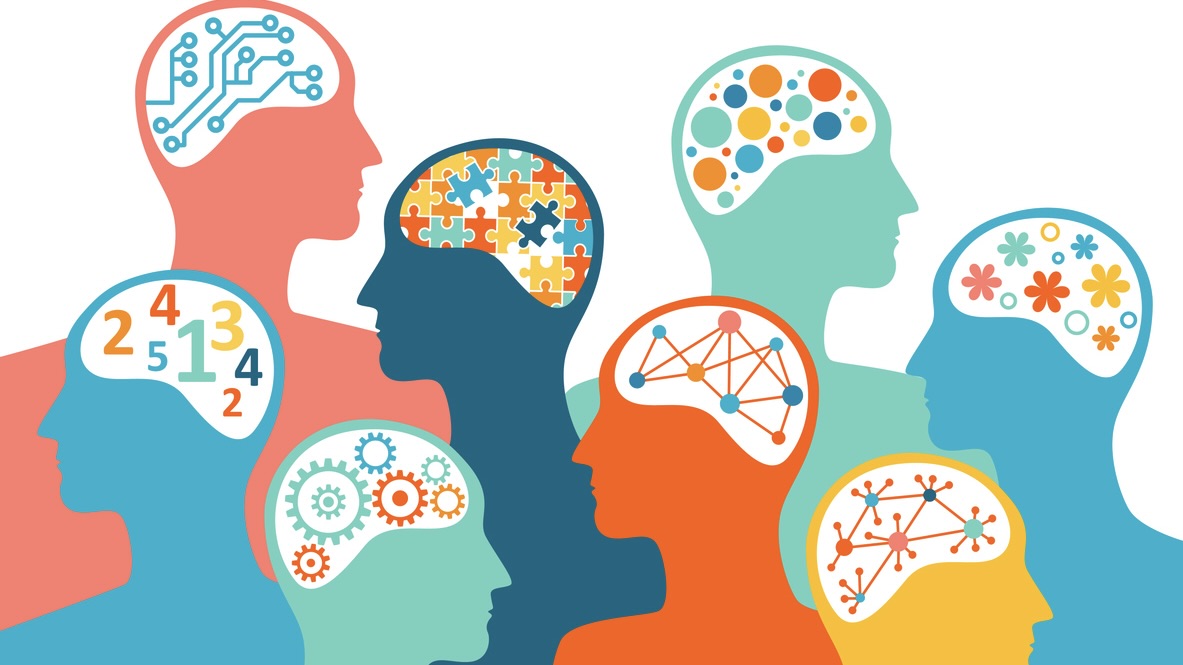
In many cases, children are simply labelled “uncooperative”, and families are sent from one specialist to another without receiving appropriate care.
Synopsis: India has already made significant commitments through the Rights of Persons with Disabilities Act (2016), which guarantees equal access to healthcare. But accessibility must extend beyond ramps and elevators. It must also include sensory-friendly environments, flexible consultation models and training in neurodiversity-sensitive care.
Every year, World Autism Awareness Day prompts conversations about inclusion in schools, workplaces and communities. Yet one of the most overlooked forms of exclusion happens much earlier when neurodiverse children try to access basic healthcare.
For families of children with autism, ADHD and other developmental disabilities, the challenge is not only therapy or education. It is something far more basic: a healthcare system that often struggles to examine, diagnose and treat children who communicate and behave differently.
Routine medical visits that most families take for granted, such as eye tests, ear examinations or dental check-ups, can become deeply stressful experiences for neurodiverse children. Sensory sensitivities, communication barriers and unfamiliar environments can make hospital visits overwhelming.
In many cases, children are simply labelled “uncooperative”, and families are sent from one specialist to another without receiving appropriate care.
Consider vision care. Evidence shows that 75 to 80 percent of neurodiverse children have some form of visual impairment, compared to roughly 7 percent refractive error among typical schoolchildren.
Yet vision screening is rarely integrated into autism care pathways.
The consequences of delayed screening can be severe. Vision develops rapidly during early childhood and is largely established by six to seven years of age.
If conditions such as high refractive error or eye misalignment are not corrected early, permanent vision impairment may occur because the brain does not receive adequate visual stimulation.
Despite this high risk, many neurodiverse children struggle to complete a basic eye examination. Busy outpatient departments, bright lights, unfamiliar equipment and hurried consultations can trigger distress. Instead of adapting clinical practices, healthcare systems often expect the child to adapt, an expectation that rarely works.
A similar pattern emerges in ear, nose and throat care. Ear problems such as wax buildup, recurrent earaches and chronic rhinitis are commonly reported among neurodiverse children.
Yet many children cannot verbally communicate discomfort. Caregivers must often rely on subtle behavioural signals such as repeated ear touching, head turning, unexplained crying or sudden changes in hearing behaviour.
Because these signs are easily missed or misinterpreted, families frequently find themselves navigating multiple visits to different specialists before receiving appropriate diagnosis and treatment.
Hearing evaluation presents another challenge. Conventional hearing tests require active cooperation from the child, something that may not be possible for many neurodiverse individuals. In such situations, objective tests such as otoacoustic emissions or brainstem auditory response (BERA) assessments become essential to accurately evaluate hearing. Early identification is crucial because hearing loss can sometimes be mistaken for speech or developmental delay.
Parents also report conditions such as enlarged adenoids causing breathing difficulties, mouth breathing or snoring. Diagnosis often requires imaging and careful evaluation before deciding on medical treatment or surgery. For neurodiverse children, such decisions require additional coordination among paediatricians, neurologists and ear, nose and throat specialists.
Underlying these clinical challenges is a deeper systemic issue: India’s healthcare system is not designed with neurodiversity in mind.
Medical consultations are typically brief and structured around rapid patient turnover. Waiting areas are crowded, noisy and brightly lit, environments that can overwhelm children with sensory sensitivities. Many doctors receive little training in communicating with non-verbal children or adapting examination techniques for those who cannot easily cooperate.
The result is a cycle of frustration. Doctors feel examinations are difficult. Parents feel unheard. Children experience repeated distress during medical visits.
Yet the solutions are neither complicated nor expensive.
Simple changes can make healthcare significantly more accessible. Scheduling appointments on less busy days, allowing longer consultation time, minimising sensory stimuli in clinics, and permitting caregivers or siblings to remain with the child can dramatically improve cooperation.
In many cases, multiple shorter visits are more effective than a single rushed consultation. Allowing children to familiarise themselves with the clinical environment, touch non-invasive instruments and gradually build trust can transform the examination process.
Healthcare providers must also rely more on objective diagnostic methods that require minimal patient response. In ophthalmology, tests such as retinoscopy can detect refractive errors without verbal participation. In ear, nose and throat care, newborn hearing screening and objective audiological tests can identify hearing problems early.
Equally important is recognising the crucial role of doctors, who must be empathetic and understanding. No parent wants their child to be disabled.
India has already made significant commitments through the Rights of Persons with Disabilities Act (2016), which guarantees equal access to healthcare. But accessibility must extend beyond ramps and elevators. It must also include sensory-friendly environments, flexible consultation models and training in neurodiversity-sensitive care.
Medical education needs to evolve accordingly. Training doctors, nurses and allied health professionals to work confidently with neurodiverse patients should become a standard part of professional education.
India is home to millions of neurodiverse individuals. For many of them, the challenge is not simply living with a developmental difference, it is navigating systems that were never designed with them in mind.
On World Autism Awareness Day, awareness alone is not enough. What neurodiverse children and their families need is a healthcare system willing to listen differently, adapt thoughtfully and recognise that equitable healthcare must include every mind.
Because inclusion must begin where health begins.


