

Published Jan 02, 2026 | 7:00 AM ⚊ Updated Jan 02, 2026 | 7:00 AM

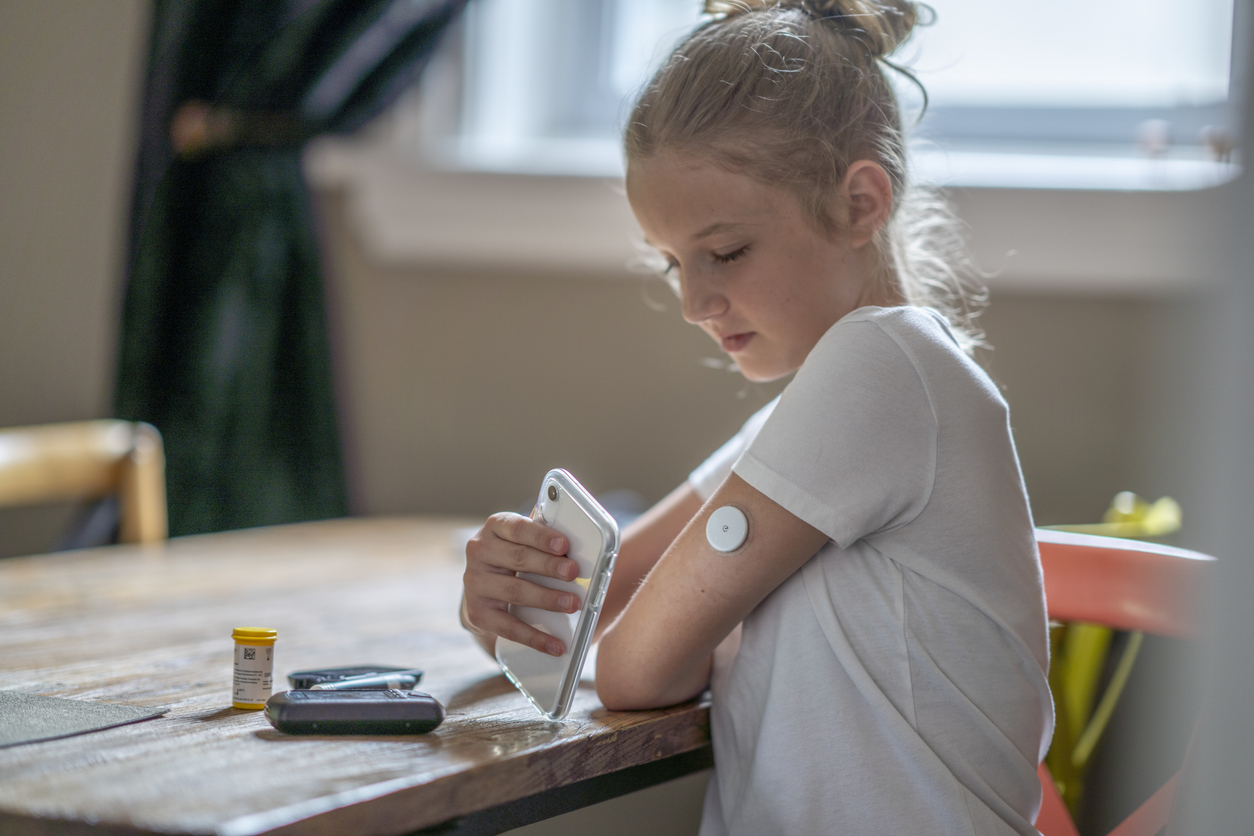
Type 1 diabetes in children. Representative image. (iStock)
Synopsis: Across Indian schools, children with Type 1 diabetes are often asked to “wait till break” before eating, seek permission to check their blood sugar, or follow rigid classroom rules that ignore medical reality. Sudden hypoglycaemia — a sharp drop in blood sugar — can become life-threatening within minutes if not treated immediately.
When a child’s blood sugar drops suddenly inside a classroom, minutes can make the difference between recovery and a medical emergency.
Yet across Indian schools, children with Type 1 diabetes are often asked to “wait till break” before eating, seek permission to check their blood sugar, or follow rigid classroom rules that ignore medical reality.
These everyday practices point to a deeper problem: The absence of clear, enforceable school-level guidelines for managing Type 1 diabetes — a condition that requires constant monitoring and immediate response.
Type 1 diabetes is an autoimmune condition in which the body does not produce insulin. Children with the condition depend on regular insulin, frequent blood sugar monitoring, and immediate access to food or glucose to prevent dangerous fluctuations.
Unlike Type 2 diabetes, it is not linked to lifestyle or diet and often affects children at a young age. Blood sugar levels can drop suddenly due to physical activity, stress, delayed meals or insulin timing — making schools one of the most sensitive environments for management.
“Schools are where children spend most of their waking hours. Any delay or restriction there can have serious consequences,” Shashikant Iyengar, founder of Metabolic Health India, told South First.
Type 1 diabetes is relatively rare among school-age children, accounting for roughly 1–2 percent of all diabetes cases, according to Dr RM Anjana, Managing Director, Dr Mohan’s Diabetes Specialities Centre and President, Madras Diabetes Research Foundation.
“In any given school, there may be four or five children with Type 1 diabetes at most,” she told South First, giving a realistic picture of its prevalence.
Despite this, misconceptions remain widespread. Many parents feel awkward about disclosing their child’s diagnosis, while some schools still treat symptoms like sudden fatigue or inattention as behavioural issues rather than medical emergencies.
Dr Anjana emphasised that “it’s very important to be open about it and inform school authorities, because Type 1 is a condition in which a child can suddenly drop, so timely awareness is critical.”
She also noted that awareness has improved in recent years. Schools increasingly offer peer support, provide guidance to parents, and allow students certain medical leeway during school hours.
Yet, Dr Anjana added, informal understanding alone is not enough — continuous education for teachers, parents, and peers is essential to ensure that children with Type 1 diabetes are treated safely and without stigma.
Sudden hypoglycaemia — a sharp drop in blood sugar — can become life-threatening within minutes if not treated immediately, warns Shashikant Iyengar, who works closely with people living with diabetes.
“If food or juice is delayed even by a few minutes, a child can develop serious complications, including brain injury,” Iyengar said. “In many Indian schools, children are told to wait till break or ask permission. Medically, this is unsafe.”
He explained that hypoglycaemia is often misread in classrooms as inattentiveness or misbehaviour, leading to scolding or further delays instead of urgent care.
According to Iyengar, allowing children with Type 1 diabetes to eat during class and carry glucose, snacks and monitoring devices should be treated as a medical right, not a privilege.
“Blood sugar can drop unpredictably. Insulin doses, physical activity and stress vary from child to child,” he said. “Restricting food or glucose supplies directly endangers life.”
Children must be allowed to carry and use glucometers, continuous glucose monitoring devices, insulin and emergency supplies, and to test blood sugar in class when required, he added.
“Schools often prioritise discipline rules over health needs. These children are not breaking rules — they are managing a lifelong medical condition.”
The lack of awareness among teachers and staff is another major risk. When a child’s condition is unknown, hypoglycaemic episodes may be misinterpreted, leading to delayed or incorrect responses.
“Every school staff member — not just class teachers — should be trained,” Iyengar said. “Support staff, PT teachers, bus attendants and security personnel also need awareness because emergencies can happen outside classrooms.”
Training should include recognising symptoms, allowing immediate food intake, and knowing when and how to seek medical help.
He also pointed out that exams pose special challenges. Stress hormones can cause blood sugar spikes or sudden drops, while long exam durations without breaks increase the risk of hypoglycaemia.
“Children should be allowed to check blood glucose during exams, eat or drink when needed, and use the bathroom without restriction,” Iyengar said, adding that flexibility during assessments is medically justified.
School routines and exam stress can significantly impact a child’s blood sugar levels. “Any stressor — whether it’s an exam, irregular school routine, or prolonged sitting — can affect sugar levels, and in children with Type 1 diabetes, these fluctuations are more pronounced,” said Dr Anjana.
She pointed out that during long examinations, children may experience serious hypoglycaemic events, sometimes even seizures, making anticipation, monitoring, and timely interventions essential.
Dr Anjana stressed that collaboration between parents and schools is key. Parents should be transparent about the child’s condition, while school staff must understand that Type 1 diabetes is not the child’s fault and requires immediate attention if symptoms appear.
“Keeping parents, school authorities, and peers harmonised will help the Type 1 child manage safely and confidently,” she said.
She also highlighted how technology and societal awareness are helping children manage the condition. Devices like insulin pumps can stabilise blood sugar, though affordability remains a challenge in India.
“Peer support and understanding are becoming more common. Even cultural initiatives, like dolls with pumps, are helping normalise Type 1 diabetes,” Dr Anjana noted.
Her message is clear: inclusivity, awareness, and structured support allow children with Type 1 diabetes to thrive at school just like any other student.
Ad-hoc decisions by individual teachers or principals can put children at risk, experts said. Written guidelines ensure clarity, accountability and consistency.
“In many schools, everything depends on informal understanding. That often fails during emergencies,” Iyengar said. “Written SOPs create a safety framework — not just for classrooms, but for sports, field trips, picnics and exams.”
Such guidelines also give children the confidence to attend school safely without fear or stigma.
At the national level, the Central Board of Secondary Education (CBSE) allows students with Type 1 diabetes to carry snacks, glucose tablets, insulin, glucometers and continuous glucose monitoring devices into examination halls, subject to documentation.
However, CBSE does not currently mandate extra exam time for these students.
The National Commission for Protection of Child Rights (NCPCR) has advised education boards to allow children with Type 1 diabetes to eat snacks during class, test their blood sugar, and carry medical supplies during school hours and exams. These recommendations, however, are advisory and depend on states and boards issuing formal circulars.
India does not yet have a uniform, binding national standard operating procedure for managing Type 1 diabetes in schools.
Kerala stands out as a rare example of explicit accommodation. The state government already grants students with Type 1 diabetes an additional 20 minutes per hour in Class 10 and Plus Two state board examinations, a provision extended to vocational higher secondary exams as well.
Recently, the Kerala State Human Rights Commission urged the CBSE to consider similar extra time for CBSE students with Type 1 diabetes, observing that denial of such accommodation could violate the constitutional right to equality and dignity.
Earlier, some states issued limited guidelines. Maharashtra allows children with Type 1 diabetes to eat snacks in class and carry insulin and monitoring devices during school hours and exams.
Uttar Pradesh has issued directives permitting blood sugar checks, insulin use and snacks in schools. Nagaland’s board has also issued instructions allowing food and medical devices during exams.
As doctors warn that delays of even minutes can be dangerous, the question is no longer whether schools should accommodate children with Type 1 diabetes — but whether India will move from scattered advisories to clear, rights-based guidelines that ensure every child can learn safely and with dignity.
(Edited by Muhammed Fazil.)


