


Published Jan 08, 2026 | 3:22 PM ⚊ Updated Jan 24, 2026 | 8:47 PM

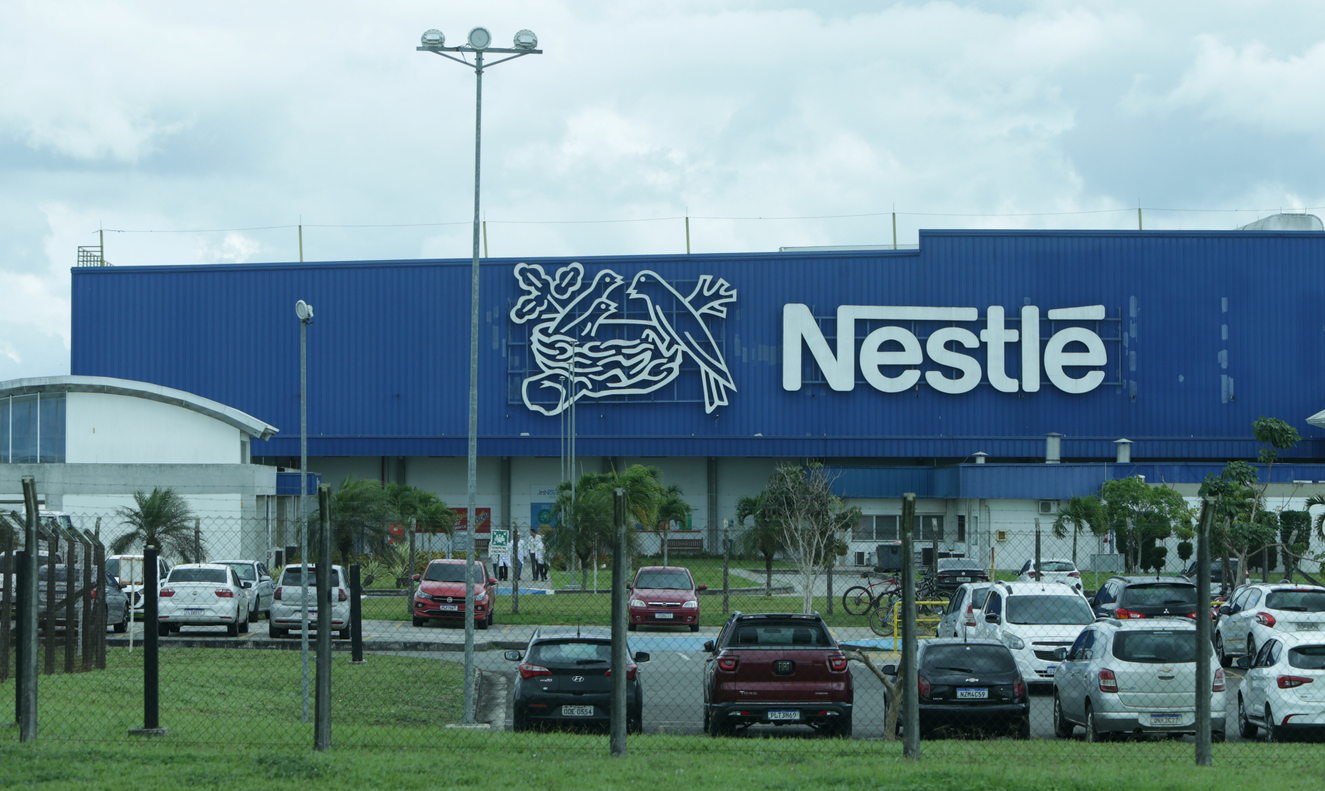
Nestlé added that it is working to minimise any potential supply disruption whilst implementing appropriate actions to help ensure the health and wellbeing of families and their babies. Credit: iStock
Synopsis: Nestlé has recalled select infant formula batches, including SMA, BBA, and NAN, after detecting cereulide toxin contamination in arachidonic acid oil supplied by a manufacturer. No illnesses are reported, and India is not yet affected. Parents are advised to check batch numbers, stop use if listed, and seek refunds. Nestlé stresses safety, transparency, and cooperation with authorities.
The Switzerland-based food company Nestle announced the precautionary measure on 6 January, affecting multiple brands including SMA, BBA, and NAN infant and follow-on formulas. Whilst India is not currently listed amongst the affected countries, Nestlé has cautioned that the list may be updated as investigations progress.
No illnesses have been confirmed in connection with the affected products to date, though the company is working closely with authorities in relevant countries to manage the situation. The recalled batches represent significantly less than 0.5 percent of the company’s annual group sales.
The recall centres on arachidonic acid (ARA) oil, an essential fatty acid routinely added to infant formulas to support babies’ neurological and visual development. This ingredient is designed to mimic components naturally found in breast milk and is used in a range of infant nutrition products sold globally.
During routine testing, Nestlé discovered that batches of ARA oil supplied by a leading manufacturer contained cereulide, a heat-stable toxin produced by certain strains of the bacterium Bacillus cereus. According to the company, the presence of cereulide in oils is “very uncommon”, and the supplier is now conducting a full root-cause analysis to determine how the contamination occurred.
Bacillus cereus is commonly found in the environment, and unhygienic conditions during food processing and storage can give rise to its growth. The toxin it produces, cereulide, is particularly concerning because it remains stable even when heated, meaning standard pasteurisation processes may not eliminate it.
Nestlé has emphasised that this is an isolated incident involving a specific ingredient from one supplier, rather than an indication of wider concerns with the company’s quality protocols. The company stated it is taking necessary actions in affected countries in full cooperation with relevant authorities and in line with its “strict product quality and safety protocols”.
Health experts warn that consuming food contaminated with excessive Bacillus cereus or its heat-stable toxins may cause gastrointestinal upset in infants. Parents and caregivers should watch for symptoms including severe or persistent vomiting, diarrhoea, or unusual lethargy, which typically appear between 30 minutes to six hours after exposure.
Dr Sivaranjani Santosh, a Hyderabad-based paediatrician, advised parents to monitor Nestlé India’s website closely. “So far no reports, but keep a close watch. Go to Nestlé India website and keep checking. If they say that the batch number you’re using needs to be recalled, please stop using it,” she said.
However, Nestlé has stressed that if no symptoms are displayed, there is no cause for concern of any health impact. The company recommends that parents and caregivers who have concerns about their child’s health or nutrition consult their paediatrician or healthcare provider.
Regardless of whether symptoms are present, parents and caregivers are instructed to discontinue use of the product immediately if it is part of the recall in their market.
Nestlé is advising consumers to check their product packaging for the batch number and visit their local Nestlé or product brand webpage to verify whether their formula is affected. The specific brands and products impacted differ on a country-by-country basis.
If a product is part of the recall, parents should stop using it immediately and follow the instructions in the recall notice. The company is offering full refunds for returned products.
“Food safety and the wellbeing of all infants remain our top priority. We understand that this news may cause concern, and we are committed to providing clear, transparent information and support for parents and caregivers throughout this process,” Nestlé said in its recall notice.
The company added that it is working to minimise any potential supply disruption whilst implementing appropriate actions to help ensure the health and wellbeing of families and their babies.
(Edited by Amit Vasudev)


