

Published Jul 23, 2026 | 7:00 AM ⚊ Updated Jul 23, 2026 | 7:00 AM

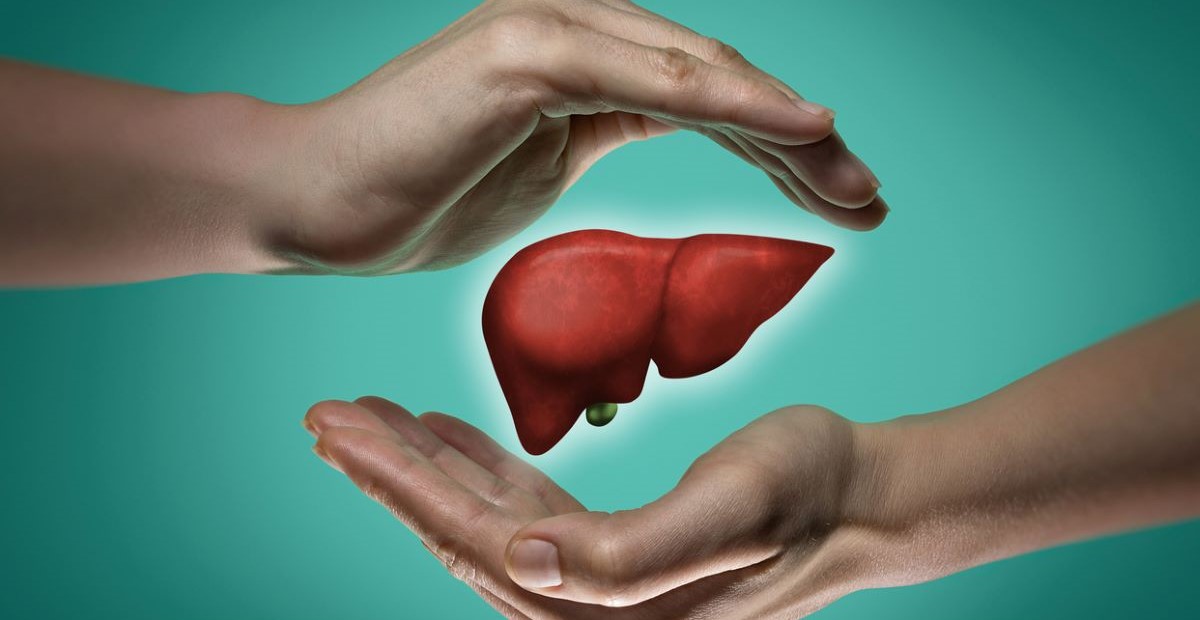
People who ignore fatty liver are not only at risk of liver disease but also cardiovascular disease. (iStock)

Synopsis: Fatty liver disease is no longer just a liver problem. As obesity and diabetes rise in India, specialists warn that MASLD significantly increases the risk of heart attacks and stroke through chronic inflammation and metabolic dysfunction. Doctors urge early ultrasound screening, lifestyle changes and timely treatment to prevent both liver and cardiovascular complications.
For years, fatty liver was an incidental finding. Patients who underwent routine health check-ups were often told they had “a little fat in the liver”. They were advised to lose weight, with the assurance that it was not a concern.
Today, specialists say that understanding has changed dramatically.
Non-Alcoholic Fatty Liver Disease (NAFLD), now renamed Metabolic Dysfunction-Associated Steatotic Liver Disease (MASLD), is increasingly being recognised as a systemic metabolic disorder rather than an isolated liver disease.
Driven by rising obesity, diabetes and sedentary lifestyles, MASLD has become one of India’s fastest-growing chronic diseases. More importantly, evidence now shows that its impact extends beyond the liver, significantly increasing the risk of heart attacks, strokes, heart failure and atrial fibrillation.
For doctors, the shift is important because cardiovascular disease, rather than liver failure, remains one of the leading causes of death among patients with advanced fatty liver disease.
“We no longer consider fatty liver as an isolated liver disease. It is a global metabolic disease closely linked with obesity and diabetes, and together these conditions significantly increase cardiovascular risk,” Dr N Murugan, Senior Hepatologist, Apollo Hospital, Chennai, told South First.
In Conversation: Why is fatty liver becoming India’s silent epidemic
The understanding of fatty liver has evolved considerably over the past decade.
Earlier, hepatologists primarily focused on whether excess fat in the liver would eventually progress to fibrosis, cirrhosis or liver cancer. Today, they increasingly view it as a manifestation of widespread metabolic dysfunction affecting multiple organs simultaneously.
According to Dr Murugan, excess fat in the liver triggers chronic inflammation throughout the body, damaging blood vessels and accelerating the development of cardiovascular disease.
“Excess fat in the liver triggers systemic inflammation. The inflammatory chemicals damage the lining of blood vessels, allowing fat to accumulate and narrow the arteries, increasing the risk of heart attack,” he explained.
Doctors said the cardiovascular danger rises further as fatty liver progresses to Metabolic Dysfunction-Associated Steatohepatitis (MASH), previously known as Non-Alcoholic Steatohepatitis (NASH), where fat accumulation is accompanied by inflammation and liver-cell injury.
“Compared to people who are lean and have no fat, patients with fatty liver have an increased cardiovascular risk, maybe by double the risk. If you have NASH or fibrosis, the risk is even higher,” Dr Murugan said.
Cardiologists said this growing body of evidence has changed how they assess cardiovascular risk.
According to Dr Rajesh Matta, Consultant Interventional Cardiologist, Apollo Hospitals, Navi Mumbai, fatty liver should no longer be viewed simply as a consequence of obesity or diabetes.
“Fatty liver is now considered an independent cardiovascular risk factor, although diabetes, obesity and metabolic syndrome further increase the risk,” Dr Matta said.
He added that patients with fatty liver face “a significantly higher risk of heart attack, stroke, heart failure and atrial fibrillation, especially in advanced disease.”
The biological mechanisms, he said, involve chronic inflammation, insulin resistance, abnormal cholesterol levels and endothelial dysfunction, all of which accelerate damage to blood vessels.
Also Read: Study says eating more veggies can cut liver cancer risk
Another reason doctors describe MASLD as a multisystem disease is its close relationship with diabetes.
Rather than one condition simply causing the other, specialists now believe both arise from the same underlying metabolic dysfunction driven by insulin resistance, obesity and unhealthy lifestyles.
“Fatty liver and diabetes are bi-directional. You can develop diabetes first and then fatty liver, or vice versa. They share the same underlying metabolic dysfunction, including obesity, insulin resistance and unhealthy lifestyles,” Dr Murugan said.
Dr Matta felt this has important implications for clinical practice.
“High-risk patients should be evaluated for fatty liver as part of their overall cardiovascular risk assessment,” he said.
He also argued that fatty liver deserves recognition alongside hypertension, diabetes and smoking as an important marker of cardiovascular disease.
Also Read: More youngsters die of alcohol-related liver diseases
Doctors increasingly describe fatty liver as an early warning sign of declining metabolic health rather than simply another liver disorder.
“Fatty liver is a marker of metabolic health. Sometimes it is the first sign that other metabolic diseases may follow,” Dr Murugan said.
That shift has also changed treatment goals. Instead of focusing solely on preventing liver damage, physicians now aim to reduce the broader burden of diabetes, cardiovascular disease and other metabolic complications through early identification and intervention.
As obesity, diabetes and cardiovascular disease continue to rise across India, specialists say recognising fatty liver early may offer an opportunity to prevent not just cirrhosis, but a range of life-threatening metabolic complications, including heart disease.
Also Read: Study blames alternative medicines for 42% of deaths due to liver ailments
The growing recognition of fatty liver as a cardiovascular risk factor has also changed how doctors approach treatment. Rather than focusing solely on preventing liver damage, the goal is to improve overall metabolic health through weight loss, healthier diets, exercise and better control of diabetes.
“Treating or reversing fatty liver helps reduce cardiovascular risk. Weight loss, a healthy diet, exercise, and treating diabetes or obesity are all part of fatty liver treatment, and they also benefit heart health. By reducing liver fat and inflammation, we can reduce damage to blood vessels,” Dr Murugan said.
The emergence of newer anti-obesity drugs has further strengthened hopes of tackling the disease. GLP-1 receptor agonists such as semaglutide and dual agonists like tirzepatide (Mounjaro) are increasingly being used in patients with obesity and fatty liver.
“GLP-1 drugs such as semaglutide are particularly useful in patients with obesity and fatty liver because reducing body weight and liver fat is also likely to improve cardiovascular health. However, direct evidence linking improvement in fatty liver alone to fewer cardiovascular events is still evolving,” Dr Murugan said.
Dr Matta agreed that improving liver health can have broader cardiovascular benefits.
“Improving fatty liver through weight loss and appropriate treatment can reduce overall cardiovascular risk,” he said.
One of the biggest challenges with fatty liver is that it often remains silent for years. Many patients discover they have the condition only during routine health check-ups, while others ignore the diagnosis because they have no symptoms.
Dr Murugan recommended that adults above 30 to 40 years of age—and younger people with obesity, diabetes, hypertension or excessive alcohol consumption—should undergo liver screening.
“The basic screening tests are an ultrasound of the abdomen and a liver function test. If either is abnormal, patients should consult a physician or hepatologist. About one in four patients with fatty liver may develop cirrhosis over the next decade if the disease is ignored,” he warned.
He added that the consequences extend beyond liver disease.
“People who ignore fatty liver are not only at risk of liver disease but also cardiovascular disease. Around 20 to 30% may develop cardiac disease. People should not dismiss fatty liver as something harmless,” he said.
Doctors also cautioned that routine blood investigations are not enough to detect fatty liver.
Many preventive health packages rely largely on blood tests, leading patients to believe a normal liver function test means they have a healthy liver.
“Fatty liver cannot be detected through a blood test alone. It can only be identified on an ultrasound. That’s an important message because many people undergo only blood tests during health check-ups,” Dr Murugan said.
Also Read: Food first, supplements only when needed
Although fatty liver has traditionally been considered an urban disease, specialists say that distinction is fading as lifestyle changes spread to smaller towns and rural India.
Dr Murugan said recent surveys suggested that fatty liver affects around 40-45% of urban Indians and 20-25% of rural populations, compared with only 10-15% in rural areas a decade ago.
“The urban-rural gap is narrowing because semi-urban and rural populations are adopting calorie-rich diets, sedentary jobs and unhealthy lifestyles. If this continues, there may soon be little difference between urban and rural India,” he said.
He cited changing food habits as an example.
“In Chennai, you even have ‘night biryani’ being marketed. These kinds of things have become fashionable among young people, but they are damaging health in the long term,” he said.
Doctors said simple lifestyle measures—maintaining a healthy weight, exercising regularly, eating balanced meals, getting adequate sleep and avoiding late-night eating—remain the most effective way to prevent both fatty liver and cardiovascular disease.
For cardiologists, the message is equally straightforward.
“Fatty liver should be recognised as an important marker of increased cardiovascular risk. People should maintain a healthy weight, exercise regularly, eat a balanced diet, avoid alcohol, and control blood sugar, blood pressure and cholesterol,” Dr Matta said.
(Edited by Majnu Babu).



