

Published Jun 19, 2026 | 9:00 AM ⚊ Updated Jun 19, 2026 | 9:00 AM

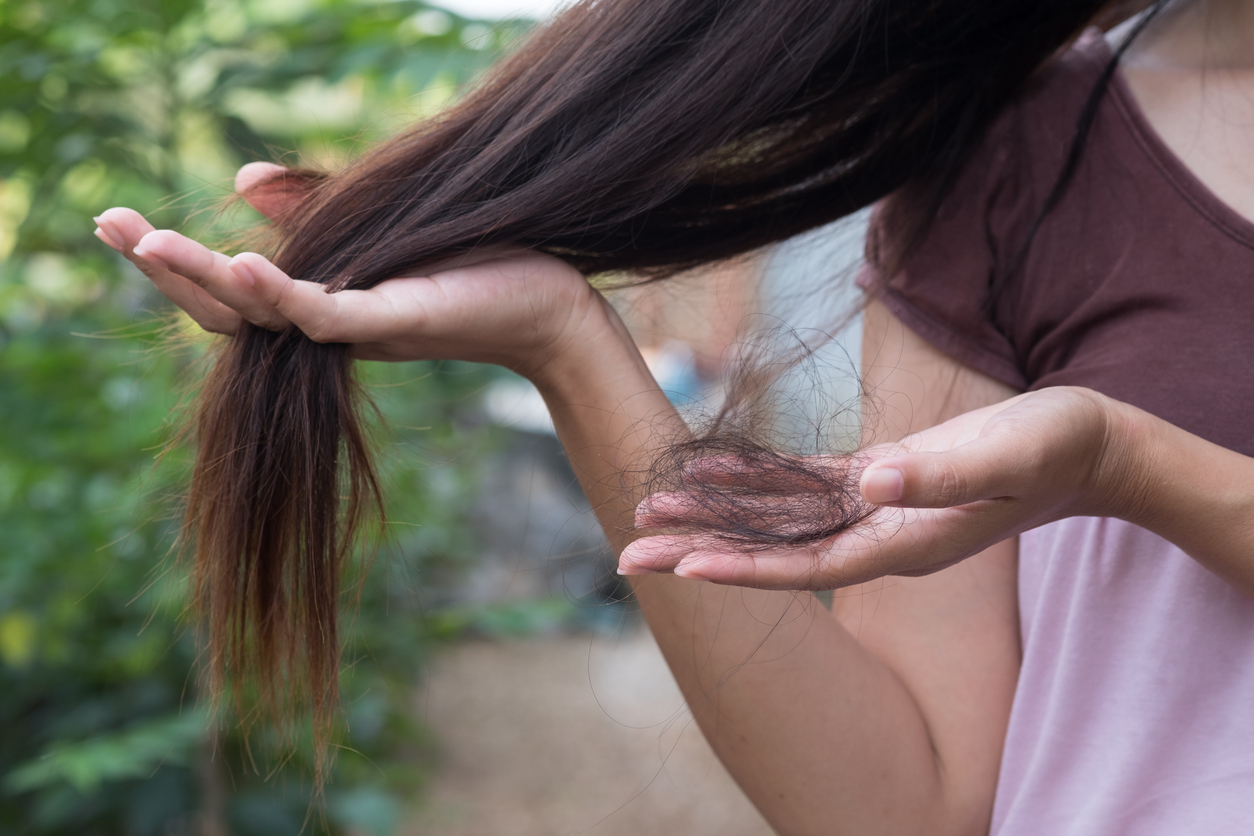
Representational image. Credit: iStock

Synopsis: Dermatologists link summer hair shedding to heat, dehydration, sweating and air pollution. Extreme temperatures push follicles into the resting phase, while sweat mixed with oil clogs follicles. Outdoor and indoor pollutants damage follicles through oxidative stress. Most shedding is temporary but persistent loss warrants medical evaluation.
Finding more hair on your comb, pillow or bathroom floor during the summer can be alarming. While some seasonal shedding is normal, dermatologists say rising temperatures, excessive sweating, dehydration and even air pollution can all affect scalp health and contribute to temporary hair loss.
India has recorded longer and more intense heat waves in recent years. Prolonged exposure to extreme heat affects multiple aspects of health, including the skin and scalp.
Hair grows in cycles. Some follicles are actively producing new strands while others rest. Stressors such as illness, heat, dehydration and poor sleep can push a larger number of follicles into the shedding phase simultaneously, producing a visible increase in hair fall.
“Extreme heat can put stress on the body, leading to dehydration and poor sleep among other factors,” says Dr Mehak Gupta, Assistant Professor, Department of Dermatology, NIIMS Medical College and Hospital. “These factors can push more hair follicles into the resting phase of the hair cycle, leading to increased hair shedding a few weeks to months later.”
Dr Gupta adds that excessive heat may also increase scalp inflammation and oxidative stress, both of which can interfere with hair growth.
Sweat itself does not cause permanent hair loss. The problem arises when sweat combines with oil, dirt and pollutants on the scalp. This mixture can clog hair follicles, irritate the scalp and worsen conditions such as dandruff and folliculitis.
“Frequent sweating can make hair appear limp and difficult to manage,” Dr Gupta notes. Dermatologists recommend washing hair regularly with a mild shampoo and avoiding heavy products that trap debris against the scalp.
She added direct UV radiation damages the proteins that give hair its structure. Hair shafts weaken and become more prone to snapping at the surface, something readers often mistake for root-level hair loss. Wearing a scarf or hat and limiting prolonged exposure to direct sunlight can reduce this damage.
The body prioritises vital organs when fluid levels fall. Hair, not being essential for survival, receives less nutritional support under conditions of dehydration. This reduces scalp moisture and affects hair quality, making strands dry, brittle and more likely to shed. Drinking adequate water throughout the day is among the simplest protective measures available.
Heat is not the only environmental factor affecting hair health. Dermatologists say air pollution is increasingly emerging as another contributor to scalp irritation and hair damage, particularly in densely populated urban areas.
A study by Hair Transplant Surgeon and Trichologist, Rajendrasingh Rajput, “Understanding Hair Loss due to Air Pollution and the Approach to Management,” found that pollutants contribute to scalp irritation, redness, itching, excess oil production, dandruff and hair shedding. Researchers describe this cluster of symptoms as “sensitive scalp syndrome,” which can resemble androgenic alopecia and requires clinical evaluation to distinguish between the two.
Dr Gupta connects this to a biological mechanism. “Pollutants such as dust, smoke and particulate matter accumulate on the scalp and hair shaft, causing irritation and weakening of the hair,” she says. Research suggests that pollutants damage hair follicles through oxidative stress, contributing to thinning and premature loss.
Many people assume pollution is an outdoor problem. It is not. Rajput’s study found that household goods, furniture, paints, cleaning products, release volatile organic compounds, or VOCs, into enclosed spaces. Heating and cooling systems then recirculate these compounds, which settle on the scalp and hair over time.
Given that most people spend the majority of their working and resting hours indoors, this exposure can accumulate significantly, even without any time spent near traffic or industrial areas.
Also Read: Popular hair loss treatment linked to infant hair growth, adult eye disorders
Dermatologists recommend several steps to protect scalp health during summer:
Seasonal shedding is usually temporary. Consult a dermatologist if:
Dermatologists say that most summer-related hair shedding improves once temperatures moderate and scalp health is restored. However, persistent hair loss, visible thinning or ongoing scalp irritation should not be ignored. Dermatologists say early evaluation can help identify underlying causes and prevent further damage.



