

Published Dec 08, 2025 | 7:00 AM ⚊ Updated Dec 08, 2025 | 7:01 AM

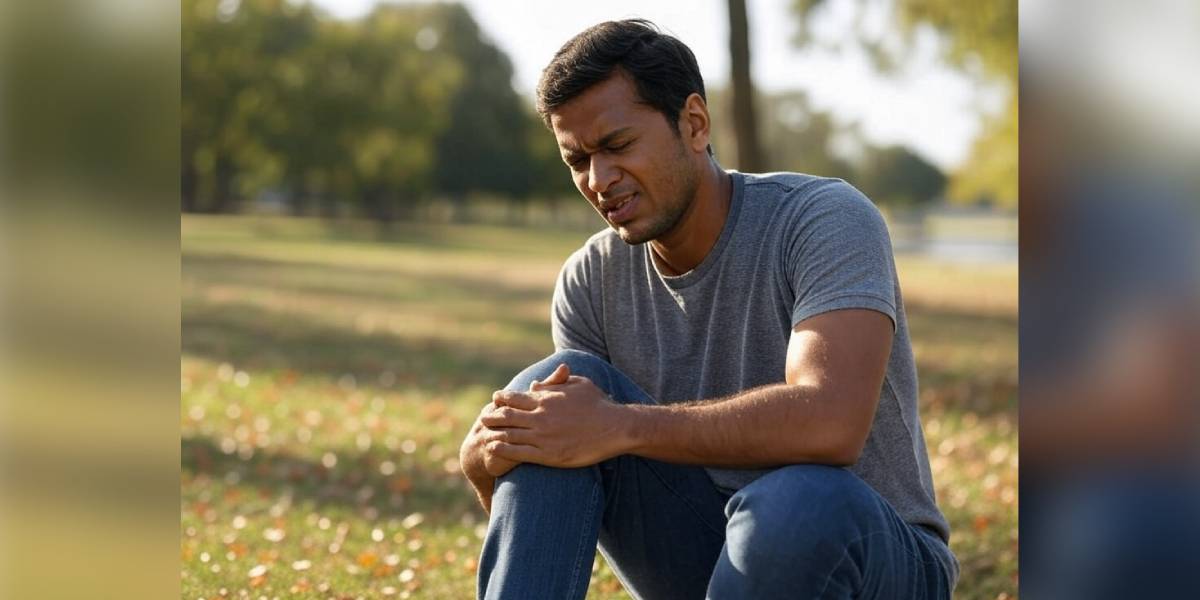
Doctors said there are combinations of well-understood psychological and behavioural factors behind joint pain.
Synopsis: A drop in temperature lowers atmospheric pressure, leading to tissues around the joints to expand. This microscopic swelling increases tension inside the joint capsule, intensifying pain in patients with arthritis or past injuries.
As temperatures dip across several states, hospitals and clinics are reporting a familiar seasonal surge: complaints of joint stiffness, knee pain, backaches, and flare-ups of arthritis.
Orthopaedic and rheumatology experts said that winter isn’t the cause of joint symptoms, but it definitely triggers these in people who are already prone to them.
Speaking to South First, Dr Raviprasad Kattimani, Orthopaedic Surgeon at Sparsh Hospital in Bengaluru’s Rajarajeshwari Nagar, agreed that people experience more joint pains in winter than during other seasons.
“Those with a history of arthritis, and even people in general, experience joint pains in winter,” he said.
Doctors said there are combinations of well-understood psychological and behavioural factors behind joint pain.
A drop in temperature lowers atmospheric pressure, leading to tissues around the joints to expand. This microscopic swelling increases tension inside the joint capsule, intensifying pain in patients with arthritis or past injuries, explained Dr Manoj Kumar, another Bengaluru-based Orthopaedic Surgeon.
Dr Kattimani explained that in winter, blood is redirected to vital organs to conserve heat. Limbs receive less circulation, leading to stiffness and slower joint lubrication.
“Blood supply to the muscular skeletal system, mainly the joints, will be reduced as the blood will be diverted to other organs like the heart, lungs and kidneys. Also, joint fluid becomes thicker due to stiffness, and that leads to more pain,” he explained.
Dr Kattimani said the nerves become more irritated due to increased thickness of joint fluid.
Due to winter chills, many people prefer to stay indoors, resulting in less physical movement. This lower physical activity during winter, doctors said, reduces mobility and weakens muscles, allowing more stress to fall on the joints.
Sitting in one place for a prolonged time can also cause joint pain during winter. Meanwhile, a lot of people forget to hydrate themselves due to winter.
Doctors recommend that people avoid sitting in one place and instead, move around during winter.
Dr Kumar said that keeping the joints warm, by using knee caps, gloves or compression sleeves and socks, could help prevent the pain. He also recommended covering joints during early morning cold drafts.
Doctors also suggested starting the day with a bit of stretching. “Start your mornings with five to seven minutes of stretching, do some joint rotations, and light yoga movements can also be done,” Dr Kumar said.
Dr Kattimani said, besides walking indoors, one can also jog, maybe later in the day and not early in the mornings. “Contrary to the belief that movement aggravates the pain, it helps a lot.”
Also, reduced sunlight exposure worsens vitamin D deficiency, and doctors recommend checking vitamin D levels if the pain persists.
Doctors suggested home remedies like warm compressions, light massage with anti-inflammatory oils, using slippers inside the house if there are marble floors, topical gels and sprays.
(Edited by Majnu Babu).


