

Published Mar 29, 2026 | 6:31 AM ⚊ Updated Mar 29, 2026 | 6:31 AM

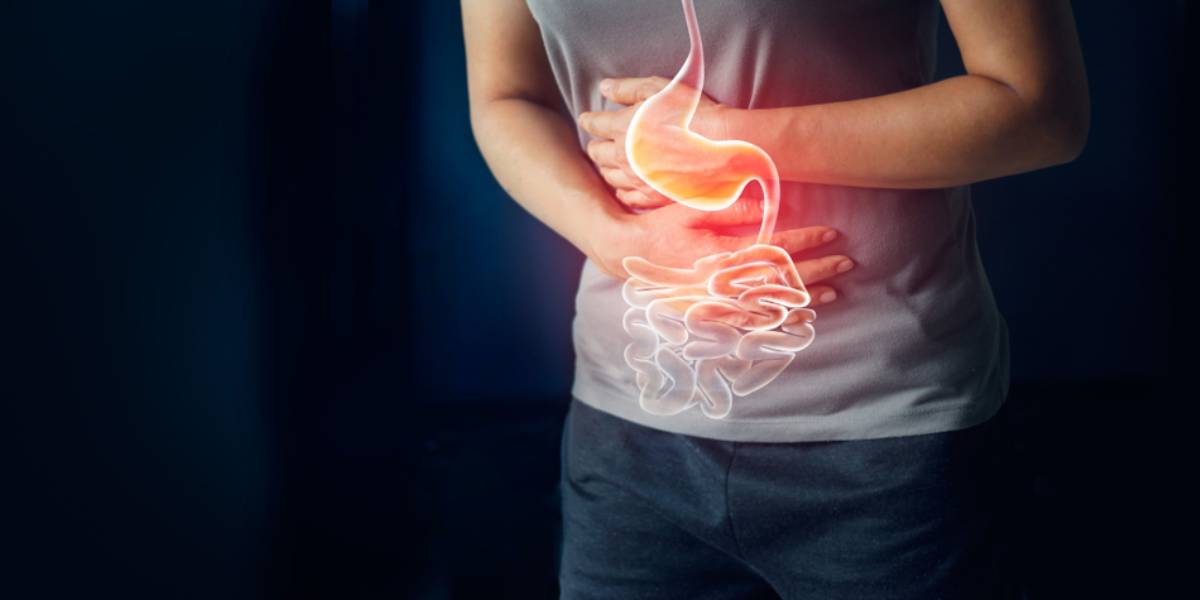
Shigellosis is a bacterial infection that affects the bowel and causes diarrhoea or dysentery
Synopsis: The death of a three-year-old girl due to shigellosis in Kerala has drawn attention to the infection, with doctors warning that the bacteria spreads easily through contaminated food, water and poor hygiene, and can cause severe diarrhoea and dehydration, especially in children.
The recent death of a three-year-old girl in Kerala’s Kozhikode district due to shigellosis has brought attention to the bacterial illness, with 15 more cases reported across the State in March.
The outbreak has prompted increased surveillance and renewed calls for strict hygiene practices to prevent further spread.
Globally, the disease caused by Shigella is estimated to affect around 188 million people annually, leading to about 1,64,000 deaths, many among young children. Doctors say the infection spreads easily but can often be controlled with early care and good hygiene.
“Shigellosis is a bacterial infection that affects the bowel and causes diarrhoea or dysentery,” said Dr Surendran R, Consultant, Infectious Diseases, SIMS Hospital, Chennai.
The infection can cause repeated loose stools, fever, abdominal pain and sometimes mucus or blood in the stool.
Dr Surendran explained to South First that the disease spreads easily because even very few bacteria can infect another person, usually through contaminated food, water or surfaces.
According to Dr Dinesh Ramaswamy, Senior Consultant, Surgical Gastroenterology at SIMS Hospital, Chennai, the infection can be more severe than many other diarrhoeal illnesses because the bacteria directly invade the lining of the large intestine.
“Shigella mainly infects the colon and creates ulcerations in the intestinal wall, which is why bleeding in stools is commonly seen,” he told South First, adding that irritation of nerves in the intestine can also cause severe cramps and a constant urge to pass stool.
Symptoms usually begin with fever, abdominal pain and repeated diarrhoea. Some patients may also notice mucus or blood in their stool and feel a persistent urge to defecate.
“People should seek medical help if diarrhoea occurs frequently, blood appears in the stool, or they develop severe weakness, dehydration or high fever,” Dr Surendran said.
He added that older adults, young children and those with underlying conditions such as heart, kidney or liver diseases should seek medical care early if symptoms appear.
Children are often affected during outbreaks because they spend time in close contact in schools or childcare settings, and may not always follow strict hygiene practices.
Dr Ramaswamy said the condition of children can deteriorate faster because diarrhoea can lead to rapid fluid loss and dehydration.
Warning signs in children include:
● Unusual sleepiness or lethargy
● No urine passed for 4–6 hours
● Persistent crying or irritability
● Blood in stool
● Seizures or confusion
These signs require immediate medical attention.
“After a Shigella infection, the intestinal lining remains inflamed for some time and needs time to recover,” Dr Ramaswamy said.
He advised patients to eat light and easily digestible foods such as dal rice, curd rice or idlis, while avoiding oily or fried items.
“Fermented foods like curd or yoghurt and probiotic supplements can help restore gut balance,” he said, noting that some patients may also develop temporary lactose intolerance, making it better to avoid milk for a short period.
● Wash hands with soap before eating or cooking and after using the toilet
● Drink safe or boiled water, especially when travelling
● Eat freshly cooked food and avoid raw salads from outside
● Wash and peel fruits before eating
● Maintain hygiene when caring for someone with diarrhoea
● Dispose of diapers or contaminated waste carefully and clean the area thoroughly.
(Edited by Majnu Babu).


