

Published Apr 02, 2026 | 7:00 AM ⚊ Updated Apr 02, 2026 | 7:00 AM

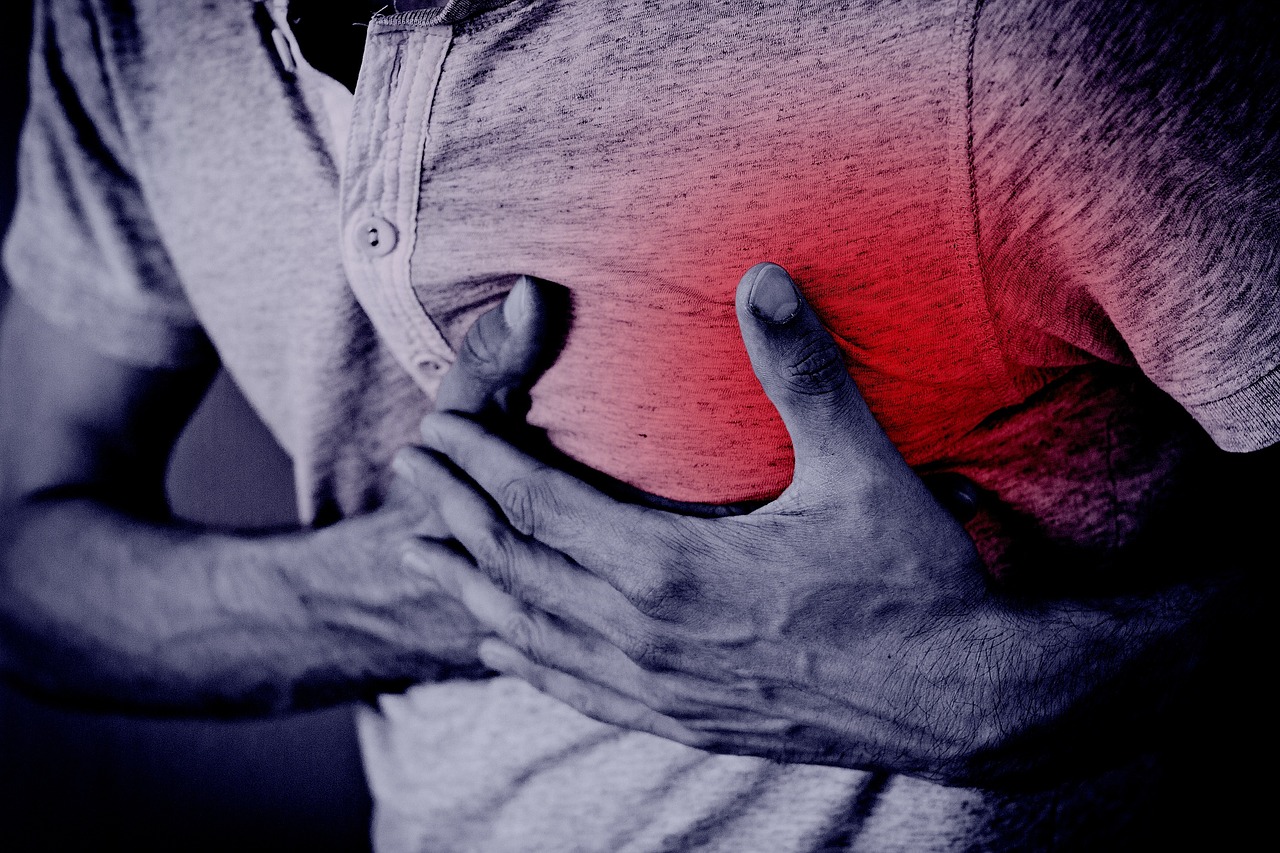
To cool itself, the body widens blood vessels, which can lower blood pressure, forcing the heart to pump harder.
Synopsis: Extreme heat during the Indian summer can trigger dehydration, heart rhythm problems and heart attacks. Doctors warn that the elderly, heart patients, and outdoor workers are most at risk.
Did you know that extreme heat can trigger heart attacks? While cold temperatures are often linked to heart attacks, doctors say intense heat during heatwaves can also trigger serious cardiac problems.
As heatwaves intensify across India, hospitals are reporting more patients arriving with dehydration, heart rhythm disturbances and even sudden cardiac events.
According to the World Health Organisation, heatwaves in India typically occur between March and June, sometimes spilling over to July.
A heatwave is declared when temperatures reach 40°C or more in the plains and 30°C in hilly regions or rise 4.5°C above normal, while coastal areas are considered under heatwave conditions when temperatures reach 37°C or more with a similar departure from normal.
Between 2015 and 2022, the National Centre for Disease Control recorded 3,812 heat-related deaths, while the National Crime Records Bureau reported 8,171 deaths linked to heat exposure during the same period.
“During heatwaves, we do see an increase in cardiovascular events. It is not just worsening of pre-existing disease — we also see fresh heart attacks,” said Dr Balamurugan, Consultant – Interventional Cardiology, SRM Prime Hospital, Chennai.
He told South First that scientific literature and global health agencies have also linked extreme temperatures to increased heart attacks, heart failure admissions and even sudden cardiac deaths.
Clinically, too, hospitals often notice more cardiac patients during intense heat periods.
“The first thing heat causes is dehydration, which reduces plasma volume and makes the blood thicker. Thicker blood is more prone to clotting,” he said.
To cool itself, the body widens blood vessels in the skin and extremities, a process known as peripheral vasodilation. This can lower blood pressure, forcing the heart to pump harder, increasing strain on the heart, he explained.
Extreme heat can also cause electrolyte imbalances such as low sodium, potassium and magnesium. These changes can disrupt electrical signals in the heart and trigger abnormal rhythms known as arrhythmias.
Emergency physicians said hospitals often see patients arriving with a combination of heat-related illness and cardiovascular complications during peak summer.
“During peak heatwaves, we usually see a dangerous mix of direct heat illness and cardiovascular crisis,” said Dr Neeraj Mangla, Consultant, Emergency Medicine at MGM Malar Hospital, Adyar.
Extreme heat forces the body to work harder to regulate its temperature, increasing the workload on the heart, he told South First.
As a result, hospitals frequently see worsening heart failure, irregular heartbeats and dehydration-related complications.
Heart attack symptoms may be mistaken for heat exhaustion
Doctors have warned that heart attacks during extreme heat can sometimes be misinterpreted as simple heat exhaustion.
Severe dehydration can reduce blood volume and make the blood more viscous, increasing the likelihood of clot formation.
At the same time, heavy sweating can cause the body to lose essential electrolytes like potassium and magnesium, which can trigger dangerous arrhythmias.
“Many patients mistake symptoms like extreme fatigue or dizziness for heat exhaustion and delay seeking help,” Dr Mangla said, adding that such delays can increase the risk of serious complications.
Certain groups are particularly vulnerable to heat-related cardiac problems.
“The most vulnerable group is the elderly population,” Dr Balamurugan said.
People with pre-existing heart disease, hypertension or those taking medications such as diuretics may become dehydrated faster.
Outdoor workers or individuals spending long hours in high temperatures without proper hydration may also face increased risk.
Doctors suggested a few simple precautions that can help reduce the risk of heat-related cardiac problems during extreme temperatures.
(Edited by Majnu Babu).


