

Published Nov 15, 2026 | 12:00 PM ⚊ Updated Nov 15, 2026 | 12:00 PM

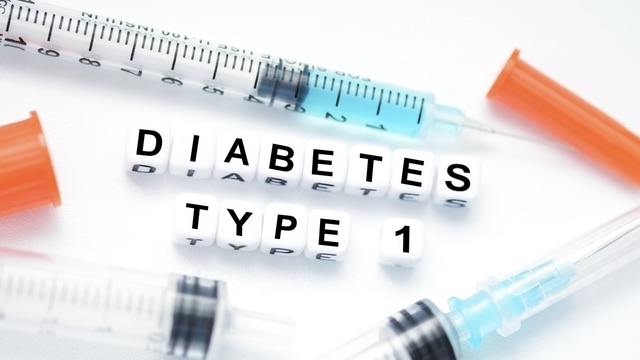
More than 100 years after the discovery of insulin, access to the lifesaving medicine remains a challenge for many.

Synopsis: The WHO has issued its first guidelines for managing type 1 diabetes in adults, outlining 14 recommendations on insulin therapy, diagnosis and glucose monitoring, with emphasis on affordable treatment and access across healthcare settings.
The World Health Organization (WHO) has issued its first-ever guidelines on the diagnosis and management of type 1 diabetes in adults, recommending multiple daily insulin injections, regular blood glucose monitoring and wider access to affordable insulin.
Released on 14 November, marking World Diabetes Day 2026, the guidelines contain 14 recommendations covering diagnosis, insulin treatment, insulin delivery and blood glucose monitoring. They are designed to apply across healthcare settings, including low-resource, emergency and humanitarian settings.
More than 100 years after the discovery of insulin, access to the lifesaving medicine remains a challenge for many people with type 1 diabetes. The condition occurs when the body’s immune system destroys insulin-producing cells in the pancreas, leaving it unable to produce sufficient insulin. People with the condition require lifelong insulin therapy to survive.
According to WHO, around 9.5 million people were living with type 1 diabetes globally in 2025, with another 500,000 diagnosed during the year. Although traditionally considered a childhood condition, a substantial proportion of new cases occur in adults.
“Insulin is a lifesaving treatment, discovered more than 100 years ago. Yet many people with type 1 diabetes do not have access to affordable and high-quality insulin,” said Dr Søren Brostrøm, WHO Director of Noncommunicable Diseases and Mental Health.
“The new WHO guidelines provide evidence-based recommendations to help countries deliver the best possible care, including in settings where resources are limited and health services are disrupted,” he added.
WHO strongly recommends intensified insulin therapy for adults with type 1 diabetes. This involves multiple daily injections, with doses adjusted according to blood glucose levels. The guidelines also recommend considering this treatment approach in emergency and humanitarian settings.
For mealtime insulin, WHO says either human insulin or insulin analogues can be used, but identifies human insulin as the preferred option because it is generally less expensive. It also recommends considering ultra-rapid-acting insulin analogues at mealtimes or after meals.
For background insulin requirements, either human insulin or insulin analogues can be used, with human insulin again preferred because of its lower cost. The guidelines also recommend considering once-daily long-acting insulin analogues, administered at a time preferred by the patient.
WHO further recommends considering premixed human insulin or a combination of intermediate-acting NPH and regular human insulin, either mixed by the patient from separate vials or delivered using separate pens.
The guidelines also suggest considering insulin pens over syringes for insulin delivery.
For monitoring long-term blood glucose control, WHO recommends offering glycated haemoglobin (HbA1c) testing at intervals of up to three months. The target should be an HbA1c level of 7 percent or lower (53 mmol/mol) in most adults with type 1 diabetes.
For self-monitoring, the guidelines recommend considering finger-prick blood glucose testing, real-time continuous glucose monitoring (rtCGM) or intermittently scanned continuous glucose monitoring (isCGM). They also recommend considering frequent blood glucose monitoring, at least three times a day. Where blood glucose testing is unavailable, urine glucose testing can be considered as an alternative.
On diagnosis, WHO recommends considering diabetes-specific biomarkers, including pancreatic islet cell autoantibodies and serum or plasma C-peptide, when the diagnosis of type 1 diabetes in adults is uncertain.
The guidelines contain one strong recommendation and 13 conditional recommendations. Conditional recommendations mean that treatment decisions should account for individual circumstances, available resources and patient preferences.
WHO has highlighted that adults with type 1 diabetes are sometimes misdiagnosed as having type 2 diabetes, particularly where access to diagnostic tools and specialist care is limited. Delayed diagnosis can result in inappropriate treatment and increase the risk of diabetic ketoacidosis, a potentially life-threatening complication.
The guidelines support WHO’s global target of ensuring that 100 percent of people with type 1 diabetes have access to affordable insulin treatment and blood glucose self-monitoring by 2030. WHO will support countries with implementation tools and monitoring frameworks, while encouraging governments to involve people living with type 1 diabetes in designing and evaluating diabetes programmes.
Globally, 830 million people were living with diabetes in 2022, with more than 40 percent unaware that they had the condition.
(Edited by Dese Gowda)



