


The study proves India can deliver anaemia screening and treatment to more than 90% of any population if it commits resources.

Published Jan 05, 2026 | 8:00 AM ⚊ Updated Jan 05, 2026 | 8:00 AM

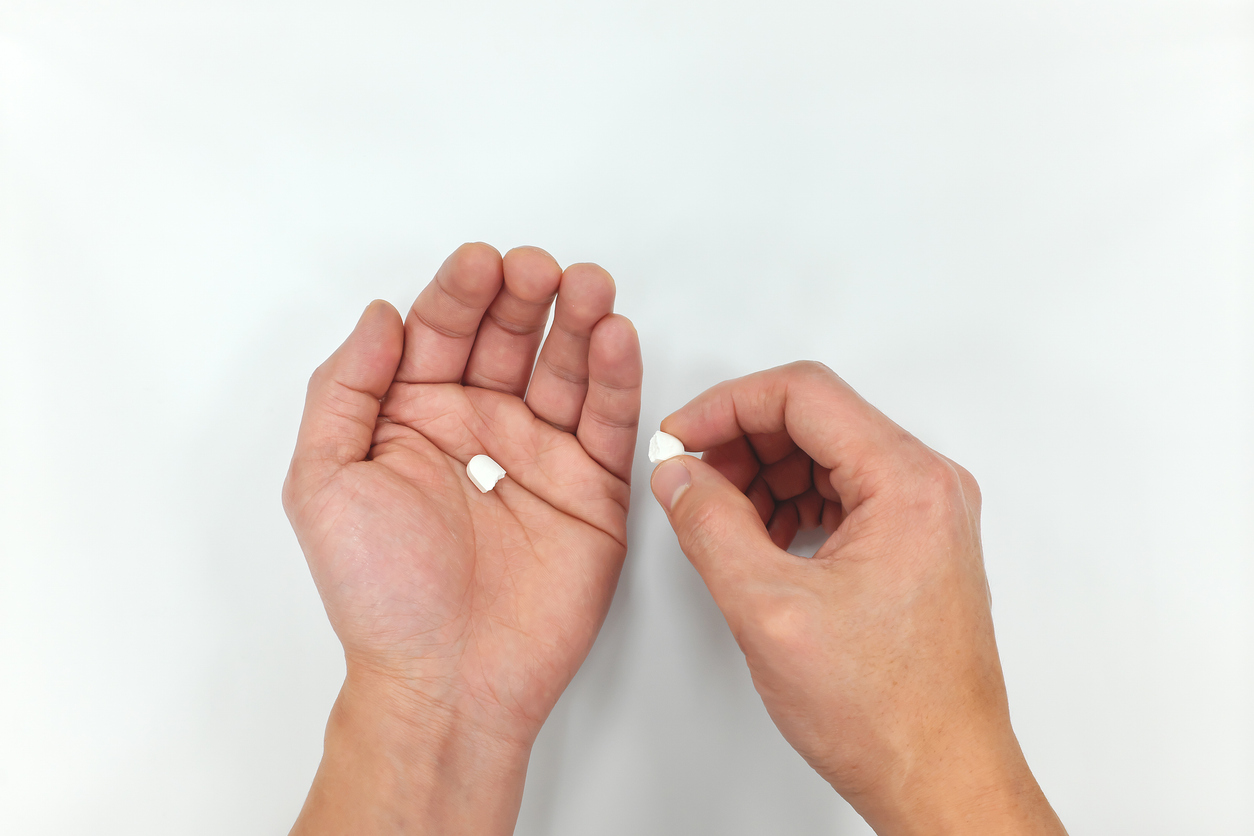
Representational image. Credit: iStock
Synopsis: A BMJ Global Health study in 14 Telangana villages showed doorstep anaemia screening and iron pill delivery reached over 90% of participants, yet only 32% complied. Despite eliminating barriers, prevalence fell just 3 points overall. Adolescent girls benefited most, but many healthy participants became anaemic. Findings highlight India’s challenge: behaviour, not access, undermines anaemia control.
Scientists brought blood testing to every doorstep in 14 Telangana villages. They screened 5,431 people for anaemia and identified who needed treatment. They delivered iron pills to homes, returned the next month, and the month after that. They explained the health risks and ran awareness campaigns. They built trust with communities.
Then they counted how many people actually took the medicine.
The answer: 32 percent.
A study published in BMJ Global Health reveals that even when researchers eliminate every barrier to anaemia treatment (distance to clinics, unavailable supplies, lack of awareness), most people still refuse the pills. The finding exposes a crisis in India’s fight against anaemia that has nothing to do with healthcare access and everything to do with human behaviour that researchers cannot explain.
Hyderabad based Indian Council of Medical Research’s National Institute of Nutrition(ICMR-NIN) designed the trial to test whether bringing healthcare to people would work better than waiting for people to come to healthcare. Between June 2021 and July 2022, they enrolled 6,131 participants across seven villages for the intervention.
Workers set up portable blood analysers within 200 metres of every home. They tested haemoglobin levels on the spot. People with anaemia received therapeutic iron-folic acid supplements. Healthy people received preventive doses. Workers delivered pills to doorsteps monthly for three months.
The logistics succeeded spectacularly. The team screened 88.6 percent of eligible participants. They delivered supplements to 97 percent of people who needed them, far exceeding what India’s health system typically achieves. Under the national Anaemia Mukt Bharat programme, only 15 percent of children under five and 23 percent of out-of-school adolescents receive iron supplements.
“We eliminated these challenges by point-of-care screening near participants’ homes and door-step delivery of IFA doses to more than 90 percent of subjects during three-month intervention, which is higher compared with what is usually achieved by the health system,” the researchers wrote.
The health outcomes told a different story.
Overall anaemia prevalence dropped from 32.5 percent to 29.6 percent, a reduction of just 3 percentage points. Population haemoglobin levels showed no significant change in unadjusted analysis. After accounting for household income, education, and other factors, haemoglobin increased by only 0.25 grams per decilitre.
When researchers examined why the intervention barely worked, they found their answer in pill bottles. Among people prescribed therapeutic doses for anaemia, only 32 percent consumed what doctors recommended. Those receiving preventive doses fared slightly better at 47.5 percent compliance.
“Our assumption that compliance to IFA would be better if participants become aware of their anaemia status and its potential consequences did not prove to be correct,” Dr Bharati Kulkarni, Director of ICMR-NIN, admitted in the published paper.
The researchers had launched an integrated behaviour change communication campaign throughout the trial. They explained anaemia risks. They counselled families. They followed up monthly. None of it moved compliance rates high enough to achieve the impact they anticipated.
People offered various reasons for not taking pills: forgetfulness, perceived side effects, disinterest, illness, travel, or no particular reason at all. About 3.2 percent reported side effects like nausea, vomiting, and abdominal pain in the first month, but this dropped to 0.8 percent by month three, suggesting side effects alone cannot explain why two-thirds of people stopped treatment.
The intervention did succeed dramatically for one group: adolescent girls aged 10 to 19 years.
Their anaemia prevalence plummeted from 56 percent to 40.7 percent, a reduction of 15.3 percentage points. Their mean haemoglobin jumped by 1.03 grams per decilitre after adjustment for confounding factors. Women of reproductive age also benefited, though less dramatically, with anaemia falling from 56.5 percent to 52 percent and haemoglobin rising by 0.39 g/dL.
“The impact was most pronounced among high-risk groups, especially among adolescent girls,” said Dr Raghu P, Scientist F, who co-led the study.
The pattern made biological sense. Previous research shows adolescent girls have three times higher iron deficiency rates than boys (30.4 percent versus 11.5 percent). Women of reproductive age in Telangana show approximately 70 percent iron deficiency prevalence. When the underlying problem stems from iron deficiency, iron supplements work.
But children under 10, adolescent boys, and adult men showed no significant haemoglobin improvement. Boys had only 16.8 percent baseline anaemia, mostly mild cases. Adult men started at 6 percent anaemia, with 92 percent of cases classified as mild. Their anaemia likely stemmed from causes other than iron deficiency, making iron supplements ineffective.
The trial produced one result researchers did not anticipate: healthy people becoming anaemic.
About 20 percent of children aged six to 59 months who started non-anaemic became anaemic by the study’s end. Among adolescent girls, 24 percent of initially healthy participants developed anaemia. For women of reproductive age, the figure reached 30 percent.
All of these people received preventive iron supplements for three months.
Mean haemoglobin among non-anaemic groups declined by 0.57 g/dL from baseline to endline. The study offers no explanation for this decline, though it suggests natural variation in haemoglobin levels or causes of anaemia unrelated to iron deficiency.
Among people who did have anaemia at baseline, results remained disappointing. Only 48 percent of those with mild anaemia and 29.5 percent of those with moderate anaemia became non-anaemic after three months of treatment. Nearly 20 percent of mild anaemia cases worsened to moderate anaemia.
The villages in this trial started healthier than Telangana state averages. National Family Health Survey-5 data shows 70 percent of children under five across Telangana have anaemia. This study’s baseline figure: 47.4 percent. NFHS-5 reports 64.7 percent anaemia among adolescent girls statewide. This study found 43.6 percent. Women of reproductive age: 57.8 percent statewide versus 48.4 percent in the study.
The researchers achieved modest gains in villages that had already won part of the battle against anaemia. Whether the same intervention would succeed or fail in areas matching state-level burden remains unknown.
“Generalisability of these findings to diverse settings (i.e. urban and other geographical regions) needs to be tested, as the trial was conducted in a rural area,” the researchers acknowledged.
The study proves India can deliver anaemia screening and treatment to more than 90 percent of any population if it commits resources. What it cannot prove is whether people will take the medicine.
“The findings confirm that a population-level screen-and-treat strategy for anaemia reduction is feasible and can address key gaps in identification and coverage of IFA supplementation,” Dr Kulkarni said.
“The study strongly underscores the need for intensified efforts to improve adherence through counselling, behaviour change communication and supportive follow-up mechanisms.”
(Edited by Amit Vasudev)


