


As reproductive technology advances and genetic selection becomes accessible, parents' desires to optimise offspring find new expressions.

Published Dec 12, 2025 | 10:20 AM ⚊ Updated Dec 12, 2025 | 10:47 AM

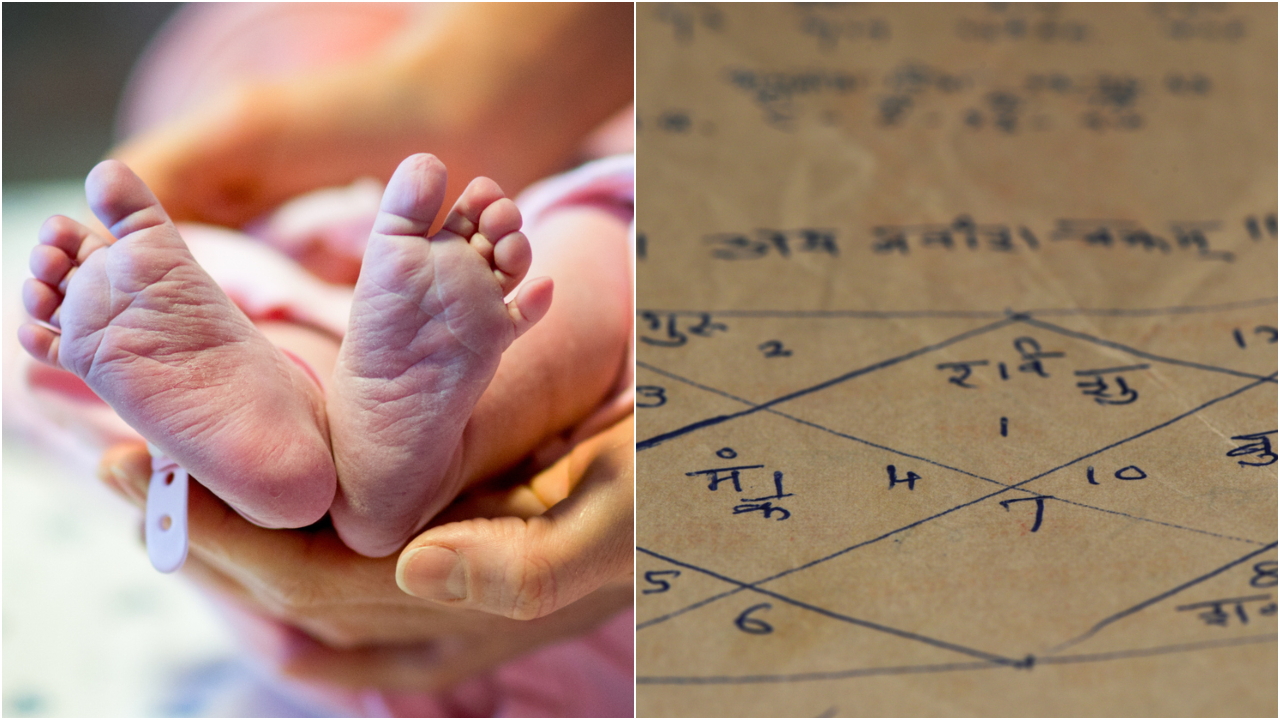
Representational image. Credit: iStock
Synopsis: India’s caesarean rate has soared to 21.5% nationally and over 60% in states like Telangana, far exceeding WHO’s 10-15% ideal, leading to 1.8 million unnecessary surgeries yearly. Driven by fear, trauma, and a thriving “caesarean muhurat” industry, anxious parents pay astrologers for auspicious surgical timings while doctors and hospitals readily accommodate, deepening the paradox of “too much, too soon” for the privileged and “too little, too late” for the marginalised.
A man from Banjara Hills in Hyderabad lost his mother to cancer six months before his wife was prepared to deliver their first child.
The grief lingered and fear settled deeper. When doctors mentioned the possibility of complications, the couple did not seek therapy or counselling. They called a spiritual consultant in Punjab to select an auspicious time for a caesarean section.
That trauma was there. “I don’t want my kids to have any problem or health issues,” the man told the consultant during their call.
“I’ve lost my mom to cancer.”
The consultant studied birth charts, checked planetary positions, and avoided inauspicious periods called Gandmoola. She provided a time slot. Later, the hospital scheduled the surgery, and the couple paid for both services.
This transaction repeats itself across India three to four times daily, sometimes eight times in a single day. Parents contact spiritual consultants, who analyse cosmic calendars. The doctors cooperate and hospitals schedule the surgery. Hence, India’s caesarean rate climbs higher.
India’s caesarean section rate climbed from 8.5 percent in 2005 to 21.5 percent in 2021, according to National Family Health Survey-5 data. Private hospitals now perform surgical deliveries in nearly half of all births. Southern states lead this surge. Telangana records 60.7 percent. Tamil Nadu hits 44.9 percent. Andhra Pradesh jumped to 56.12 percent in 2024-25.
The World Health Organisation recommends a population threshold of 10 to 15 percent. India exceeds this by several multiples in its urban centres and private hospitals.
The country performs approximately 1.8 million unnecessary caesareans annually, according to research from the Institute of Public Health Bengaluru. At the same time, nearly half a million women cannot access the procedure despite medical need.
Following WHO guidelines could have saved India $293.36 million and prevented 1.67 million unnecessary caesarean deliveries in private facilities in just one year.
Telangana leads with 8.4 percent preventable caesareans. Surgeries are performed without clear medical complications requiring them. Higher education levels increase likelihood by 30 to 50 percent. Private hospital deliveries show nearly three times the rate of preventable caesareans compared to government facilities.
Against this backdrop operates the industry of caesarean muhurats.
Dr Monica Chopra describes herself as a dentist by training, and a clairvoyant by calling. She operates from Ludhiana, Punjab, running Aananda – The Healing Hub and Aananda Crystals. One of her services: “Caesarean Muhurat”, the identification of auspicious timings for planned surgical deliveries.
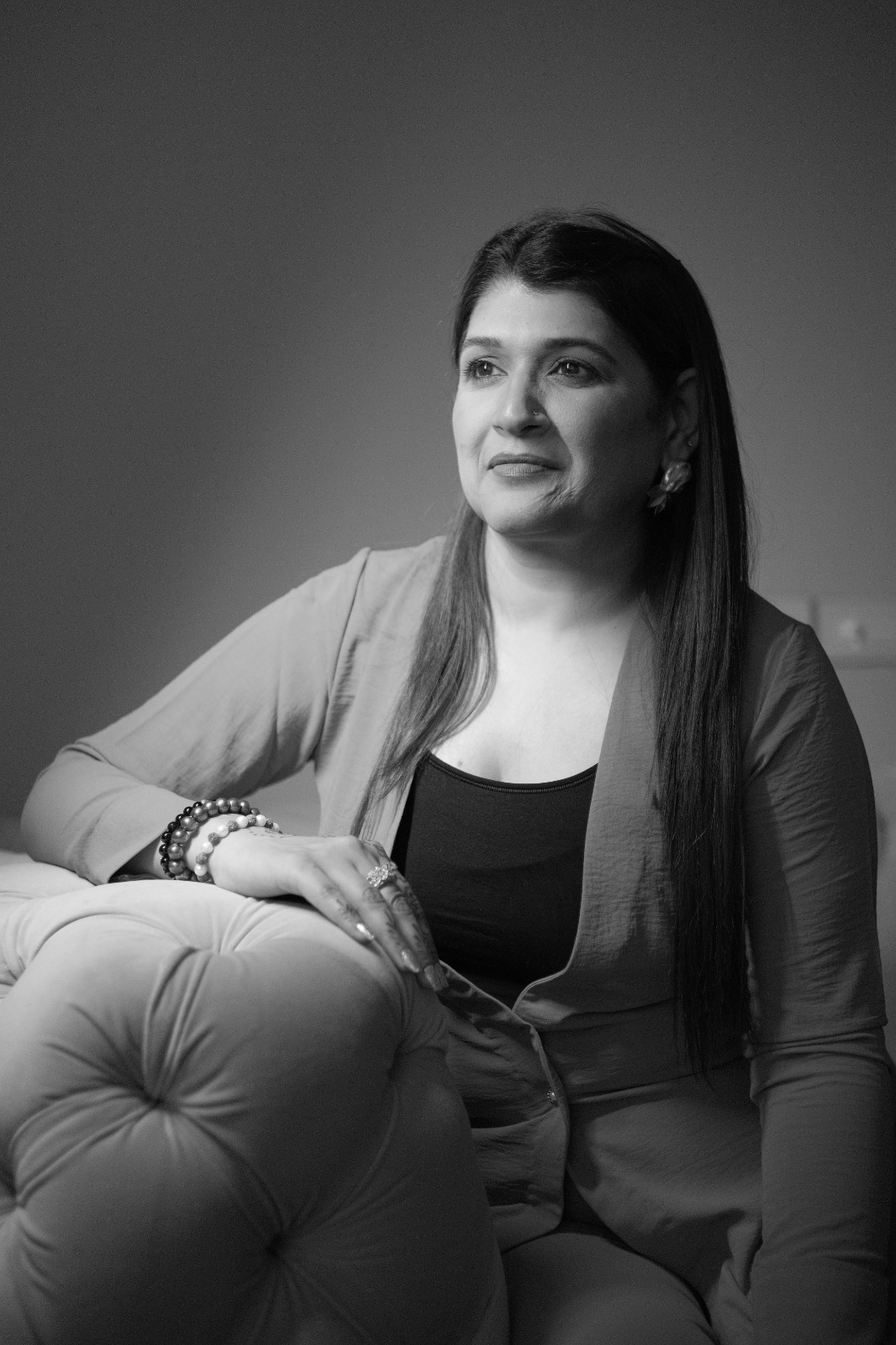
Dr Monica Chopra.
She divides her clients into categories, and the largest group consists of parents facing medical complications. When doctors declare necessary C-sections, parents seek auspicious timing.
“If the doctor flags a complication and suggests a C-section, everyone asks for muhurat,” Chopra adds.
The other category represents approximately 15–20 percent of her clients. These parents face no medical necessity. They choose surgical delivery both for convenience and access to auspicious timing.
Her practice emerged roughly 16 to 17 years ago, Chopra estimates, when doctors began routinely scheduling caesarean sections. What started as occasional requests has grown into a standard practice.
“In 2015-16, it was only 17.25 percent,” Chopra notes, referring to those choosing caesareans without medical necessity. Those numbers are on the rise as well.
From corporate employees to business owners, they all consult her. Even doctors, including a gynaecologist, contacted Chopra last month after discovering her own baby had an umbilical cord complication. All patients undergoing in vitro fertilisation request muhurat, she notes, because IVF pregnancies typically end in caesarean deliveries.
Parents contact Chopra when doctors provide delivery windows during which surgical intervention must occur. She clarifies that she works within the boundaries doctors establish.
“If a doctor says the baby must be delivered in three days, I don’t choose the date,” she says. “I see what timing within those days is safest.”
Her process begins with information gathering. She collects birth dates of both parents, their names, family health history, and searches for genetic conditions, chronic illnesses, and patterns of disease that might transfer to the child.
Chopra looks for Gandmoola, inauspicious periods that occur three to four times monthly, lasting two to three days each time. She estimates 80 percent of Gandmoola timings carry risks. Chopra avoids Saturdays for health-related deliveries and checks which nakshatras, lunar mansions, fall within the available window.
She provides time slots rather than precise minutes — 9 to 10 in the morning and 5 to 7 in the evening.
If she identifies weak lungs in the family line, she selects timing that minimises respiratory vulnerability. If skin conditions run through generations, she chooses slots that reduce dermatological predisposition.
“I’m not changing destiny,” she states. “I only try to make the intensity less.”
The Banjara Hills couple represents a pattern Chopra observes repeatedly – families carrying trauma that shapes reproductive decisions. Parents articulate anxieties about meningitis, leukaemia, Down syndrome, and autism. They carry memories of kin who suffered.
“The main reason is fear and trauma,” Chopra suggests. “The way we have struggled, our kids should not.”
One 67-year-old woman with ovarian cancer told Chopra she wanted to become a football player in her youth. Her father prevented it in childhood, and her husband later reinforced restrictions. “I was born in central jail, married into a Bihar jail,” the woman said, using prison metaphors to describe her life.
Parents remember such stories when they approach childbirth. A younger brother with autism prompts requests for timing that might prevent developmental disorders. Previous children with skin conditions or stomach issues lead parents to seek muhurat for subsequent births.
These fears merit compassion, and these traumas deserve acknowledgement. But converting anxiety into surgical scheduling raises questions. When does spiritual consultation become a mechanism that promotes medical intervention?
Doctors cooperate with muhurat requests, according to Chopra.
“All doctors cooperate,” she declares. “They tell their patients to ask for timings, and the hospital will schedule the appointment.'”
The cooperation extends across North India’s Sikh and Punjabi communities and into southern states where caesarean rates spike highest.
The reasons emerge clearly when examining systemic pressures. C-sections allow doctors to avoid the unpredictability of labour — cutting dowon n midnight emergencies, well-coordinated surgical teams, and hospital resources that flow more smoothly.
Research documents factors driving surgical births beyond patient preference. A study published in PLOS One found that healthcare providers cite scheduling convenience, financial incentives, and concerns about legal liability as influences on caesarean decisions.
One Delhi study revealed that normal deliveries require providers to attend to women for 15 to 18 hours compared to roughly 30 minutes for caesarean sections. The economics tell the rest. Families spend an average of ₹44,000 for caesareans in Indian private hospitals compared to just ₹8,800 in public facilities. When spiritual timing requests arrive, doctors accommodating them face minimal inconvenience while potentially protecting revenue streams.
A caesarean takes 30 minutes. The hospital charges five times more for a vaginal delivery. The doctor schedules it during daylight hours.
The parents are comforted with the belief that timing blesses their child. Only the data suggests otherwise.
The Telangana government recognised this dynamic. District collectors engaged with priests and astrologers to discourage the scheduling of non-medical caesareans around auspicious times. The intervention acknowledges that spiritual practices intersect with medical decisions in ways that affect public health outcomes.
Recently, Andhra Pradesh’s Health Minister Satyakumar Yadav approved a scheme to deploy 1,264 specially trained midwives across 86 government hospitals to promote natural deliveries. The Health Department admitted that inadequately trained nursing staff may contribute to rising caesarean rates.
The government response focuses on clinical capacity and training – addressing root causes rather than symptoms.
Chopra maintains boundaries about her claims. She does not promise perfect children or problem-free lives.
“If it’s written, we can’t help it,” she admits.
She stresses parenting over astrology. “That is more important than astrology,” she insists when discussing child development. During pregnancy, she stresses, the mother’s emotional state matters enormously.
“From Day 1, they (babies) absorb everything from the environment. So, how you speak and behave matters. Hence, parenting is the most important thing,” she says.
Chopra predicts expansion. As reproductive technology advances and genetic selection becomes more accessible, parents’ desires to optimise offspring will find new expressions.
“It will increase, as the AI will increase more,” she forecasts.
The practice exists not simply because astrology determines outcomes, but because parents need frameworks for managing fear. Chopra provides what hospitals cannot – reassurance, meaning, control.
Whether this service helps or harms depends on which parents seek it. For those facing genuine medical necessity, muhurat consultation adds a spiritual dimension to unavoidable surgery. It provides comfort during a frightening time.
For parents without medical needs, the practice urges them toward self-intervention. It converts anxiety into action that may carry real risks and contributes to a public health crisis where caesarean rates spiral even further.
India faces a paradoxical dual burden in maternal care: “too little, too late” for marginalised women without access to essential, life-saving interventions, and “too much, too soon” for the privileged class subjected to unnecessary C-sections and over-medicalised deliveries.
The concept of a caesarean muhurat further illuminates such contradictions in contemporary Indian healthcare.
(Edited by Amit Vasudev)


