

Published Jan 07, 2026 | 9:56 AM ⚊ Updated Jan 07, 2026 | 12:09 PM

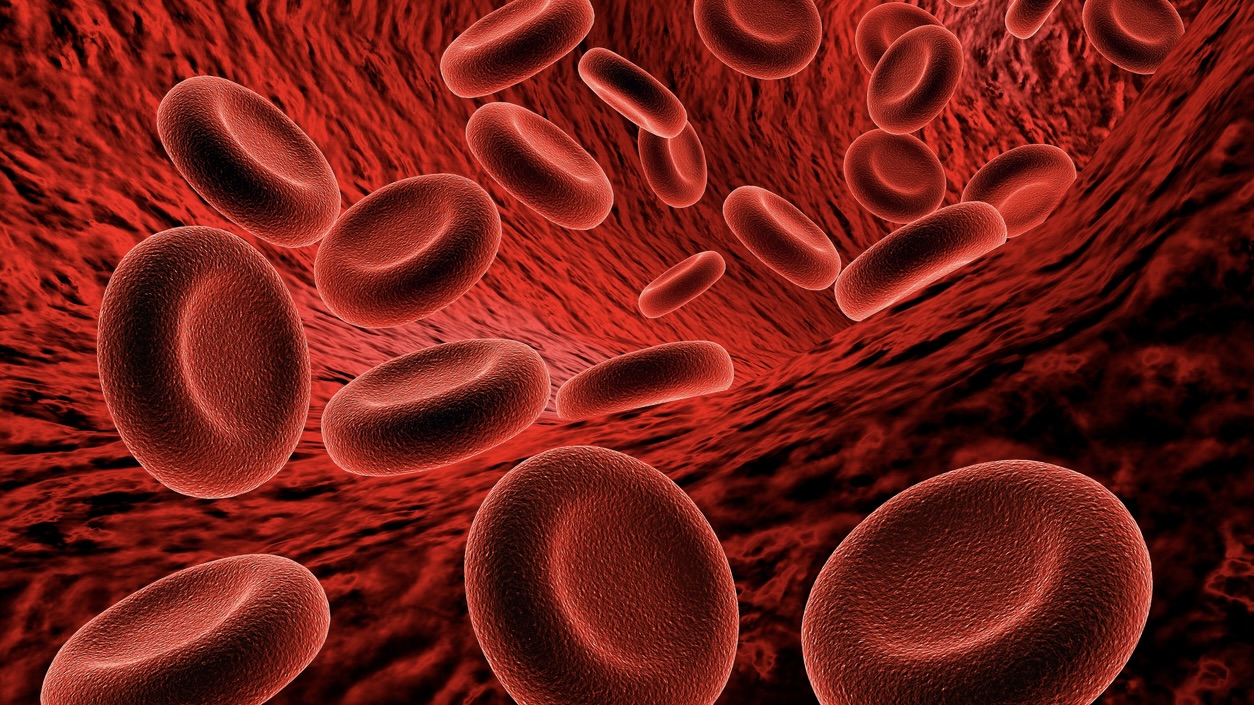
Thalassaemia develops when faulty genes interfere with the production of healthy haemoglobin.
Synopsis: The United States Food and Drug Administration has approved the first oral medicine for treating anaemia in adults with alpha or beta thalassaemia. The drug, mitapivat, sold as Aqvesme, offers a new option beyond repeated blood transfusions for a widely prevalent genetic blood disorder.
After decades in which treatment has largely meant a lifetime of blood transfusions, adults living with thalassaemia-related anaemia now have an oral alternative.
The United States Food and Drug Administration has approved mitapivat, sold as Aqvesme, the first pill designed to treat anaemia in people with alpha or beta thalassaemia, a common inherited blood disorder.
The condition is passed down through families, in which faulty genes limit the body’s ability to produce healthy haemoglobin.
Haemoglobin is made up of alpha globin and beta globin protein chains, according to the US National Heart, Lung, and Blood Institute. Thalassaemia develops when faulty genes interfere with the production of one or both of these chains.
As a result, red blood cells cannot carry sufficient oxygen, leading to anaemia and related complications.
The disorder is passed from parents to children through genes. Individuals who inherit a faulty gene from only one parent are known as carriers; they may have no symptoms or only mild anaemia but can still pass the gene to their children.
Those who inherit faulty genes from both parents can develop moderate to severe thalassaemia.
Unlike blood transfusions, which temporarily replace red blood cells, mitapivat works by improving red blood cell energy metabolism, helping them survive longer and function more effectively.
The approval was based on results from the global ENERGIZE and ENERGIZE-T Phase 3 trials, which enrolled 452 adult patients with alpha or beta thalassaemia, including both transfusion-dependent and non-transfusion-dependent populations.
According to the FDA, the trials “met all primary and key secondary efficacy endpoints”, demonstrating significant improvements in haemoglobin levels and fatigue, as well as reductions in transfusion burden compared with placebo.
Commenting on the approval, Hanny Al-Samkari MD, an investigator in the Phase 3 programme, said, “The ENERGIZE and ENERGIZE-T Phase 3 trial results demonstrate that AQVESME can help address anemia, fatigue, and the need for regular transfusions, key challenges of the disease.”
The drug’s label includes a boxed warning for liver injury. In the clinical trials, “five patients receiving AQVESME experienced adverse reactions suggestive of hepatocellular injury”, with cases occurring within the first six months of treatment and improving after discontinuation, the FDA announcement noted.
To mitigate this risk, AQVESME is available only through a Risk Evaluation and Mitigation Strategy programme, which requires baseline and ongoing liver function testing, along with certification for patients, prescribers and pharmacies.
Agios Pharmaceuticals said AQVESME is expected to be available in the United States in late January 2026, following implementation of the REMS programme.
Alpha thalassaemia occurs when one or more of the four genes responsible for making alpha globin are missing or defective.
The severity depends on how many genes are affected, ranging from silent carriers with no symptoms to more serious forms such as haemoglobin H disease, which causes moderate to severe anaemia.
In rare cases, the absence of all four genes results in hydrops fetalis, a condition that is usually fatal before or shortly after birth.
Beta thalassaemia develops when one or both of the two genes responsible for beta globin production are altered. People with one altered gene have beta thalassaemia trait, typically associated with mild anaemia.
Those with two altered genes may develop beta thalassaemia intermedia or beta thalassaemia major, the latter being a severe form that often requires lifelong medical care.
The NHLBI highlights that disease severity depends on inheritance patterns, underscoring the importance of genetic screening and early diagnosis, particularly in populations where thalassaemia is common.
(Edited by Dese Gowda)


