

Published Mar 20, 2026 | 11:00 AM ⚊ Updated Mar 20, 2026 | 11:00 AM

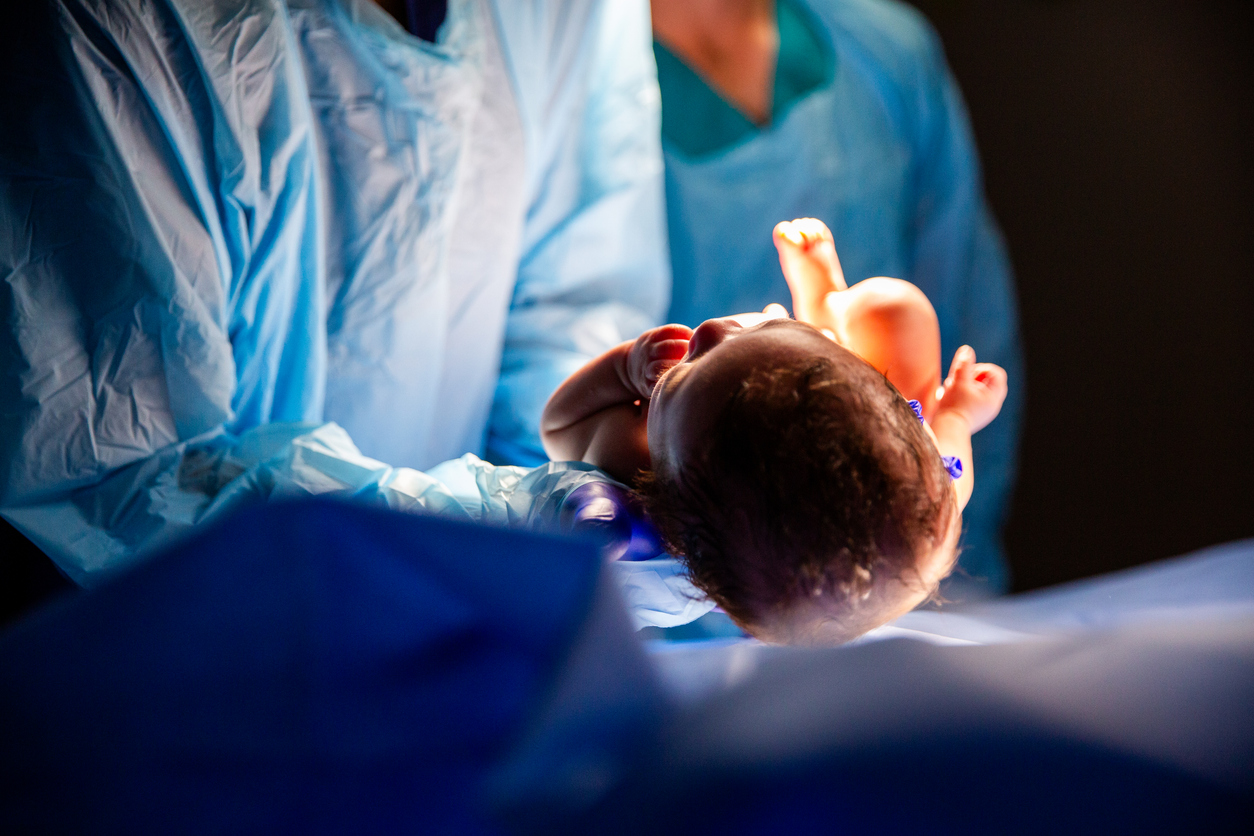
Representational image. Credit: iStock
Synopsis: India has been hailed in the UN IGME 2025 report as a global exemplar in reducing child and newborn mortality, with under-5 deaths falling nearly 80% since 1990. Key programmes like JSY, JSSK, and SNCUs drove progress, though neonatal deaths remain a critical challenge. The report urges India to double its pace to meet SDG targets.
India has been recognised as a global exemplar in reducing child and newborn mortality in a landmark UN report, with the under-5 mortality rate falling nearly 80 percent since 1990, even as the worldwide pace of progress has slowed sharply and the country faces a critical unfinished agenda on newborn deaths.
The UN Inter-agency Group for Child Mortality Estimation (UN IGME) 2025 report, released on 18 March, estimates that 4.9 million children died before turning 5 globally in 2024, including 2.3 million newborns. While under-5 deaths have fallen by more than half since 2000, the pace of reduction has slowed by more than 60 percent since 2015, a trend that has alarmed global health bodies at a time of shrinking development financing.
Against this sobering global backdrop, India stands out. The country’s under-5 mortality rate (U5MR) has fallen from 127 deaths/1,000 live births in 1990 to 26.6 in 2024, and its neonatal mortality rate (NMR) from 57 to 16.7 over the same period.
In absolute terms, under-5 deaths have dropped from 3.5 million a year to 615,000, a reduction of over 82 percent. India’s U5MR now sits below the Southern Asia regional average of 32.8, a notable achievement given the country’s demographic scale and sociocultural diversity.
The report dedicates a section to India as one of a handful of exemplary countries, crediting a governance framework built on integrated planning and standards-driven implementation.
“India, with its wide demographic and sociocultural diversity, has shown an upward trajectory in its newborn and child health outcomes,” it says.
“This underscores the strength of a strong Central and State steered, standards-driven public health system, wherein the country has demonstrated resolute efforts to translate National vision into measurable last-mile impact.”
Key programmes cited include the Janani Suraksha Yojana (JSY) and Janani Shishu Suraksha Karyakram (JSSK), which have expanded institutional deliveries and reduced preventable maternal and newborn deaths. The establishment of Special Newborn Care Units (SNCUs), Newborn Stabilisation Units (NBSUs), Maternity Waiting Homes, and District Early Intervention Centres (DEICs) has broadened equitable access to maternal and newborn services.
More recently, Mother Newborn Care Units (MNCUs). which ensure zero separation of mother and newborn, and a Tele-SNCU hub-and-spoke model to reach remote populations have reflected the programme’s push towards both quality and reach. The report also notes that India is among the first few countries globally to set targets and release operational guidelines on stillbirth surveillance.
The Indian government was quick to highlight the findings. Union Minister of Health and Family Welfare JP Nadda said India “emerges as a leading global exemplar” in the report, pointing to the NMR’s decline of nearly 70 percent and the U5MR’s fall of 79 percent since 1990.
Union Minister of State for Health Anupriya Patel called it a “global benchmark in child survival” and a “testament to the commitment, effort, and support of the entire nation.”
However, the report also signals where India must accelerate. Of the 615,000 under-5 deaths in 2024, approximately 386,000, nearly 63 percent, occurred in the neonatal period, the first 28 days of life. This concentration of deaths in the newborn window is the defining challenge of the next phase. The SDG target for neonatal mortality is 12 deaths per 1,000 live births by 2030; India’s current NMR of 16.7 remains 40 percent above that threshold.
The report notes that Southern Asia as a whole needs an annual rate of reduction of 9.4 percent to meet the neonatal SDG target, nearly three times India’s historical pace of around 3.6 percent per year. Mortality in the region’s neonatal period is driven primarily by complications of preterm birth, birth asphyxia, and neonatal infections, conditions that require quality antenatal care, skilled attendance at birth, and care for small and sick newborns, services that remain unevenly distributed across India’s geography.
There is also a quiet statistical caveat embedded in the report. In a footnote to India’s data, the report states that “the UN IGME estimates are not the official statistics of India” and that the Sample Registration System of the Office of the Registrar General of India is the official data source for all mortality estimates. This reflects a long-standing methodological divergence between UN modelled estimates and India’s own measurement systems, a reminder that the precise numbers, while directionally consistent, are not universally agreed upon.
The broader report paints a picture of fragile progress under pressure. Globally, newborn deaths now account for nearly half of all under-5 deaths, with the leading causes being complications from preterm birth (36 percent) and complications during labour and delivery (21 percent). Sub-Saharan Africa accounted for 58 percent of all under-5 deaths in 2024. 60 countries are at risk of missing the SDG under-5 mortality target, and 66 are at risk of missing the neonatal target.
Shifts in global development financing are adding to the concern. UNICEF Executive Director Catherine Russell warned of “worrying signs that progress in child survival is slowing, and at a time where we’re seeing further global budget cuts.” WHO Director-General Dr Tedros Adhanom Ghebreyesus noted that children in conflict and crisis settings are nearly three times more likely to die before their fifth birthday.
The report calls on governments, donors, and partners to make child survival a political and financing priority, focus resources on the highest-burden regions, and invest in primary health care systems. It notes that every dollar invested in child survival can generate up to twenty dollars in social and economic benefits.
For India, the report’s message is clear: the gains of the past three decades are real and hard-won, but meeting the SDGs will require the country to roughly double its pace of progress on newborn survival, the frontier where the next generation of preventable deaths will be won or lost.


