


Published Mar 25, 2026 | 7:00 AM ⚊ Updated Mar 25, 2026 | 7:00 AM

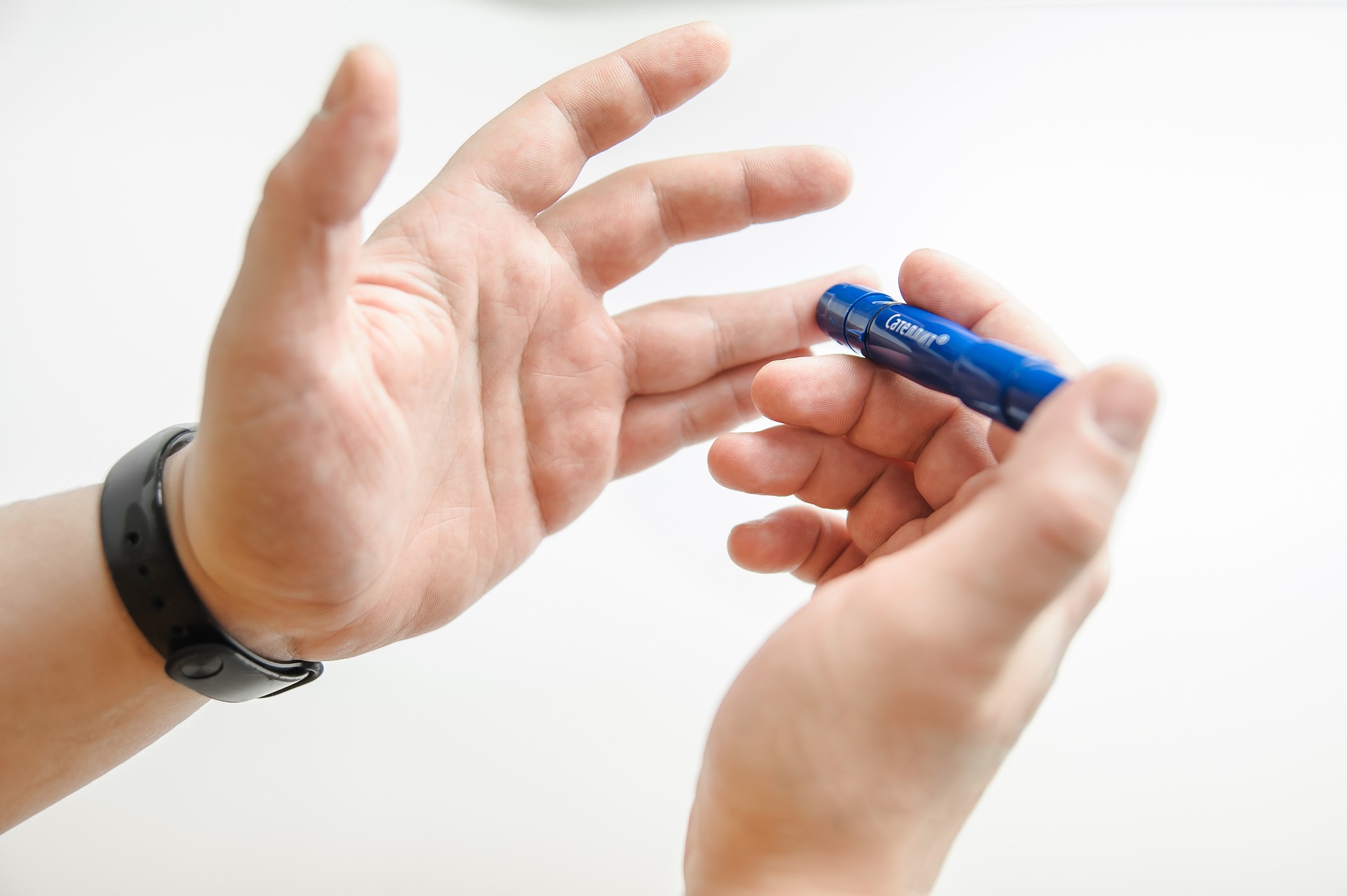
Industry estimates indicate that India’s at-home diagnostics market will increase by 15-20% per year.
Synopsis: Technology has also played a role in enhancing the reliability of tests. Present-day rapid diagnostic kits are characterised by higher sensitivity, more distinct result indicators, and improved quality control functions. Some devices have a mobile app companion, thus enabling the user to record their findings, monitor patterns, and share the reports with the doctor. This mixture of physical kits and digital dashboards is slowly changing the pathways through which health information circulates.
Diagnosing medical conditions in India is becoming much easier; it was previously limited to hospitals and laboratories, but now, people can diagnose themselves in their homes, thanks to the increasing number of at-home test kits being sold as everyday items as opposed to just emergency supplies.
The reason for this shift is that people in India are thinking differently about healthcare; they are more proactive in monitoring their health and less reactive in seeking medical help after they have already developed a problem.
There are many numbers that support this shift away from the old reactive model towards a new proactive model of health care. Industry estimates indicate that India’s at-home diagnostics market will increase by 15-20% per year, since people are becoming more aware of health issues and both urbanisation and digital technology are helping people live healthier lifestyles.
Additionally, within a few years, the at-home diagnostics market will exceed $10 billion, which means this is not just a passing trend but rather represents a long-term transformation in how people think about their health.
A major driver of this shift towards at-home diagnostics is the usefulness of early detection of disease. Many diseases, including high blood pressure and diabetes, are often silent diseases for long periods of time until they develop into a serious problem. Additionally, currently, there are very large populations living with diabetes in India (more than 100 million people), as well as many more in the pre-diabetes stage.
Therefore, using home tests to monitor blood glucose and blood pressure levels on a routine basis can provide an early warning system to help facilitate timely intervention from medical professionals prior to significant complications arising from those diseases.
Access is just as crucial. In Tier 2, Tier 3, and rural areas, the diagnostic laboratories might be located at a significant distance and might be difficult to reach frequently. Home test kits serve as a bridge to such situations. They enable instant testing without the need to travel, endure long waits, or incur additional costs. Although they cannot replace the laboratory’s confirmation, they do play an important role in lessening the delay in getting treatment.
The COVID-19 outbreaks forced a mass shift towards self-esteem testing. The rapid antigen kits brought the concept of dependable diagnostics at home to millions of Indians. Such a change in behaviour has been carried over to other areas, E.g., pregnancy tests, ovulation kits, thyroid screenings, and tests for infectious diseases. Today, people are more willing to understand the results themselves and consult the doctors digitally if needed.
Technology has also played a role in enhancing the reliability of tests. Present-day rapid diagnostic kits are characterised by higher sensitivity, more distinct result indicators, and improved quality control functions. Some devices have a mobile app companion, thus enabling the user to record their findings, monitor patterns, and share the reports with the doctor. This mixture of physical kits and digital dashboards is slowly changing the pathways through which health information circulates.
Nonetheless, development leads to greater responsibility. Research has found three primary factors that impact patient confidence in the reliability of self-diagnosis: accuracy of information provided, clearness of instruction provided, and brand loyalty.
If the information is incorrectly interpreted, it can cause either anxiety or false hope. Therefore, as healthcare interests continue to expand, regulatory oversight, standardisation and establishing strict quality criteria become increasingly important.
There is also an age demographic aspect to this change. The younger demographic is much more inclined toward data-driven self-care than the older demographics; as evidenced by their early and often use of wearable technology, health and fitness apps and digital telehealth consultations, many see home testing as an extension of their preventative medical care.
As we move into what may be the next phase of healthcare, this may include using artificial intelligence to assist with interpreting test data and utilising multi-parameter home test kits. As telemedicine continues to grow, we expect to see home diagnostic services work more closely with telemedicine services to deliver faster decision-making.
At the same time, there will be a transition from using physicians for traditional first visits for diagnosis to delivering the first level of diagnosis to a person. In an environment where there are significant barriers to accessing healthcare, such as in India, this is an important shift.
The way in which health will be diagnosed in the future in India will not happen overnight; however, through the increased awareness of the emergence of home testing – driven by technology advances – we are seeing home testing becoming a major force in developing a more proactive, accessible healthcare delivery model.
(Edited by Majnu Babu).


