

Published Mar 19, 2026 | 2:04 PM ⚊ Updated Mar 19, 2026 | 2:04 PM

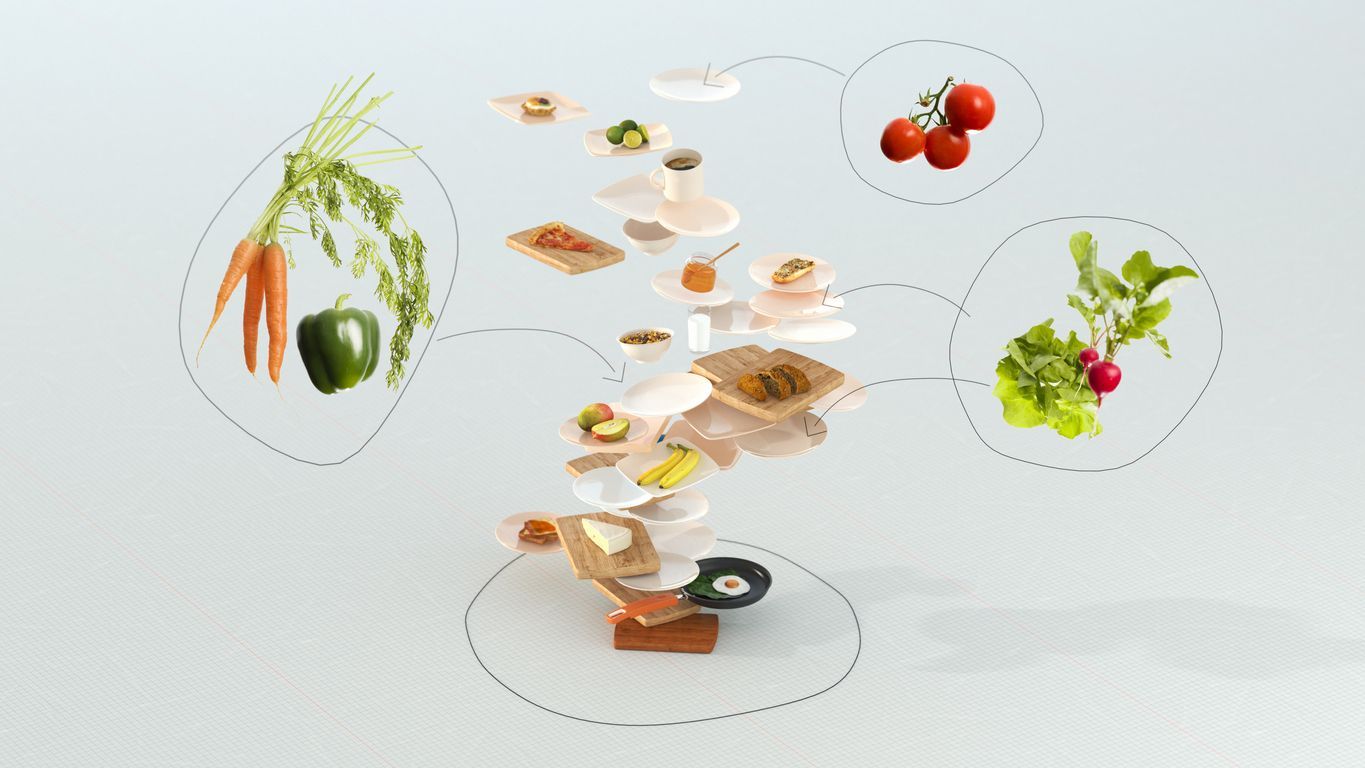
Engineered food. Representative Image. (iStock)
Synopsis: The future of nutrition lies in engineered food. It sounds artificial, overly processed, or disconnected from nature. But, in the context of modern nutrition science, engineering food does not mean replacing nature, it means understanding it deeply enough to recreate its benefits with precision.
For decades, the way we understood food was simple. Eat natural. Eat fresh. Eat balanced. But the reality of modern health challenges is far more complex.
Today, we are dealing with rising metabolic disorders, nutrient deficiencies, sedentary lifestyles, chronic stress and food systems that often prioritise convenience over nourishment. At the same time, consumers are becoming more informed, more health-conscious, and more curious about what actually goes into their food.
This intersection is where the future of nutrition is quietly evolving. And increasingly, that future is engineered.
When people hear the term “engineered food,” it often raises concern. It sounds artificial, overly processed, or disconnected from nature. But the truth is far more nuanced. In the context of modern nutrition science, engineering food does not mean replacing nature. It means understanding it deeply enough to recreate its benefits with precision.
Plant-based functional formulas are one of the most fascinating examples of this shift.
Unlike conventional foods that provide calories and basic nutrition, functional formulations are designed with a specific physiological outcome in mind. They are built around the idea that food can support metabolic health, improve satiety, stabilise blood sugar, support muscle repair, and enhance gut health.
However, achieving this is not as simple as mixing ingredients.
For instance, creating a plant-based protein that delivers a complete amino acid profile requires careful formulation. Most plant proteins are naturally incomplete when consumed individually. Pea protein may be rich in certain amino acids but limited in others. Rice protein complements it differently.
By combining and calibrating these sources correctly, nutrition scientists can create a balanced amino acid spectrum that rivals traditional animal-based proteins.
Digestibility is another layer that requires thoughtful engineering. Many plant proteins contain compounds that can cause bloating or discomfort. Advanced processing techniques, enzymatic treatments, and fermentation methods are now being used to improve bioavailability while preserving the nutritional integrity.
Beyond protein, the functional food space is also exploring how fibres, healthy fats, phytonutrients, and micronutrients interact within a formulation. The goal is no longer just macronutrient balance. It is metabolic support.
For example, certain fibres can slow glucose absorption, helping stabilise blood sugar levels. Specific plant compounds can influence the gut microbiome, which in turn affects immunity, digestion, and even mood. When these elements are intentionally combined, food moves closer to being a metabolic support system rather than just a source of calories.
This is particularly relevant in countries like India, where lifestyle diseases are rising rapidly. Obesity, insulin resistance, Polycystic Ovary Syndrome (PCOS), and type 2 diabetes are no longer limited to older populations. Younger demographics are increasingly affected by metabolic imbalances driven by modern lifestyles.
In this environment, nutrition solutions that are portable, nutritionally dense, and scientifically designed can play an important role in supporting healthier daily habits.
However, it is important to recognise that functional foods are not shortcuts or magic solutions. They are tools that can complement a broader lifestyle framework that includes whole foods, movement, sleep, and stress management.
The real promise of engineered nutrition lies in bridging the gap between scientific understanding and everyday practicality. Not everyone has the time, knowledge, or resources to design perfectly balanced meals every day. Functional formulations can help simplify access to certain nutritional benefits when thoughtfully developed and responsibly used.
What excites me most about this space is the collaboration it demands. Nutrition science today intersects with food technology, biochemistry, agriculture, and consumer behaviour. Building effective functional foods requires experts across these fields working together to translate research into real-world solutions.
At the same time, transparency will remain critical. As functional nutrition evolves, consumers will rightly ask more questions. Where do the ingredients come from? How are they processed? What scientific evidence supports their benefits?
The brands and experts who succeed in this space will be those who answer these questions openly and prioritise long-term health outcomes over marketing claims.
Ultimately, the future of food is not about replacing traditional eating habits. It is about expanding our toolkit.
Whole foods will always remain the foundation of good nutrition. However, science-driven functional formulations offer an opportunity to enhance that foundation, making it easier for modern lifestyles to access balanced, targeted nutrition.
In many ways, we are entering an era where food is no longer just sustenance. It is becoming one of the most powerful tools we have to support human health. And that transformation is only just beginning.
(Views are personal. Edited by Muhammed Fazil.)


