

Published Nov 12, 2026 | 4:53 PM ⚊ Updated Nov 12, 2026 | 4:53 PM

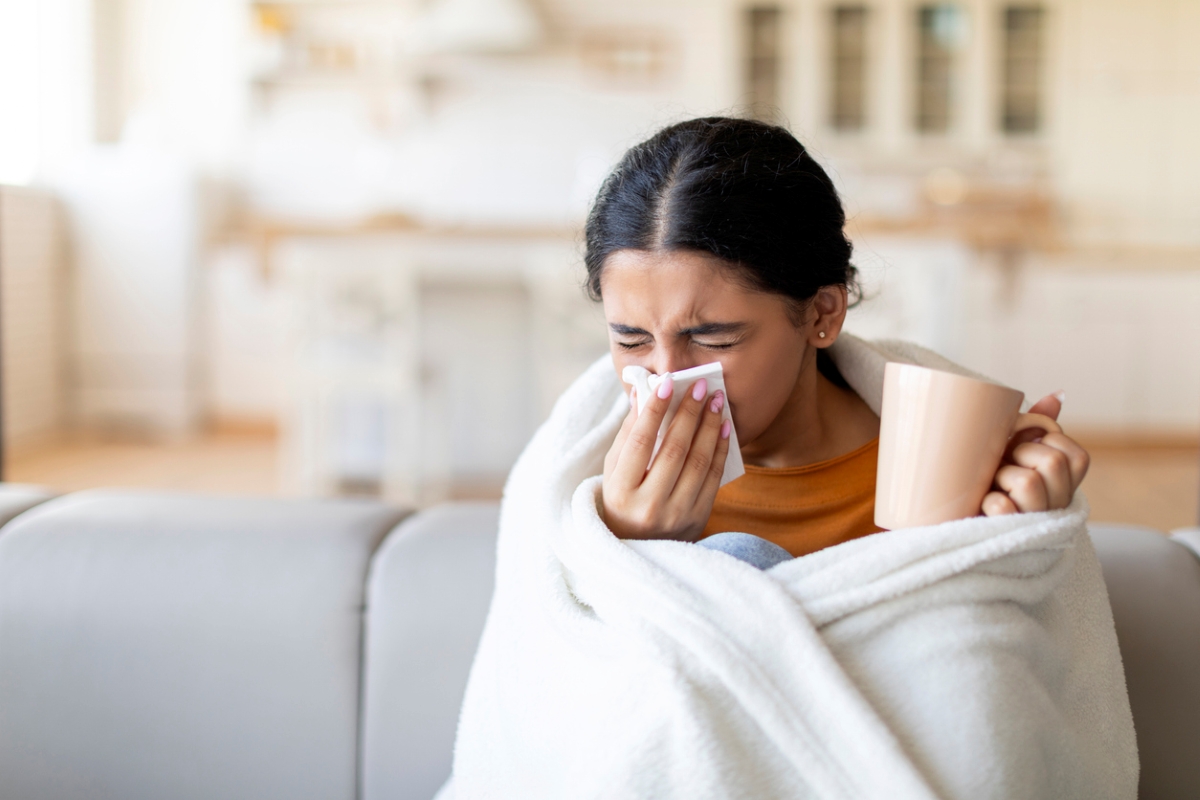
Flu. (Representational image/ iStock)

A forecast dip in minimum temperatures has prompted the Telangana Health Department to issue a seasonal flu advisory, warning of a possible spread of acute respiratory infections across the state and asking people to take precautions.
The India Meteorological Department’s Hyderabad centre has forecast dry weather across Telangana for the next two days, with minimum temperatures likely to fall 2-3°C below normal.
“These low temperatures may lead to the spread of acute respiratory infections such as seasonal flu,” said Dr B Ravinder Nayak, Director of Public Health and Family Welfare, Telangana, in an advisory issued on 12 November.
Seasonal flu is an acute and contagious respiratory infection characterised by fever, cough, sore throat, body ache and fatigue. It spreads easily when infected people cough or sneeze.
The department said most people with seasonal flu recover on their own within a week. They have been advised to rest at home and drink plenty of fluids.
Also Read: Telangana: 50 fertility centres found violating norms, registrations of 2 cancelled
The advisory identifies pregnant women, children below five years, people above 65 years and individuals with chronic medical conditions as groups at greater risk of severe illness.
Those in these categories who develop flu-like symptoms should consult a doctor at the nearest health facility, Dr Nayak said.
The department has also listed warning signs that require immediate medical attention. These include high fever, difficulty breathing, bluish discolouration of the skin or lips, blood in sputum and altered behaviour.
People experiencing these symptoms should visit the nearest government health facility without delay. They can call the 108 ambulance service during a medical emergency.
As a precautionary measure, the government has made arrangements for special beds and essential medicines at all public health facilities, the advisory said.
The department has also issued a list of precautions to limit the spread of infection. People have been asked to cover their mouth and nose with a handkerchief or tissue while coughing or sneezing, wash their hands frequently with soap and water, drink plenty of water and eat nutritious food.
People experiencing fever, cough or sneezing should stay away from public places. Adequate ventilation and the circulation of outdoor air have also been recommended to reduce transmission.
The advisory asks people to avoid handshakes, crowded places, reusing tissues or handkerchiefs, touching their eyes, nose and mouth frequently, and spitting in public places.
It has also cautioned against self-medication, advising people not to take medicines without consulting a physician.
(Edited by Sumavarsha, with inputs from Sumit Jha)



