

Published Dec 09, 2025 | 12:50 PM ⚊ Updated Dec 09, 2025 | 12:50 PM

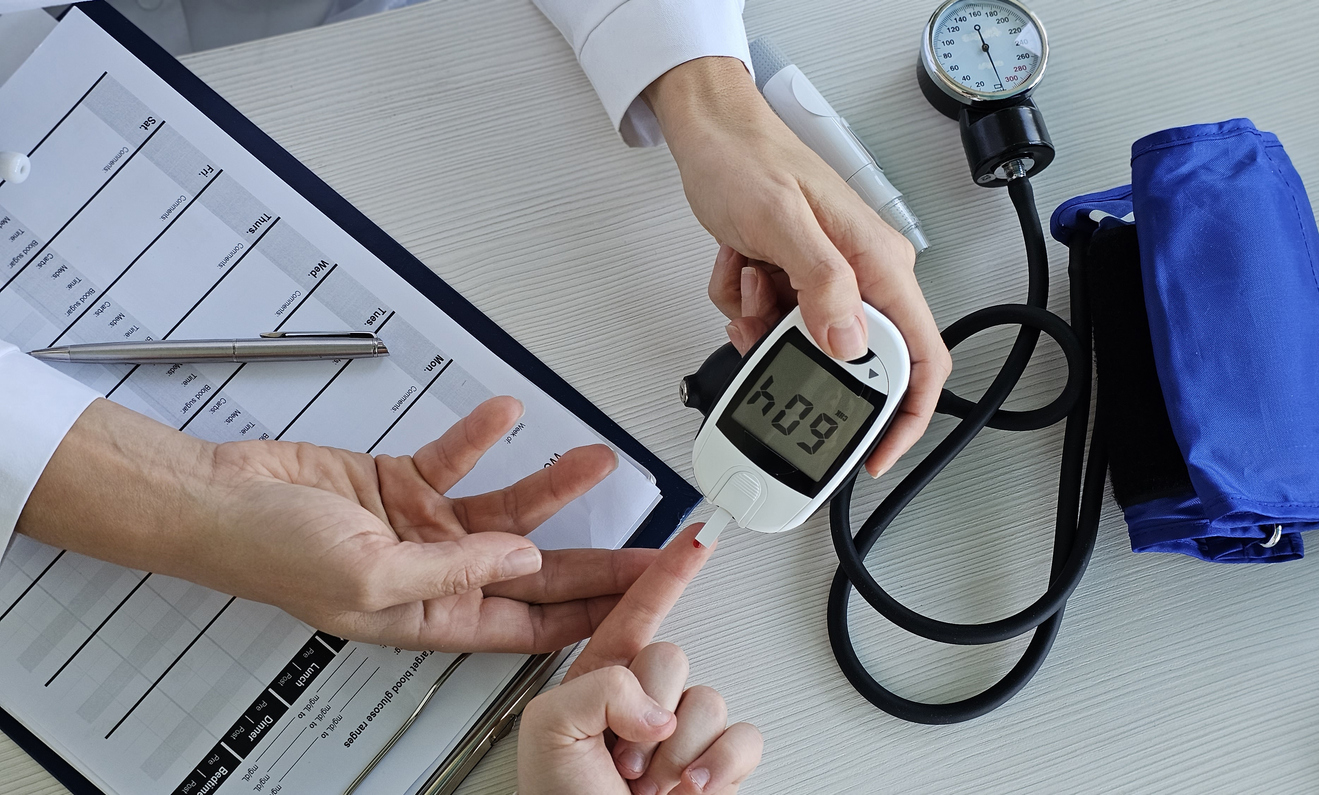
Diabetes prevalence in India has risen steadily, from about 9% (age-adjusted) in 2011 to projections of 10.8% by 2045.(Representational image/iStock)
Synopsis: Over half of diabetes cases in India remain undiagnosed, exacerbating the public health challenge. The numbers have grown from 77 million in recent years to current highs, driven by urbanisation, diet changes, and genetic predispositions.
A 34-year-old man walks into a health clinic in Telangana for a diabetes screening. He joins 99 others in the queue. By the time the day ends, 85 of them learn they have diabetes.
This year, Telangana screened 9.96 lakh people and diagnosed 8.48 lakh cases. The state has flipped its screening strategy, according to the Union Ministry of Health and Family Welfare.
Two years ago, Telangana tested 9.18 lakh people and found diabetes in 4.57 lakh—a 49.8% detection rate. Last year, the programme expanded to 1.36 crore screenings but found only 11.17 lakh cases, dropping the rate to 8.2%. Now in the Financial Year (FY) 2025-26, the numbers tell a different story: the state screens fewer people but finds more cases.
The pattern suggests targeted screening. Instead of testing everyone above 30, health workers now focus on people who show risk factors: those who consume tobacco and alcohol, lead sedentary lives, eat diets heavy in salt, sugar and saturated fats, or carry excess weight.
A senior health official from Telangana explained the strategy shift. “These are targeted populations, which is why the detection numbers run high. We screen people who already show risk factors: obesity, hypertension, family history of diabetes, sedentary lifestyles. The programme has moved from blanket screening to precision targeting. When you test people who tick multiple risk boxes, your detection rates naturally climb,” he told South First.
Karnataka runs a different operation. The state screened 63.6 lakh people in FY 2023-24 and found 8.36 lakh cases. The next year, it tested 1.01 crore people and diagnosed 11.62 lakh. This year, screenings dropped to 71 lakh, yielding 8.08 lakh diagnoses. The detection rate holds at 11.4% for two consecutive years. The state treats every person it diagnoses.
In Puducherry, health workers screened 24,319 people this year. They diagnosed 11,999 cases. Walk into a screening camp here, and you have a coin-flip chance of walking out with a diabetes diagnosis. The 49.3% detection rate reveals precision targeting, not population-wide testing.
Gujarat operates the largest screening programme in the country. The state tested 1.74 crore people in FY 2023-24, jumped to 2.48 crore in FY 2024-25, then dropped to 1.73 crore this year. It diagnosed 9.87 lakh cases in the first year, 15.6 lakh in the second, and 22.18 lakh in the third. Even as screening numbers fell by 75 lakh, diagnoses rose by 6.58 lakh. The detection rate climbed from 5.6% to 12.7%.
Maharashtra screened 1.65 crore people and diagnosed 12.87 lakh cases, a 7.8% rate. Madhya Pradesh tested 1.21 crore people and found 8.41 lakh cases, a 6.9% rate. Odisha screened 80.52 lakh people and diagnosed 3.92 lakh cases, a 4.8% rate.
Smaller states and Union Territories run compact operations. Lakshadweep screened 7,197 people this year—the lowest in the country—and diagnosed 1,002 cases. Nagaland tested 64,627 people and found 4,854 cases. Sikkim screened 69,385 people and diagnosed 7,545 cases.
Across India, the National Programme for Prevention and Control of Non-Communicable Diseases tested 11.45 crore people in FY 2025-26. The ministry diagnosed 90.7 lakh cases and put 90.7 lakh people under treatment. The gap between diagnosis and treatment: 120 people out of 90.7 lakh.
In Telangana, all 8.48 lakh diagnosed cases entered treatment. In Karnataka, all 8.08 lakh diagnosed cases received care. In Gujarat, the gap between 22.18 lakh diagnoses and 22.18 lakh under treatment: zero.
Only a handful of states show any gap at all. Chhattisgarh diagnosed 3.04 lakh cases and treated 3.04 lakh, with a difference of 16 people. Himachal Pradesh diagnosed 68,498 cases and treated all of them. Assam diagnosed 3.33 lakh cases and treated 3.33 lakh—an exact match.
“The screening targets people above 30 years,” Prataprao Jadhav, Minister of State for Health and Family Welfare, told Rajya Sabha on Tuesday, 2 December.
The ministry has built 770 district NCD Clinics, 233 Cardiac Care Units and 6,410 NCD clinics at Community Health Centres to handle the patient load.
The programme runs under the National Health Mission, which provides technical and financial support to states based on their proposals. States submit plans detailing infrastructure needs, human resources, and screening targets. The ministry allocates funds for equipment, training, referral systems and treatment facilities.
The screening criteria focus on age and risk factors. Health workers test people above 30 who show warning signs: tobacco use, alcohol consumption, lack of physical activity, diets heavy in processed foods, and rising body weight. The ministry lists high salt, sugar and saturated fat consumption as key risk factors driving diabetes prevalence.
The ICMR-INDIAB study, which surveyed all 31 states and Union Territories, shows why southern states run targeted screening programmes.
Puducherry carries the second-highest diabetes prevalence in the country at 26.3%. Walk through 100 adults here, and 26 live with diabetes. Another 25.8% have prediabetes, meaning their blood sugar sits higher than normal but not high enough for a diabetes diagnosis yet.
Karnataka shows a 10.6% diabetes prevalence. The state also records 13% prediabetes prevalence, giving it a 1:1.2 ratio between diagnosed diabetes and people heading towards the condition. For every person with diabetes, 1.2 people walk the path to developing it.
Telangana records 9.9% diabetes prevalence and 11.1% prediabetes prevalence. The ratio stands at 1:1.1, nearly even between current cases and emerging ones.
The obesity numbers explain the screening focus. Puducherry shows 53.3% prevalence of generalised obesity and 61.2% abdominal obesity. More than half the population carries excess weight, and six out of 10 people show fat accumulation around their abdomen—a key diabetes risk factor.
Karnataka records 26.9% generalised obesity and 35.4% abdominal obesity. Telangana shows 25.7% generalised obesity and 27% abdominal obesity.
Hypertension compounds the risk. Puducherry records 39.5% hypertension prevalence. Karnataka shows 31.5%. Telangana registers 31.8%. High blood pressure and diabetes often travel together, each condition worsening the other.
India has one of the highest burdens of diabetes globally, with recent estimates indicating a prevalence of around 10.5% among adults. This equates to approximately 89.8 million adults living with diabetes as of 2024 data. The figure aligns with the ICMR-INDIAB study, which reported 101 million people with diabetes in 2023.
Diabetes prevalence in India has risen steadily, from about 9% (age-adjusted) in 2011 to projections of 10.8% by 2045. Among adults aged 45 and older, prevalence reaches 19.8%, affecting roughly 50.4 million individuals. Regional variations exist, with higher rates in urban areas (11.2% across studied states) compared to rural areas (5.2%).
Over half of diabetes cases in India remain undiagnosed, exacerbating the public health challenge. The numbers have grown from 77 million in recent years to current highs, driven by urbanisation, diet changes, and genetic predispositions.
(Edited by Majnu Babu).


