

Published Dec 16, 2025 | 7:00 AM ⚊ Updated Dec 16, 2025 | 7:00 AM

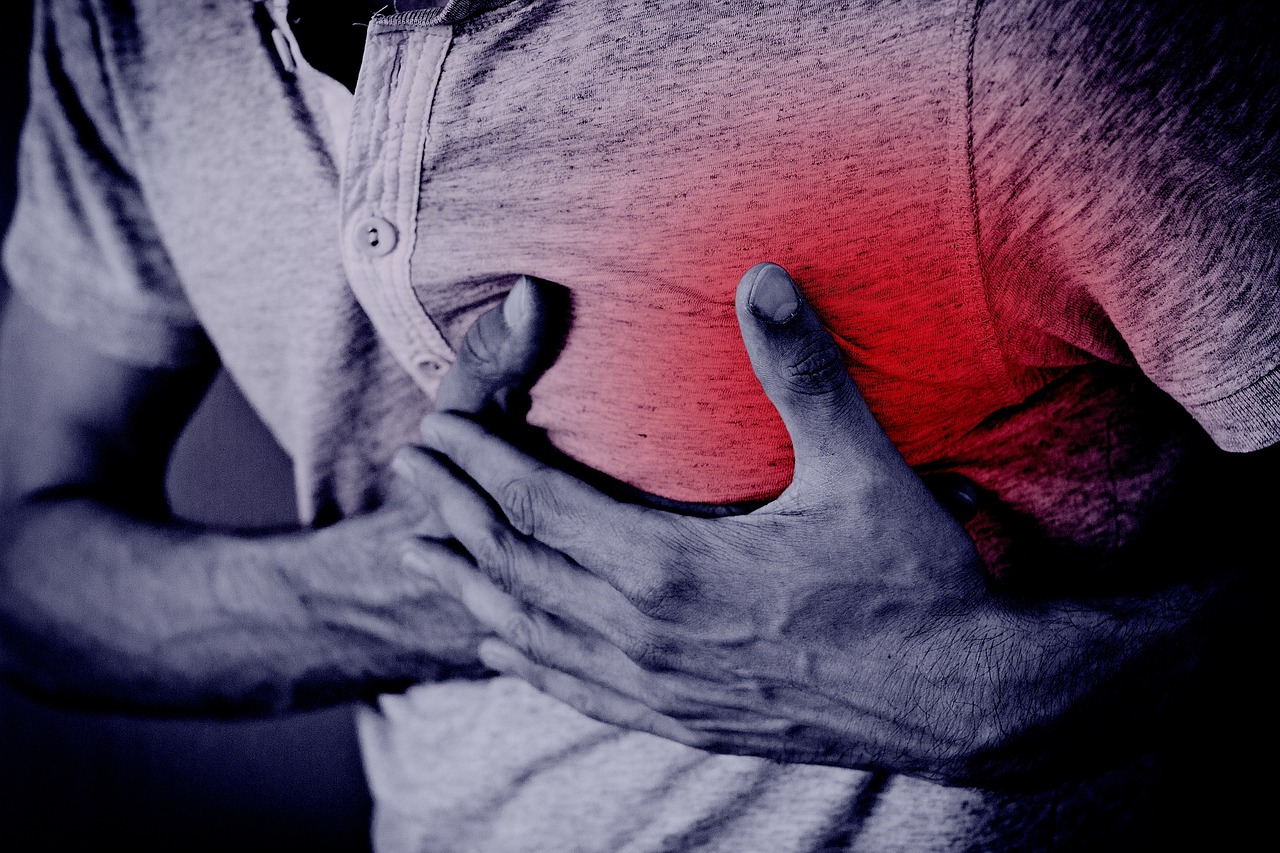
Synopsis: A study of 2,214 autopsies at AIIMS, New Delhi, shows heart disease as the leading cause of sudden death among Indians aged 18–45, accounting for nearly 43% of cases. Young men were disproportionately affected, with smoking and alcohol common risk factors, highlighting an urgent need for early screening and prevention.
25-year-old Gundla Rakesh dropped to the ground mid-swing while playing badminton. The incident took at the Nagole Stadium in Hyderabad. Players rushed to him, pressed on his chest, and tried to revive him.
They loaded him into a vehicle and sped to the hospital. Doctors declared him dead on arrival. CCTV footage showed it all happened around 8 PM on a July evening in 2024. Police reviewed the recording and confirmed what everyone feared: heart attack.
Rakesh worked at a private company. His father once served as deputy sarpanch in Khammam district. The young man joined a growing number of Indians who collapse without warning during exercise, at work, or at home. The pattern repeats across the country.
Heart disease now stands as the leading killer of young adults who die suddenly in India, according to research conducted at AIIMS, New Delhi. The findings emerge from 2,214 autopsies performed between May 2023 and April 2024, and men accounted for over four times as many sudden deaths as women among adults younger than 45.
The numbers tell a story. Researchers identified 180 sudden deaths during that year, accounting for 8.1 percent of all autopsies. Young adults between 18 and 45 years made up 57.2 percent of these cases. That translates to 103 people who died without warning in the prime of their lives.
Cardiovascular causes killed nearly 43 percent of young adults who died suddenly. Coronary artery disease alone accounted for 85 percent of all heart-related deaths in this group. The disease blocks arteries, starves heart muscle of oxygen, and triggers collapse.
“Cardiovascular-related causes, particularly atherosclerotic CAD with histopathological evidence of myocardial ischemia, emerged as the leading observation, affirming the growing burden of premature CAD in young individuals,” the authors wrote in the Indian Journal of Medical Research.
Respiratory problems ranked second, claiming 21.3 percent of young lives. Pneumonia, tuberculosis, and aspiration-related asphyxia filled this category. Another 21.3 percent of deaths remained unexplained even after researchers performed detailed autopsies and examined tissue under microscopes.
The research team employed a systematic approach. They conducted verbal autopsies with family members, performed whole-body CT scans, carried out conventional autopsies, examined tissue samples, and convened multidisciplinary reviews. They excluded deaths from trauma, suicide, homicide, poisoning, and drug abuse.
Young men died at rates that dwarfed women. The male-to-female ratio reached 4.5 to 1 among young adults. In the older group, spanning 46 to 65 years, men outnumbered women 16 to 1.
The fourth decade of life proved most dangerous. People in their 30s accounted for 46.8 percent of young sudden deaths. Those in their 20s made up 31.9 percent, while those in their early 40s contributed 17 percent.
Most deaths occurred at home or during travel. About 55 percent died at their residences, 30.2 percent collapsed while moving between places, and 14.8 percent fell at workplaces or public spaces. Nearly 40 percent of victims died at night or in early morning hours.
Family members who witnessed these deaths reported patterns. In 35.8 percent of cases, people lost consciousness without warning. Others complained of chest pain (20.4 percent), gastrointestinal symptoms like abdominal pain and vomiting (19.1 percent), shortness of breath (10.5 percent), uneasiness (8 percent), or fever (6.2 percent).
Smoking and alcohol consumption appeared frequently in case histories. Among young sudden death victims, 57.4 percent smoked, with 75.9 percent smoking regularly. Alcohol drinkers made up 52.1 percent of young cases, and 71.4 percent of those drank regularly.
The pattern persisted in older adults. Smokers constituted 66.2 percent of the older group, while 64.7 percent consumed alcohol. These habits crossed both age categories without preference.
Traditional risk factors like diabetes and hypertension appeared more often in older adults. Only 3.2 percent of young victims had diabetes, compared to 11.8 percent of older ones. Hypertension affected 5.3 percent of young cases but 19.1 percent of older cases.
Researchers found no link between sudden deaths and prior COVID-19 infection or vaccination. Four young victims and six older ones had documented COVID illness. Most had received COVID vaccines: 82.8 percent of young cases and 87.5 percent of older cases.
“The present study did not find any significant correlation between COVID-related history or vaccination status,” the authors stated.
The finding addresses concerns that circulated through public discussions about cardiac events in vaccinated populations.
When researchers examined hearts, they found patterns. The left anterior descending artery suffered blockages most often, followed by the right coronary artery. Critical narrowing of more than 70 percent closed vessels and caused death.
Tissue examination revealed the progression. In 47.1 percent of coronary disease cases, researchers found evidence of acute ischemic changes where heart muscle died from oxygen starvation. Chronic ischemic changes with replacement scar tissue appeared in 20.6 percent. Acute damage layered on top of chronic injury showed up in 26.5 percent.
The damage spread through heart muscle in patches, affecting large areas. The left ventricular free wall and apex took the brunt. Plaque erosion with blood clots, bleeding inside plaques, and plaque rupture accounted for a small fraction of cases at 5.9 percent.
Among young coronary disease victims who suffered heart attacks, 58.8 percent smoked regularly, 44.1 percent drank alcohol regularly, and 29.4 percent did both.
One in five young sudden deaths left investigators without explanations. Researchers examined every organ, studied tissue samples, and found nothing that could account for death. These negative autopsies occurred most often in people in their 30s and 40s.
Half of these unexplained cases showed non-specific findings on microscopy: heart muscle thickening, uncomplicated atherosclerotic plaques, tiny areas of ischemia. These changes existed but could not have caused death on their own.
“Though histopathology is still the gold standard, in the era of molecular diagnostics, it is imperative to understand the sudden deaths at the molecular level, especially in cases of negative autopsy,” the authors noted.
They pushed for genetic testing in unexplained cases. Such testing could reveal inherited heart muscle diseases and rhythm disorders. It would enable screening of family members and preventive measures to reduce deaths in at-risk relatives.
Respiratory deaths revealed ongoing struggles with infectious disease. Miliary tuberculosis killed several young people, scattering necrotising granulomas through internal organs. Pulmonary tuberculosis destroyed lung tissue with active necrotising granulomas.
“Despite numerous advancements in diagnostics and therapeutics of tuberculosis, it still remains the common cause of mortality in developing countries, emphasising the persistent gap between disease control efforts and ground-level outcomes,” the researchers wrote.
Pneumonia ranged from severe multifocal bronchopneumonia to lobar pneumonia. All asphyxia-related deaths occurred in people who drank alcohol regularly.
In adults aged 46 to 65, coronary artery disease dominated even more thoroughly, causing 72.1 percent of sudden deaths. Unexplained deaths accounted for 14.1 percent, gastrointestinal causes 7.4 percent, and pulmonary causes 4.4 percent.
Liver failure from heavy drinking led gastrointestinal deaths, followed by necrotising pancreatitis and bleeding from esophageal varices. Severe pneumonia and disseminated tuberculosis killed through respiratory failure. One person died from bleeding inside the skull.
Most victims came from lower and middle classes. About 80.2 percent belonged to these economic strata according to the modified Kuppuswamy scale. They worked in skilled jobs (29.6 percent), unskilled labour (29.6 percent), semi-professional or professional roles (20.4 percent), or remained unemployed (20.4 percent).
According to research cited by the authors, more than 75 percent of India’s 9.5 million annual deaths occur at home. The majority lack clearly defined cause-and-effect findings.
“Individuals belonging to lower socioeconomic strata have been reported to have 30 to 80 percent greater risk of sudden death and are more likely to have CAD risk factors, in addition to psychosocial issues, poverty and addictions,” the authors explained.
The research team pushed for action. They called for targeted public health strategies, early cardiovascular screening, and systematic surveillance of sudden deaths. They emphasised that a large proportion of sudden deaths in young adults remain under-investigated in India due to limited autopsies and lack of organised monitoring systems.
“This is a worrying but unrecognised public health concern which can be prevented with proper incorporation of health education and screening programmes,” the authors stated.
They advocated for a comprehensive approach that combines verbal autopsy, post-mortem radiology, tissue examination, and genetic testing. Such integration would establish definitive causes of death in most cases.
“Incorporation of such investigative modalities into routine forensic and clinical workflows would not only enhance diagnostic accuracy but also contribute valuable data toward national mortality surveillance and the prevention of avoidable deaths,” they concluded.
The data from Kerala showed similar patterns, with coronary disease burdening younger populations. Researchers attributed this to changes in work-life balance, stress levels, and eating patterns.
Deaths occurred across all seasons with minimal variation. Summer months from May to July accounted for 20.9 percent of deaths, autumn from August to October 32.1 percent, winter from November to January 27.8 percent, and spring from February to April 19.1 percent. Thursday and Wednesday saw the highest number of deaths.
Most published studies on sudden death focus on cardiac causes and neglect non-cardiac reasons, the authors noted. This gap obscures the complete picture of sudden death and limits understanding of preventable causes.
The research highlights how young adults in India face a growing threat from heart disease that strikes without warning. Rakesh’s collapse on the badminton court mirrors hundreds of similar incidents where young people fall and never rise. The pattern demands attention, screening, and intervention before more lives end mid-swing.
(Edited by Amit Vasudev)


