

Published Oct 30, 2024 | 7:00 AM ⚊ Updated Oct 30, 2024 | 7:00 AM

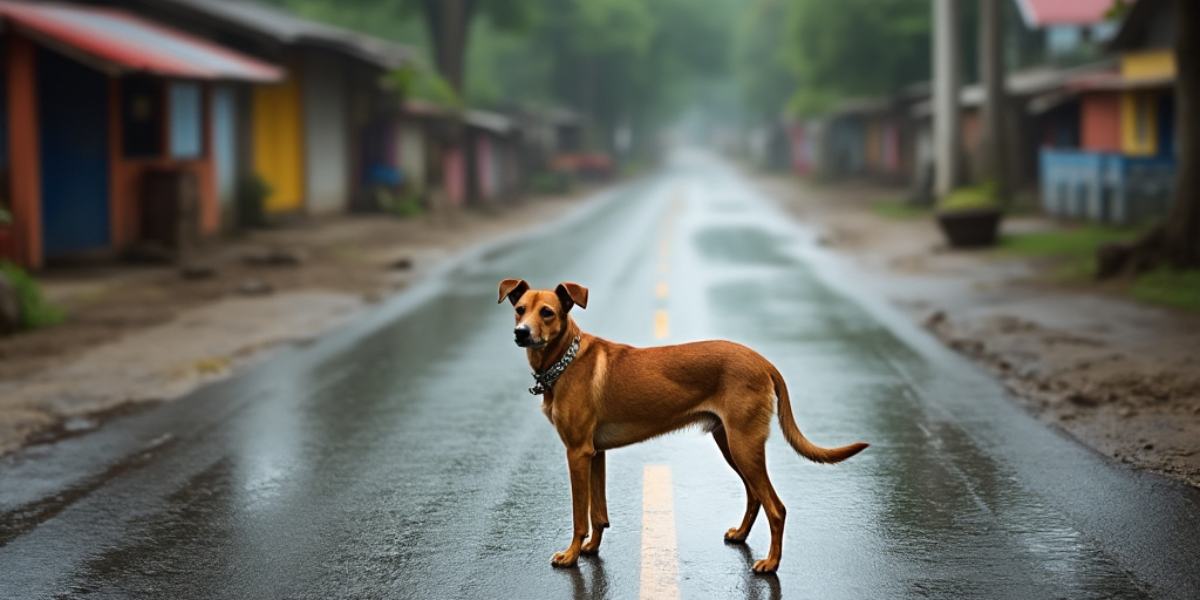
6 in every 1000 Indians suffer dog bites annually

The six-year-old boy’s parents — both migrant labourers from Bihar — had briefly stepped out of their dwelling when a pack of stray dogs surrounded the child on 28 June in Telangana. The little one did not stand a chance against the fierce canines.
Even as the boy’s bereaved parents were mourning his demise, Hyderabad resident Rajeshwari recalled her experience.
A few days before the boy was mauled to death, a pack of 15-20 dogs menacingly surrounded her when she was on her morning walk. Though she escaped with minor injuries. Rajeshwari was still to come out of the shock when the news of the boy’s death reached her.
These incidents reflect only the tip of a much larger issue. According to a study by the Indian Council of Medical Research (ICMR) published in The Lancet Infectious Diseases, approximately six in every 1,000 people in India experienced a dog bite each year.
“The weighted incidence, after adjusting for clustering, was 6.6 per 1,000 people for animal bites and 5.6 per 1,000 for dog bites annually,” the study stated.
The study highlighted that children (0–14 years) and seniors over 60 were particularly affected, with rural areas reporting a slightly higher dog-bite incidence (5.8 per 1,000) compared to urban areas (5.0 per 1,000).
Men were more likely to suffer bites than women. “Annual dog-bite incidence was 7.5 per 1,000 among children aged 0–14 years, 7.8 per 1,000 among people over 60, 7.6 per 1,000 among men, and 3.5 per 1,000 among women,” the study found.
The findings also revealed that of all documented dog bites, 39 percent involved pets, and 61 percent involved strays.
Only half of the households with pet dogs reported vaccinating their pets against rabies. Testing on suspected rabid dogs found that 74.8 percent were positive for rabies, emphasising the urgent need for broader animal vaccination efforts to prevent further rabies cases.
Despite increased awareness, only 66.2 percent of dog bite victims received the full three-dose course of the recommended anti-rabies vaccine (ARV).
Alarmingly, one in five victims (20.5 percent) received no vaccination, often due to a lack of awareness or reliance on traditional remedies like chilli powder or turmeric, which can delay proper medical treatment.
Among those bitten by dogs, 79.5 percent received at least one dose of ARV, 66.2 percent received three doses, and only 40.5 percent completed the entire prescribed course.
Of the 1,253 individuals who received at least one ARV dose, 49.1 percent (615 people) did not complete the full vaccination course. Of those who did receive the vaccine, 89.5 percent (1,121 people) obtained it from public health facilities, with 66.7 percent receiving it through intradermal shots.
“The most common reasons for not taking the vaccine among unvaccinated individuals were lack of awareness, no belief in vaccination, and, for a minority, opting for treatment from a traditional healer,” the study noted.
It emphasised that there was no structured system to remind victims about their vaccination schedules, suggesting that implementing SMS reminders, automated voice calls, or follow-ups by health workers could help reduce dropouts.
The study further highlighted that according to multivariable analysis, the likelihood of not receiving ARV was higher among dog bite victims in northern, northeastern, eastern, and western regions.
Other factors linked to non-receipt of ARV included bites that caused only minor abrasions, bites from pet dogs, and living in kuccha (temporary) houses.
Among households with pets or domestic animals, 18.6 percent reported owning a pet dog, of which only around half were vaccinated.
Of the 69 reported bites by suspected rabid dogs, 60.9 percent occurred on the legs, 27.5 percent on the arms, 8.7 percent on the torso, and 2.9 percent on the head or face.
The study estimated around 5,726 human rabies deaths annually in India — a considerable decrease from the nearly 20,000 deaths reported two decades ago.
Despite this progress, the mortality rate remained high, primarily due to underreporting, misdiagnoses, and cases where victims did not reach healthcare facilities.
The study highlighted that non-receipt of anti-rabies vaccine (ARV) was especially common in North and Northeast India, where limited healthcare access and socio-economic factors add significant barriers.
Only 11.2 percent of eligible bite victims in these regions received rabies immunoglobulin, an essential treatment for severe bites, underscoring a significant gap in rabies care.
Using a decision-tree model, the study estimated that the probability of death following a bite from a suspected rabid dog was around 2 percent. With India contributing to approximately one-third of global rabies cases, eliminating dog-mediated rabies has become a critical public health objective.
The study suggested that rabies deaths in India were likely underreported due to incomplete records from health institutions, deaths occurring outside hospital settings, patients not seeking admission, and frequent misdiagnosis.
“The under-reporting of rabies deaths could be caused by incomplete reporting from health institutions, deaths occurring outside hospital settings, patients not getting admitted to hospital, and misdiagnosis,” the study said.
“One major barrier to reporting human rabies cases is that victims either rarely get or do not get admitted to hospital. Additionally, the majority of human rabies cases are suspected based on clinical symptoms and laboratory confirmation is not routinely feasible in all suspected cases,” it explained.
Since human rabies has been a notifiable disease in India, the study emphasised the need for states to utilise this legal framework to ensure timely and accurate reporting of all suspected rabies cases, both within and outside of health facilities.
Animal rabies surveillance in India has currently been limited to sporadic reporting of suspected rabid animals by selected veterinary laboratories, with no integration between human and animal data.
“Human rabies is a notifiable disease in India, and states need to leverage such a legal framework to improve accurate and timely reporting of all suspected human rabies cases occurring within and outside health facilities,” the study recommended.
“Rabies surveillance in animals in India is limited to ad-hoc reporting of suspected rabid animals to selected veterinary laboratories, with no integration between human and animal surveillance systems,” it added.
(Edited by Ananya Rao)



