

Published Nov 15, 2026 | 3:00 PM ⚊ Updated Nov 15, 2026 | 3:00 PM

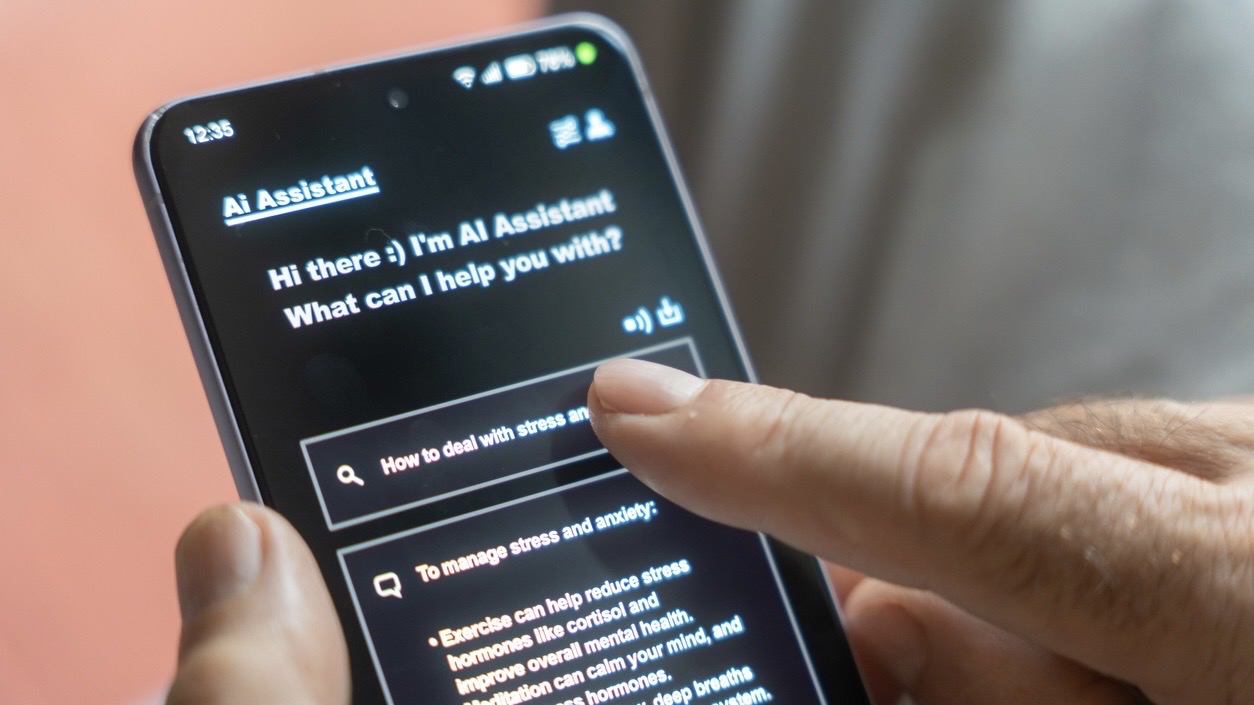
The report highlights a shift towards healthcare consumerisation.

Synopsis: A BCG global survey finds that 61 percent of Indians prefer instant AI or online health answers over waiting for doctors, while 60 percent trust digital health information as much as professional medical advice.
Six in 10 Indians prefer getting instant answers to their health-related questions through artificial intelligence (AI) tools or online platforms rather than waiting for a healthcare professional, highlighting the growing influence of digital technology on how people seek medical information, according to a new global survey by Boston Consulting Group (BCG).
The survey found that 61 percent of Indian respondents preferred instant AI or online answers over waiting for advice from a healthcare professional. Further, 60 percent said they trusted information obtained through AI and online sources as much as information provided by healthcare professionals.
Both figures were substantially higher than the respective global averages, with India recording a difference of 18 percentage points in preference for instant digital answers and 19 percentage points in trust in online health information.
The findings are part of BCG’s report, The Consumerization of Health Care: How Patients Are Reshaping the Industry, based on a survey of 9,914 consumers across 10 countries, including India, conducted during July and August 2026.
The report highlights a shift towards healthcare consumerisation, in which patients increasingly seek greater control over treatment decisions, access to information, convenience and healthcare expenditure
Also Read: Patients are bringing AI diagnoses to fertility clinics. Doctors say AI can explain, but not decide
India scored 66 out of 100 on BCG’s Healthcare Consumerization Index, ranking second among the 10 markets surveyed, behind China, which scored 72. The United Arab Emirates ranked third at 63, followed by Brazil at 62.
The index measures six dimensions of consumer attitudes towards healthcare, including expectations of convenience, control over treatment choices and costs, views on medicines as consumer products, and preferences for and trust in online health information.
Apart from the growing preference for digital health information, the survey found that 78 percent of Indian respondents wanted greater control over their treatment choices, while 73 percent wanted more control over healthcare costs and payments.
Around 68 percent expected healthcare providers to offer the same level of convenience as retail businesses, while 58 percent viewed medicines and other healthcare products as consumer goods.
BCG said the findings reflected a shift from traditional, provider-driven healthcare towards a model in which patients increasingly research treatment options, compare alternatives and participate in decisions about their care.
“Growing consumerization across the world means consumer-patients are reshaping the rules and increasingly expect more intuitive, responsive, convenient, and personalized health care experiences,” said Chris Meier, managing director and senior partner at BCG and a co-author of the report.
Also Read: Can a photo predict if a cancer patient is nearing death? It’s possible with AI, say researchers
The preference for instant digital health information was particularly pronounced among younger consumers across the surveyed markets. Millennials were the most likely to prefer an instant AI or online answer over waiting for a healthcare professional, at 52 percent, followed by Generation Z at 47 percent. Among baby boomers, the proportion was 25 percent.
The report also found that 53 percent of millennials and 52 percent of Generation Z respondents considered medicines, pharmaceuticals and other healthcare products comparable to everyday consumer goods.
However, BCG cautioned that increasing consumerisation of healthcare also presents challenges. Although digital platforms can improve access to information and allow patients to participate more actively in treatment decisions, they can expose users to misinformation and fragmented healthcare services.
Patients with limited digital access, confidence or health literacy may also be excluded from digital-first healthcare models.
“Products may blur the line between traditional health care and consumer categories like cosmetics, lifestyle, and fitness, but health care decisions are fundamentally different: more complex, with potentially serious consequences,” said Sabrina Kristic, managing director and senior partner at BCG and a co-author of the report.
The report said healthcare providers would need to balance greater patient choice, convenience and transparency with clinical quality, equity and patient outcomes.
(Edited by Dese Gowda)



