



A new ICMR-INDIAB study challenges the assumption that replacing white rice with milled whole wheat or millet flour reduces the risk of diabetes or obesity.

Published Jan 20, 2026 | 7:00 AM ⚊ Updated Jan 20, 2026 | 7:00 AM

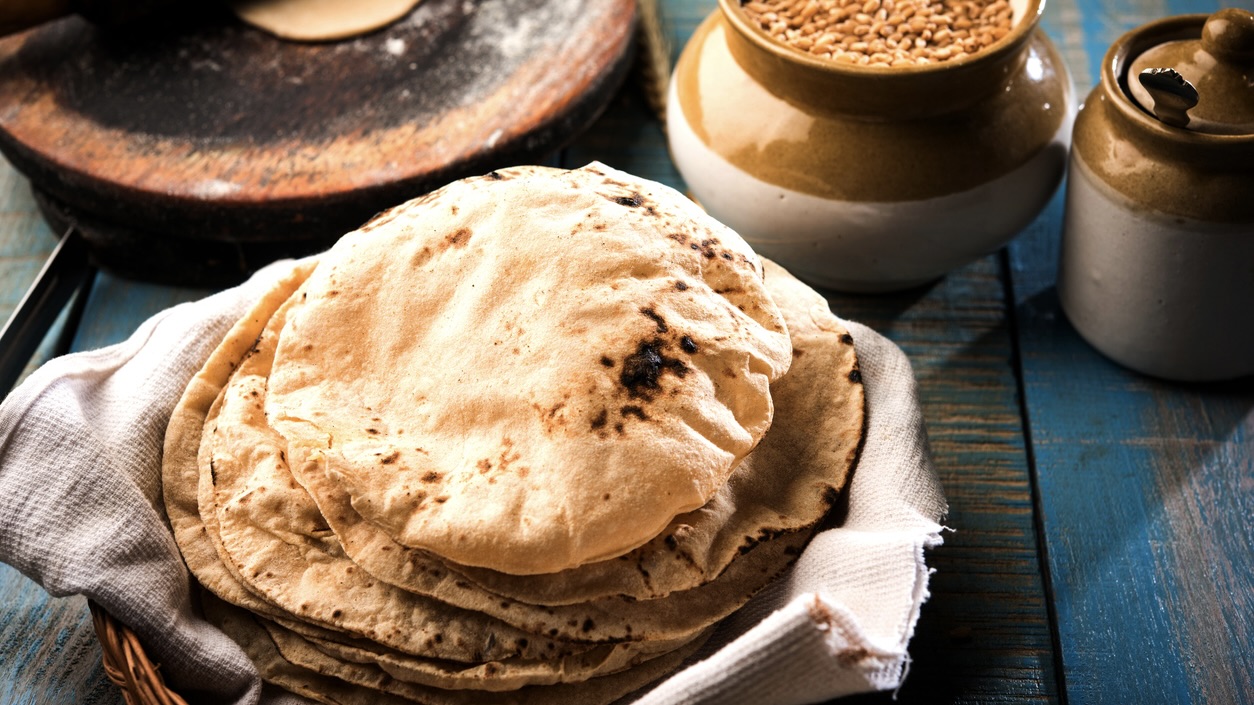
Diets in the South, East and Northeast are dominated by white rice, while North and Central India favour whole wheat flour.
Synopsis: An ICMR-INDIAB study of more than 18,000 adults has found that Indians get over 62 percent of their daily energy from carbohydrates, mainly white rice, milled grains and added sugar, contributing to a high risk of obesity, diabetes and prediabetes amid declining physical activity. The study also found that switching from white rice to milled whole wheat offers little benefit, and that protein intake remains low.
Carbohydrates contribute 62.3 percent of total daily energy intake for the average Indian, far above recommended level when these calories come from low-quality sources. The main contributors are white rice, milled whole grains and added sugar, an ICMR-INDIAB study analysing the diets of more than 18,000 adults has found.
The study also found that individuals with the highest carbohydrate intake had a 30 percent higher risk of newly diagnosed type 2 diabetes, a 20 percent higher risk of prediabetes, and a 22 percent higher risk of generalised obesity compared to those with the lowest intake.
The findings, published in Nature Medicine in September 2025, show that Indian diets are dominated by refined carbohydrates, along with high saturated fat intake and very low protein consumption. These dietary patterns are driving India’s growing burden of metabolic diseases.
“Our diet is largely carbohydrate-based, a pattern that the ICMR has also highlighted. Traditionally, our ancestors also ate carbohydrate-rich foods. Even today, farmers consume large quantities of rice. The key difference is that they also perform intense physical labour,” said Dr Vidya Tickoo, consultant endocrinologist and diabetologist at Yashoda Hospitals, Hyderabad.
“We continue to eat the same amount of rice, but our physical activity levels are not even one-tenth of what our ancestors or farmers today do. As a result, carbohydrate intake exceeds our actual energy needs.”
Notably, the study also challenges the assumption that replacing white rice with milled whole wheat or millet flour reduces the risk of diabetes or obesity.
Diets in the South, East and Northeast are dominated by white rice, accounting for 87 percent, 78 percent and 99 percent of consumption respectively, while North and Central India favour whole wheat flour at 90 percent and 70 percent.
However, this distinction matters less because the milling process reduces the grain size of whole wheat and raises its glycaemic index to the point where the glycaemic response becomes similar to that of refined wheat products and white rice.
White rice, maida-based foods, white bread, biscuits, cakes and bakery products cause rapid spikes in blood sugar. Repeated insulin surges promote fat storage, particularly around the abdomen.
Several randomised crossover trials examining whole grain processing, especially milling, found that finely milled whole wheat flour increased postprandial glycaemic response and led to weight gain.
Furthermore, total protein intake remains low across the country. Plant protein contributes 8.9 percent of total energy intake, dairy 2 percent, and animal protein just 1 percent. These levels fall well below requirements when compared with Western populations.
“Protein intake, on the other hand, is usually inadequate. Non-vegetarians who consume sufficient eggs or chicken may meet their daily protein requirements. However, among vegetarians, regular consumption of protein-rich foods such as paneer or soya is uncommon,” Dr Tickoo said.
“The recommended protein intake is around 0.8 to 1 gram per kilogram of body weight. Most people, especially vegetarians, struggle to meet even half of this requirement.”
The Northeast reported the highest total protein intake at 13.6 percent, while the North recorded the highest dairy protein consumption. Even these figures remain below optimal levels for preventing metabolic disease.
The ICMR-INDIAB study found that protein from pulses and legumes, but not cereals, was associated with a lower risk of type 2 diabetes.
Replacing rapidly digested carbohydrates with legume-based protein may improve glycaemic control, lower the overall glycaemic index of the diet, and help address widespread protein deficiencies.
Saturated fat intake exceeded national dietary recommendations in ten states when the less than 10 percent threshold was applied. When the metabolic risk threshold of less than 7 percent was used, all but four states exceeded recommended limits.
High use of ghee drives saturated fat intake in the North. In the South, subsidised palm oil and coconut oil push intake higher. Palmolein oil, because it is cheaper than other vegetable oils, is widely used in the food industry and in processed foods.
“Along with a carbohydrate-heavy diet, there is also excessive use of oil and ghee. The easy availability of restaurant food and app-based delivery services means people can order food without stepping out of their homes, and unhealthy food reaches their doorstep within minutes,” Dr Tickoo said.
“In my view, frequent ordering from outside contributes even more to obesity than carbohydrates alone. The way restaurant food is prepared involves large amounts of oil and unhealthy fats. Effortless access to calorie-dense food, without any physical activity, has become a major driver of obesity.”
India also accounts for 15 percent of global sugar consumption. The ICMR-INDIAB survey found that added sugar intake exceeded the recommended 5 percent of total energy in most states.
The survey’s definition of added sugars included only sugar added at the table, during cooking, and from products that list added sugar on their labels.
Actual intake is likely much higher, as many processed foods in the unregulated food sector, including fast-food outlets, street vendors, local bakeries, fruit juices and traditional Indian sweets, do not disclose added sugar content.
Despite Food Safety and Standards Authority of India regulations requiring added sugars to be listed on nutrition facts panels, enforcement remains weak in the unregulated sector.
Diet is the single most important factor in obesity, according to Dr Ravula Phani Krishna, senior consultant surgical gastroenterologist. He says the principle is straightforward.
“There is unnecessary confusion about what kind of diet reduces obesity. The principle is actually very simple. Avoid sugars, processed fats and processed carbohydrates. Increase fibre intake, consume moderate amounts of protein and reduce carbohydrates. Carbohydrates are not eliminated completely, but sugars and refined or processed carbs should be minimised,” he explained, speaking to South First.
“Beyond this, debates about which oil to use or minor dietary substitutions have a limited impact on obesity. These factors matter far less than overall calorie quality and composition.”
However, diet has clear limits in severe cases. Diets work best in people with moderate obesity, particularly early class I obesity, with a body mass index between 30 and 35, Dr Krishna said. Once BMI rises beyond this, diet alone is unlikely to deliver durable, long-term weight loss.
“In people with severe or morbid obesity, defined as a BMI above 32.5, dieting by itself does not lead to sustained weight loss,” Dr Krishna said.
“Dieting may lead to temporary changes. With any diet, whether keto, GM or another plan, people often lose five kilograms and regain three, or lose eight and gain nine. These fluctuations do not translate into long-term success.”
The ICMR-INDIAB study modelled isocaloric substitution to identify optimal macronutrient replacements.
Replacing just 5 percent of carbohydrate calories with an equal amount of plant, dairy, egg or fish protein was linked to a lower likelihood of type 2 diabetes and prediabetes.
This finding differs from Western studies, where animal protein has been associated with higher diabetes risk. The difference likely reflects the dominance of plant protein in Indian diets and the very low baseline protein intake.
Low yoghurt intake alone accounts for 13 percent of South Asia’s type 2 diabetes burden, according to the Global Burden of Disease Study. The International Lipid Expert Panel recommends increasing protein intake from poultry and fish to reduce cardiometabolic risk. Another multi-country study found benefits from consuming two servings of fish per week, about 175 grams, among individuals with cardiometabolic risk.
Notably, red meat was not associated with the likelihood of type 2 diabetes or prediabetes in the Indian context, possibly due to low consumption levels.
The ICMR-INDIAB researchers point to the need for a multisectoral response involving healthcare, agriculture and policy reform.
They note that widespread reliance on subsidised rice and wheat is likely contributing to high cereal intake. The Public Distribution System, the study says, could prioritise pulses and legumes over refined cereals. Extending minimum support prices to pulses, legumes and dairy may help improve both the quality and quantity of protein consumed.
The study also finds that existing tax rates on carbonated drinks have not reduced consumption, indicating that other approaches may be needed to curb added sugar intake.
It suggests that policy measures could shift towards providing healthier cooking oils through the public distribution system, alongside greater consumer awareness to support healthier choices.
The researchers also highlight the need for clearer public health messaging, including practical steps such as gradually increasing the share of pulses, legumes and dairy in daily diets to achieve a healthier macronutrient balance for disease prevention.
The study projects that by 2060, the economic cost of overweight and obesity in India could reach $839 billion, or about 2.47 percent of gross domestic product. Non-communicable diseases currently account for 68 percent of all deaths in the country.
(Edited by Dese Gowda)


