

Published Mar 30, 2026 | 7:56 AM ⚊ Updated Mar 30, 2026 | 7:56 AM

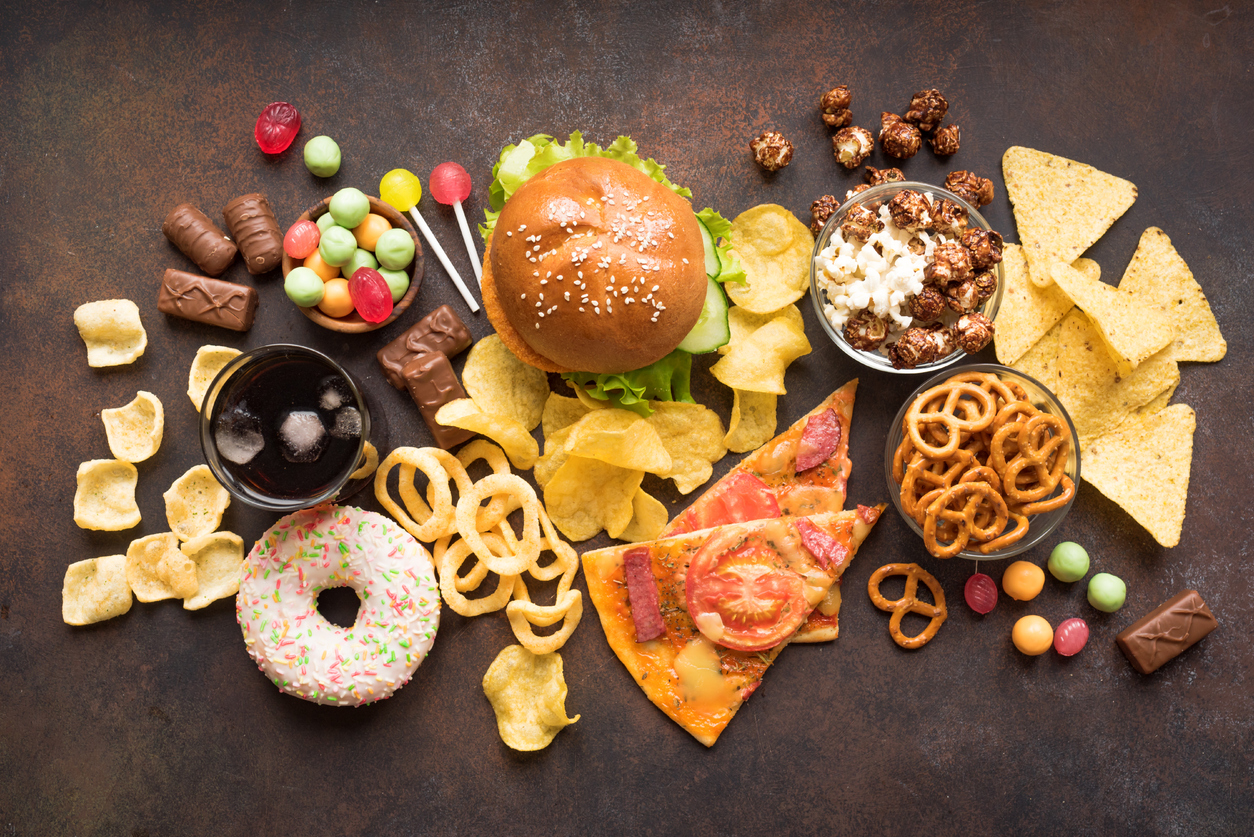
Ultra-processed food may be affecting the ability to conceive and the earliest stages of life.
Synopsis: Men with higher UPF intake were less likely to conceive within a month and more likely to experience subfertility, defined as taking more than a year to conceive or requiring assisted reproductive technology.
Priya and Arjun* live in a two-bedroom apartment in Bengaluru’s Whitefield. Both work in tech, both work late, and like many urban couples, their kitchen is more symbolic than functional. Dinner arrives through an app. Breakfast comes from a plastic packet. Lunch is reheated, processed, and convenient.
They have been trying to conceive for eight months.
What no doctor has asked them so far is simple: what do you eat?
That silence is no longer tenable. A new study published in Human Reproduction suggests that what fills modern plates, increasingly dominated by ultra-processed food, may be shaping not just long-term health, but the ability to conceive and the earliest stages of life itself.
The transformation has been gradual enough to go unnoticed. Over the past two decades, India’s food basket has shifted away from staples toward packaged and processed foods.
Data from the Household Consumption Expenditure Survey (2023–24) (HCES) shows that beverages, refreshments, and processed food now account for the largest share of food spending in both urban and rural India. In cities, this category takes over 11% of total monthly expenditure, nearly double its share in 1999.
The shift is not merely statistical. It reflects a deeper restructuring of daily life. Traditional cooking has given way to convenience. The hostel canteen becomes the office cafeteria, then becomes app-based delivery.
“Even government data reflects this shift,” Dr Krishna Chaitanya Mantravadi, clinical embryologist at Oasis Fertility, Hyderabad, told South First. “People are now spending more on packaged and processed food than on traditional staples. That itself is a clear indicator of how food habits have changed.”
What this shift means for metabolic health is already well documented. What it means for fertility is only now becoming clearer.
The Rotterdam study tracked 831 women and 651 male partners from before conception through early pregnancy. Researchers used detailed food frequency questionnaires covering more than 200 items, classifying diets through the NOVA system to identify ultra-processed food intake.
On average, ultra-processed foods made up about 22% of women’s diets and 25% of men’s.
The researchers then tracked two outcomes. First, how long it took couples to conceive. Second, how embryos develop in the first trimester, measured through ultrasound markers such as crown-rump length and yolk sac volume at seven, nine, and eleven weeks of pregnancy.
What emerged was a split pattern. The same diet affected men and women differently.
In men, the findings were direct. Higher consumption of ultra-processed foods was associated with reduced fertility.
Men with higher UPF intake were less likely to conceive within a month and more likely to experience subfertility, defined as taking more than a year to conceive or requiring assisted reproductive technology.
The effect was not marginal. For each increase in ultra-processed food intake, the probability of conception dropped, while the risk of subfertility rose significantly. Men in the highest consumption group had markedly higher odds of delayed conception.
Crucially, these associations held even after adjusting for lifestyle and demographic factors, including the female partner’s diet. In other words, the man’s diet independently influenced the outcome.
Researchers also emphasised that the effect appeared even at relatively modest levels of ultra-processed food consumption, suggesting that small dietary changes could have a meaningful impact.
Clinicians said this aligns with what they are seeing in practice.
“I see many young men in their twenties with no obvious abnormalities in basic tests, yet they are unable to conceive,” Dr Mantravadi said. “In many such cases, lifestyle-driven oxidative stress could be a contributing factor.”
The biological pathways are plausible. Sperm production is highly sensitive to nutrition and oxidative stress. Diets high in processed food often lack essential micronutrients while increasing exposure to additives and chemicals.
Packaging adds another layer. Ultra-processed foods are frequently stored in materials that can leach endocrine-disrupting chemicals such as phthalates and bisphenols, potentially interfering with hormonal balance.
Add to this disrupted sleep, sedentary lifestyles, and chronic stress, and the cumulative effect becomes harder to ignore.
For women, the story diverges.
Ultra-processed food intake did not show a consistent relationship with fertility itself. Women consuming more UPFs were not significantly less likely to conceive.
But once conception occurred, differences appeared almost immediately.
At seven weeks of pregnancy, the embryos of women with higher ultra-processed food intake were smaller on average. Yolk sac volumes were also reduced, indicating potential disruption in early nutrient support.
These changes were most evident in the earliest stage of pregnancy and appeared to weaken later, possibly as the placenta takes over.
The timing is critical. Seven weeks is often before the first antenatal visit. The impact of diet, in other words, may already be underway before medical care begins.
The yolk sac is rarely discussed outside clinical settings, yet it plays a central role in early development. Before the placenta is fully established, it supplies nutrients, supports blood formation, and sustains embryonic growth.
The study suggested that this structure is sensitive to maternal diet. Reduced yolk sac volume may reflect impaired nutrient availability or altered metabolic conditions in early pregnancy.
Researchers proposed two main mechanisms. The first is nutritional deficiency, where ultra-processed diets fail to provide adequate vitamins and minerals. The second is oxidative stress, which can disrupt cellular function and damage developing tissues.
For clinicians, the translation is straightforward.
“You may feel full, but you are not actually nourishing the body,” says Dr Mantravadi. “The reproductive system requires proper nutrition just like any other organ. When that is missing, it comes under stress.”
The Rotterdam cohort consumed relatively moderate levels of ultra-processed food compared to some high-income countries. Yet even within this range, measurable effects were observed.
Researchers warn that in populations with higher consumption, the impact could be more pronounced.
India’s consumption patterns are shifting rapidly in that direction. While precise NOVA-based estimates are unavailable, expenditure data show processed food steadily taking a larger share of the diet.
At the same time, fertility rates are declining across several regions. While multiple factors are at play, lifestyle and diet are increasingly part of the conversation.
Despite growing evidence, diet remains peripheral in fertility care. Preconception counselling is limited, and dietary discussions often begin only after pregnancy is confirmed.
Men are rarely included in these conversations.
The study’s authors called for a shift. Both partners, they argued, must be included in preconception care, with greater attention to diet quality. Even modest reductions in ultra-processed food intake could improve outcomes.
Policy interventions, including clearer labelling and regulation of ultra-processed foods, may also be necessary to address the issue at scale.
Priya and Arjun will visit a fertility specialist next month. There will be tests, reports, and discussions about options.
The consultation will likely focus on hormones, cycles, and procedures.
What may not come up is the everyday reality of their diet, the packets, the containers, the convenience that has quietly replaced nourishment.
Yet the evidence now suggests that these choices are not incidental. They are biological.
*Not real names


