

Published Jan 20, 2026 | 6:06 AM ⚊ Updated Jan 20, 2026 | 6:06 AM

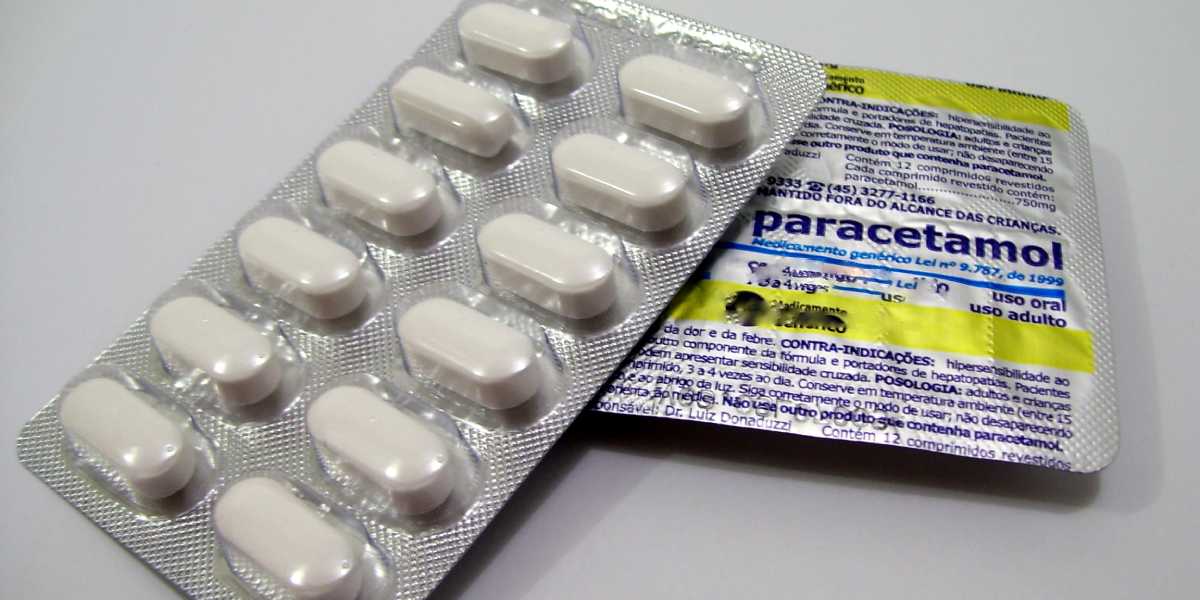
Paracetamol (Creative Commons)
Synopsis: A large review of 60 studies has found no evidence that using paracetamol during pregnancy increases the risk of autism, ADHD or intellectual disability. The findings come months after claims by US President Donald Trump and a proposed label update by the US FDA triggered global anxiety, despite experts and the WHO noting that earlier studies did not adequately control for genetics, maternal illness or the family environment.
In September 2025, United States President Donald Trump urged pregnant women to avoid using Tylenol, a common over-the-counter painkiller in which paracetamol is the primary ingredient, claiming it caused autism in children.
Though experts, including former World Health Organization chief scientist Dr Soumya Swaminathan, called it misleading, it nevertheless set off a wave of anxiety among expectant mothers worldwide.
Soon after, the US Food and Drug Administration (FDA) announced plans to update the safety label for acetaminophen, also known as paracetamol, to reflect studies suggesting a possible association between prenatal use and neurodevelopmental conditions, including autism and ADHD.
The agency said it “is taking action to make parents and doctors aware of a considerable body of evidence about potential risks associated with acetaminophen”.
But months later, a rigorous analysis of this considerable body of evidence found it to be fundamentally flawed, with no evidence to suggest paracetamol increases the risk of autism, ADHD or intellectual disability among children.
The systematic review of 43 studies and a meta-analysis of 17 others were conducted by researchers from City St George’s, University of London.
Their findings, published in The Lancet Obstetrics, Gynaecology and Women’s Health, identified a critical flaw: the studies failed to account for why mothers took paracetamol in the first place, or for the genetic and environmental factors shared within families.
“Our findings suggest that previously reported links are likely to be explained by genetic predisposition or other maternal factors such as fever or underlying pain, rather than a direct effect of the paracetamol itself,” Professor Khalil, the lead researcher, explained in a statement.
The researchers used sibling comparison studies, comparing pregnancies from the same mother where one pregnancy involved paracetamol exposure and another did not.
This design controls for shared genetics, family environment and long-term parental characteristics that traditional studies cannot fully account for.
Across sibling comparison studies, data included 262,852 children assessed for autism, 335,255 for ADHD and 406,681 for intellectual disability.
When compared with pregnancies with no exposure to paracetamol, the results were clear: taking paracetamol in pregnancy was not linked to childhood autism, ADHD or intellectual disability. The odds ratios were 0.98 for autism spectrum disorder, 0.95 for ADHD and 0.93 for intellectual disability, all indicating no association.
To understand these numbers, an odds ratio of 1.0 means no difference in risk between groups. Values close to 1.0, such as 0.98, 0.95 or 0.93, indicate virtually no effect.
For context, a meaningful increase in risk typically starts around 1.2, or a 20 percent increase, while a substantial risk would be 2.0 or above, or double the risk. These values are so close to 1.0 that they confirm no meaningful link exists.
This contrasts sharply with earlier meta-analyses that suggested a 19 percent increased risk for autism, with an odds ratio of 1.19, and a 34 percent increased risk for ADHD, with an odds ratio of 1.34, figures that appeared concerning at the time. The difference lies entirely in research methodology.
The study noted that earlier analyses suggested an increased likelihood of autism spectrum disorder and ADHD, “but these were characterised by high heterogeneity and by reliance on conventional observational designs susceptible to residual confounding”.
By contrast, when proper controls were applied through sibling comparisons, “these associations did not hold or were reversed” and “were further attenuated by probabilistic bias modelling”.
Claims that vaccines and drugs cause autism and other developmental disorders are not new.
The World Health Organisation has dealt with similar claims about vaccines and autism for decades. It has emphasised that there is robust, high-quality evidence showing no link between childhood vaccines and autism.
“A robust, extensive evidence base exists showing childhood vaccines do not cause autism,” the WHO stated, stressing that the original studies suggesting otherwise were flawed and have been discredited.
Since 1999, independent experts advising the WHO have consistently confirmed that vaccines, including those containing thiomersal or aluminium, are not associated with autism or other developmental disorders.
In both cases, vaccines and paracetamol, early studies suggesting links were methodologically flawed, yet created widespread public alarm before more rigorous research set the record straight.
The FDA itself acknowledged this uncertainty in its September announcement, clarifying that “while an association between acetaminophen and neurological conditions has been described in many studies, a causal relationship has not been established”.
Yet the impact of such announcements can be substantial.
Paracetamol remains “the only over-the-counter drug approved for use to treat fevers during pregnancy,” the FDA noted, highlighting its relative safety compared with alternatives such as aspirin or ibuprofen, which carry well-documented foetal risks.
Avoiding paracetamol on the basis of inconclusive evidence exposes pregnant women and their babies to known risks. The Lancet study noted that untreated maternal fever has been linked to miscarriage, congenital anomalies, preterm birth and differences in neurodevelopment.
“Paracetamol remains a safe option during pregnancy when taken as directed,” Professor Khalil said.
“This is important, as paracetamol is the first-line medication we recommend for pregnant women who are in pain or have a fever, and they should feel reassured that they still have a safe option to relieve their symptoms.”
In countries such as India, there is another, more pressing concern about paracetamol: overuse.
The drug is extremely common in Indian households and is often used even for mild fever, Neuro and Spine Surgeon and Research Head Dr Akhil Raj at the Nonpareil Centre for Neuro and Psychosomatic Development in Bengaluru told South First.
Its easy availability and perceived safety contribute to widespread self-medication.
“Anybody with any pain, slight headache or small fever uses paracetamol just like chocolate,” Dr Raj said.
The issue is not that paracetamol is dangerous, but that it is often used when it is not needed. International guidelines recommend treating fever only when necessary, typically above 102°F (38.8°C), but in India, paracetamol is often given at 99 to 100°F.
“Fever is not just a symptom; it is your immune system reacting to incoming pathogens,” Dr Raj explained. Suppressing fever too early can impair the function of T and B cells, reducing a child’s ability to fight infections and develop acquired immunity.
Dr Raj stressed that parents should try non-medication approaches first, including adequate hydration, rest, lukewarm sponge baths and light clothing. “Paracetamol should not be used casually for mild discomfort; it should be reserved for medically indicated situations,” he added.
He supported the FDA’s label update as “a risk management strategy to make parents and doctors aware of potential risks”, but underlined the need for proper use: “Use the minimum effective dose for the shortest duration and avoid self-medication.”
(Edited by Dese Gowda)


