


Published Feb 14, 2026 | 11:42 PM ⚊ Updated Feb 14, 2026 | 11:42 PM

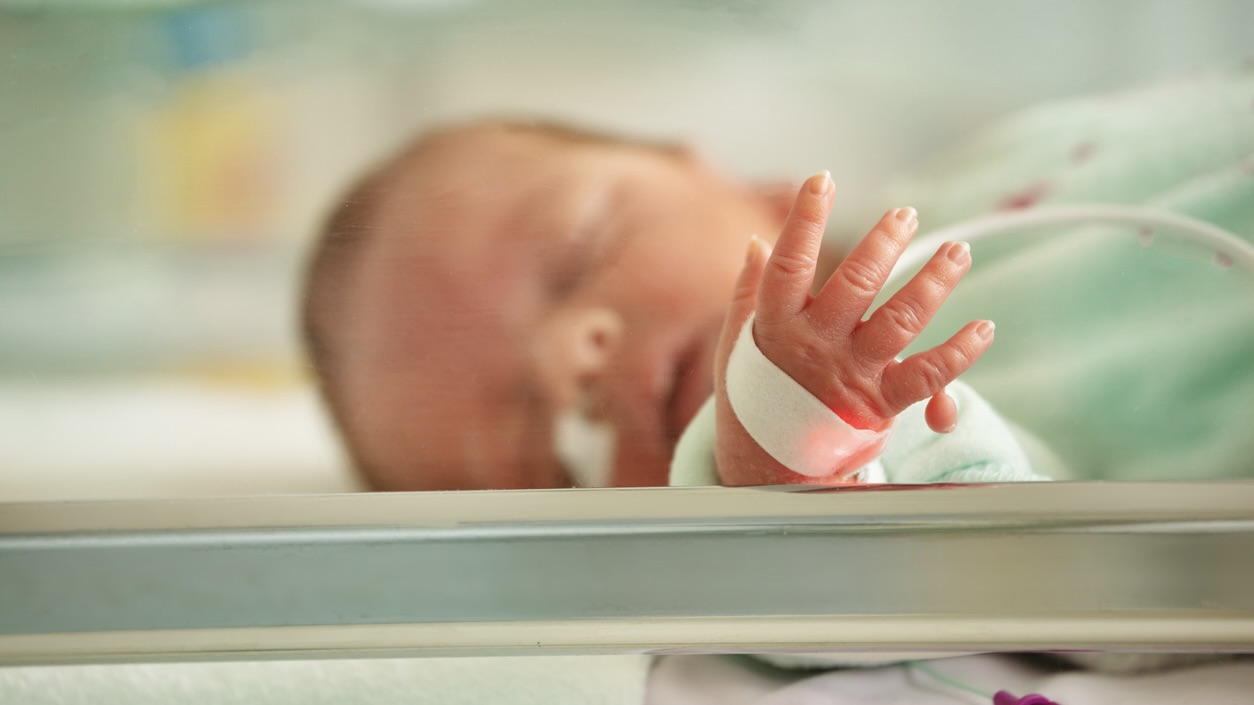
Tamil Nadu records nearly 4.5 lakh deliveries in government institutions annually, and about 42% of these babies are underweight.
Synopsis: Each kit contains iron drops (15 ml, 24 bottles per year), multivitamin drops (12 bottles per year), vitamin D3 drops (24 bottles per year), an infant supplementary medical card, a mother’s booklet on 12 signs of child development, and a storage basket.
Tamil Nadu has unveiled a major push to protect one of its most vulnerable groups — low birth-weight (LBW) babies, discharged from Specialised Newborn Care Units (SNCUs).
Recognising the challenges these infants face after leaving hospitals, the State Health Department has launched the “Pachchillam Kuzhandhai Paadhukaappu Pettagam” (Baby-Care Kit) to ensure they continue receiving critical nutritional and medical support during their first year.
Every year, nearly 4.5 lakh deliveries take place in government institutions across Tamil Nadu, and about 42% of these babies weigh less than 2.5 kg at birth.
A press release noted that around 1.2 lakh LBW newborns are treated and discharged from 92 SNCUs annually.
These babies are at greater risk of infections, poor weight gain, micronutrient deficiencies and developmental delays. While early follow-up visits are promising, attendance drops in later months because of limited awareness and access challenges.
The government emphasised that the initiative is “not merely about providing supplements — it is about ensuring that our most vulnerable newborns receive the care, protection and nutritional support necessary to survive and thrive.”
Low birth-weight babies require sustained nutritional supplementation for proper growth.
As per the National Neonatal Forum and the American Academy of Pediatrics, they need “Iron drops – at a prophylactic dosage of 2mg/kg/day, multivitamin drops – 0.5ml/day and vitamin D3 drops – 400 IU/day.”
Accordingly, each kit contains iron drops (15 ml, 24 bottles per year), multivitamin drops (12 bottles per year), vitamin D3 drops (24 bottles per year), an infant supplementary medical card, a mother’s booklet on 12 signs of child development, and a storage basket.
The aim is to reduce infant mortality and improve nutritional outcomes through systematic supplementation up to 12 months of age.
The release further stated that the initiative seeks to increase follow-up rates “from the current ~30% to a targeted 90%,” while strengthening growth monitoring, immunisation support and early detection of malnutrition.
The kits will be procured centrally through Tamil Nadu Medical Services Corporation and supplied to SNCUs across the State. After discharge, medicines will be replenished during monthly follow-up visits at Well Baby Clinics.
Community linkage will be strengthened through the Home-Based Care for Young Child (HBYC ) programme and Pregnant and Infant Cohort Monitoring and Evaluation (PICME) portals, with Anganwadi workers playing a key role in mobilising families.
Dr Chandra Kumar N, Senior Consultant & Head of the Department of Paediatrics and Neonatology, MGM Healthcare, Chennai, described the move as timely and practical.
“It’s a great initiative because the kit has the usual supplements given for low birth-weight infants when they get discharged from the hospital,” he told South First.
He highlighted the importance of tracking. “It includes a follow-up book where visits are recorded, helping mothers keep track and attend regularly,” he said. “Monitoring these infants until one or two years is crucial to detect developmental delays early and intervene in time.”
Dr Harish K, Consultant – Paediatrics & Neonatology, SRM Prime Hospital, pointed out the ground realities. “Almost 40–50% of deliveries happen in the government setup only,” he told South First, noting that while care is improving, gaps remain.
He pointed out that affordability remains a concern, and awareness about newborn care is still inadequate, even in cities and metropolitan areas. While services are available in government facilities, he noted that public understanding remains “extremely poor.”
In that context, he said, “This government scheme will greatly help. Vitamin D, iron and multivitamin drops are essential for all. Providing these supplements to babies will be very beneficial.”
Alongside the kit, the Health Department has strengthened maternal and child monitoring through the THAIMAI mobile application, an extension of PICME 3.0.
Described as “a life-saving monitoring and response mechanism,” PICME has evolved into a comprehensive digital platform tracking maternal and child health from pregnancy until 16 years of age.
The THAIMAI app enables real-time data entry by health nurses, tracks high-risk pregnancies, sends SMS reminders for check-ups and immunisations, and offers a “One-Touch Emergency System” connecting mothers to 108 ambulance services and the 104 helpline.
By combining nutritional support with digital monitoring, the State hopes to reduce Infant Mortality Rate and strengthen the continuum of care — ensuring that no low birth weight baby slips through the cracks.
(Edited by Majnu Babu).


